In recent years, slate tiles have become increasingly popular in interior design. Elegant, discreet and understated, they are known for adding a certain cachet to the spaces they adorn. Their unique properties make them an ideal covering for damp rooms such as kitchens and bathrooms. Are you thinking of using slate tiles in your bathroom? Here is everything you need to know.
💬
×
Novobot

Slate bathroom tiles
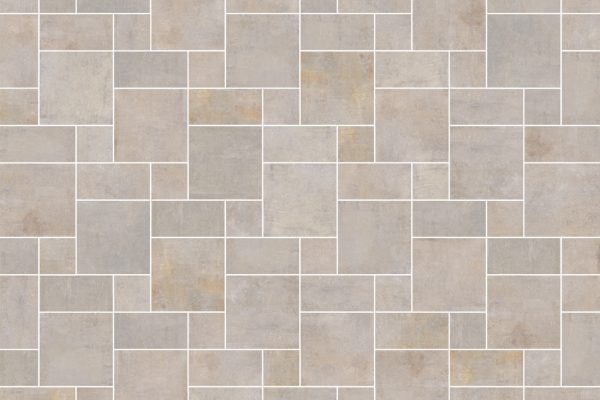
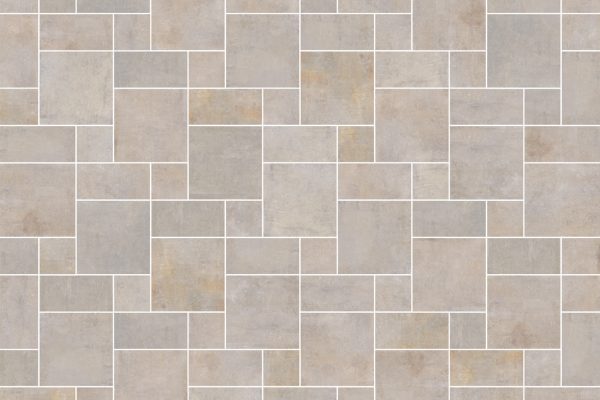
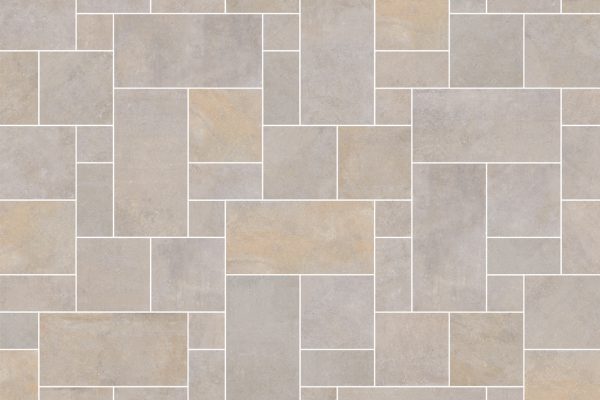
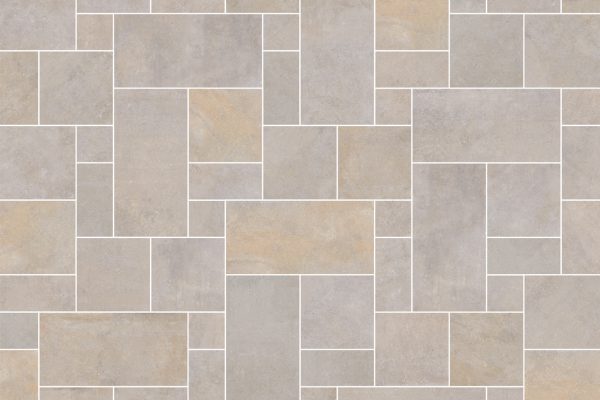
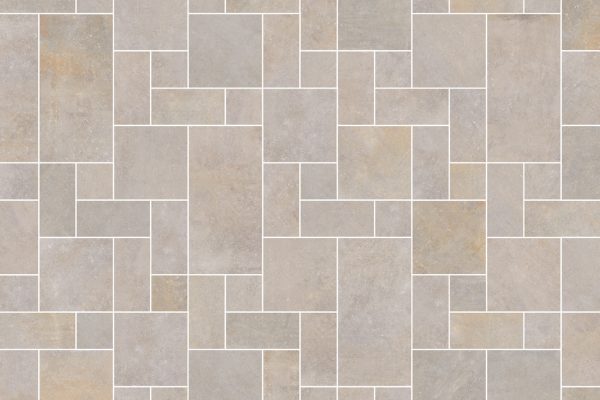
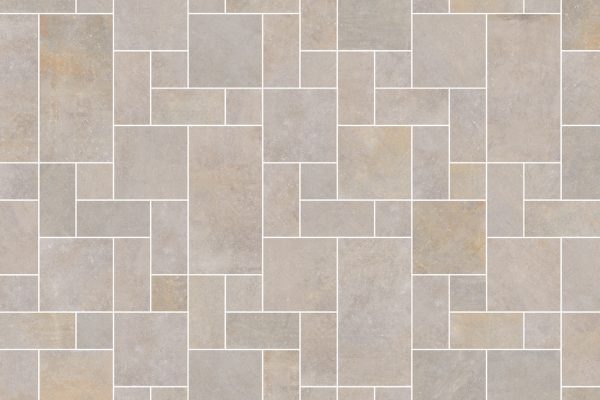
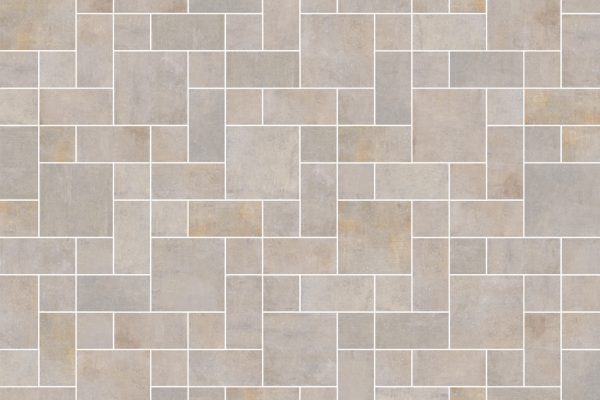
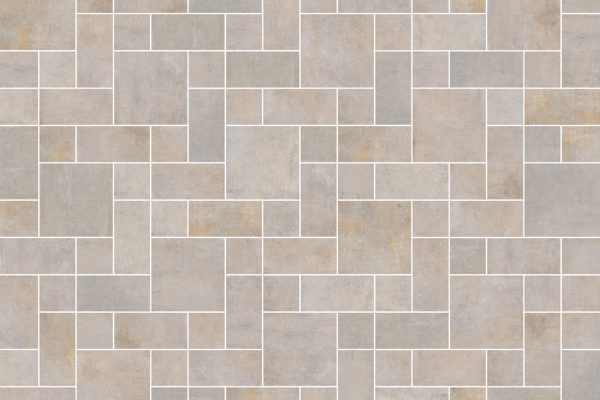
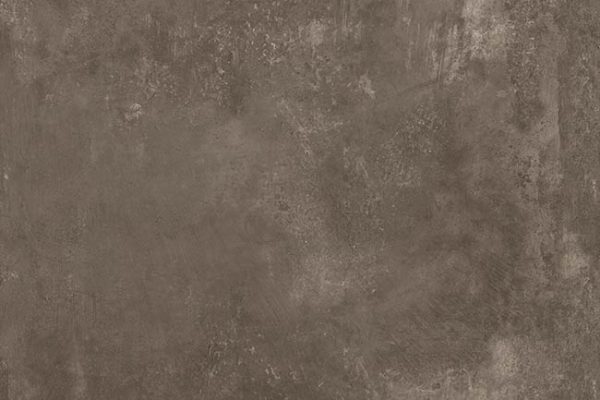
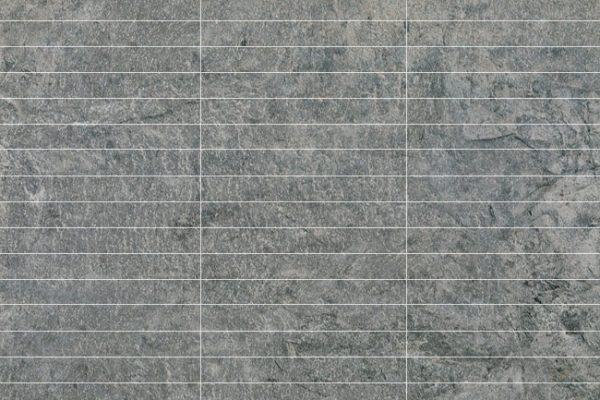
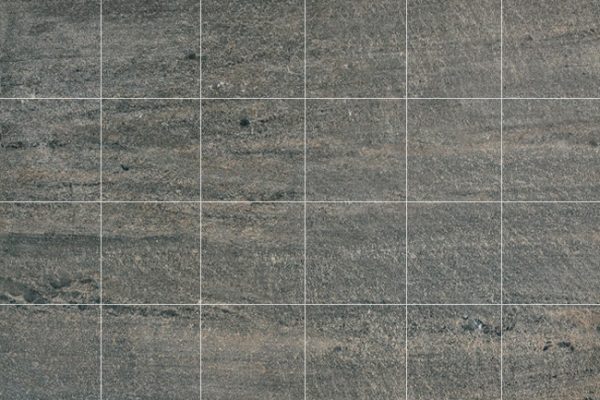
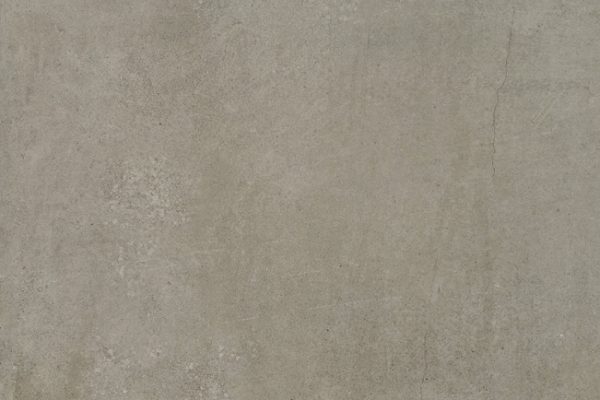
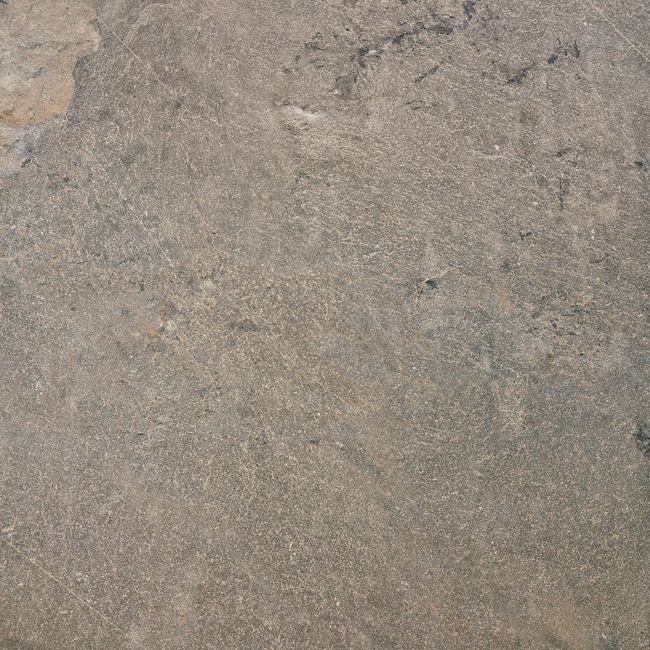
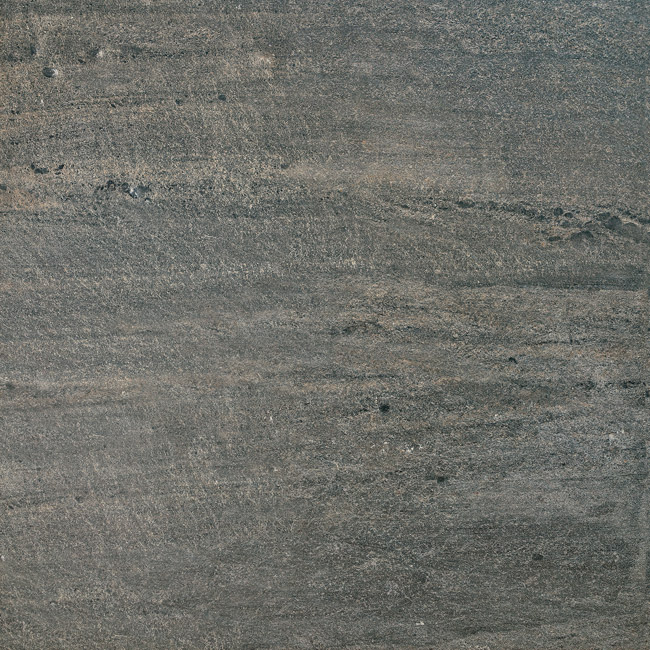
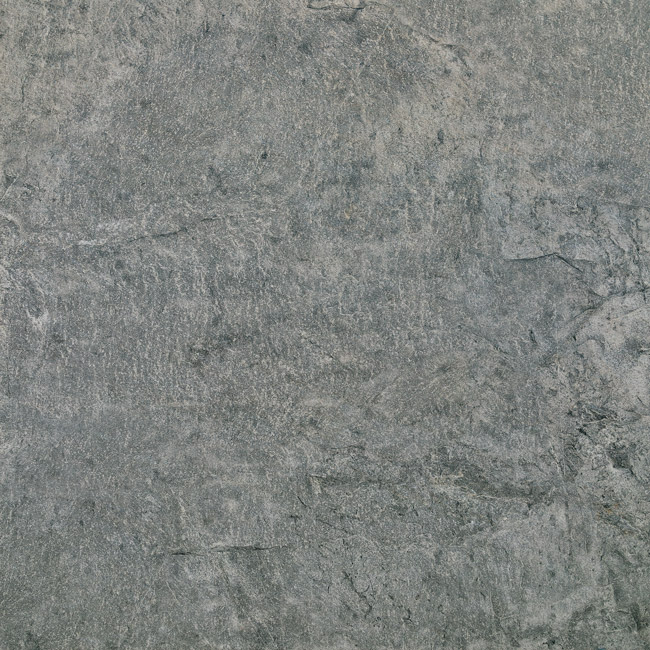
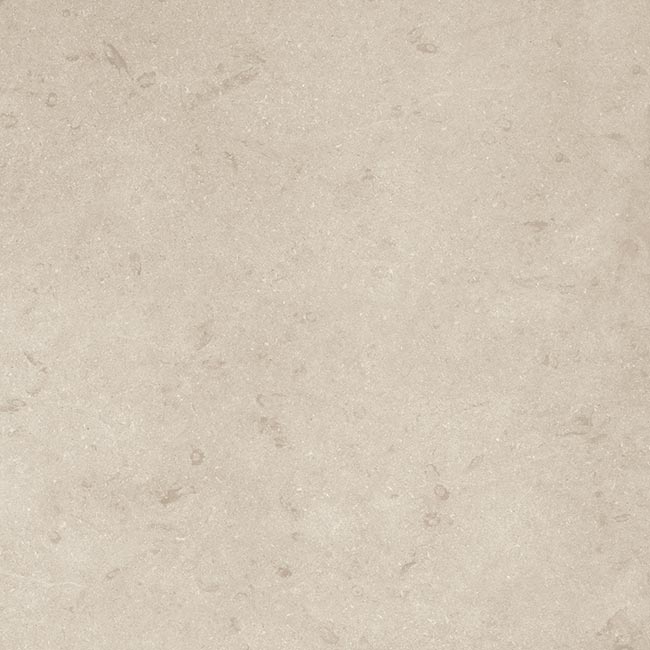
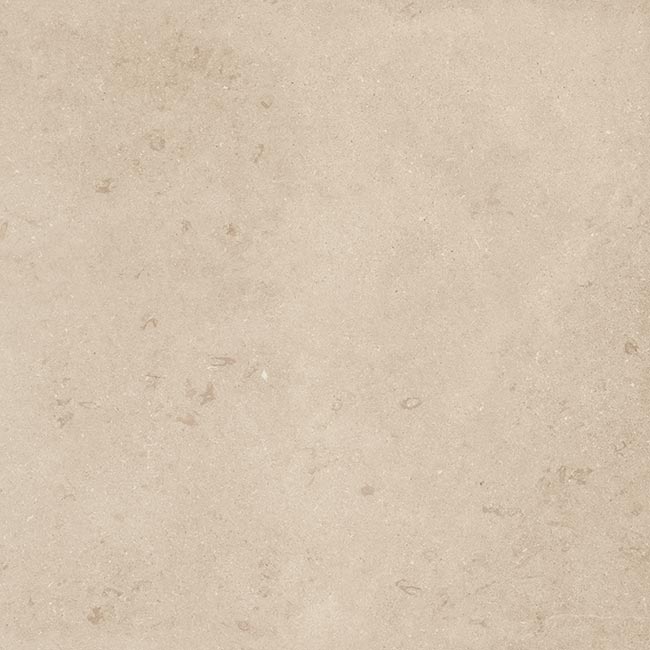
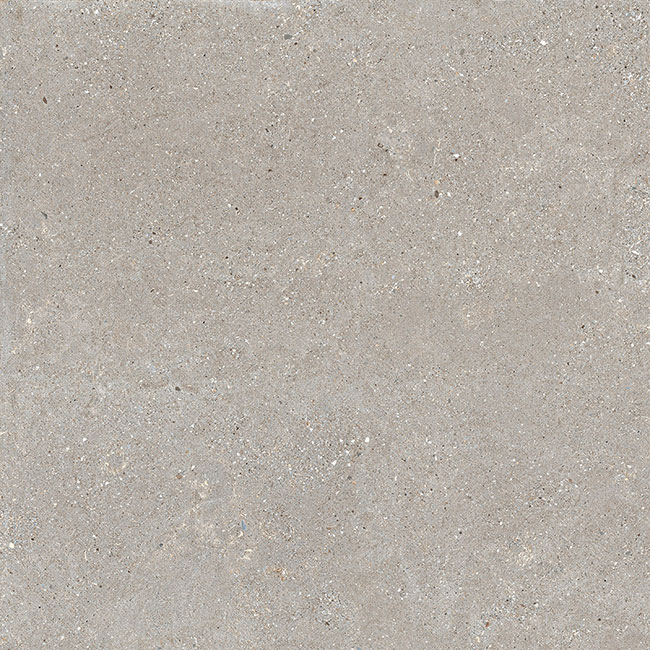
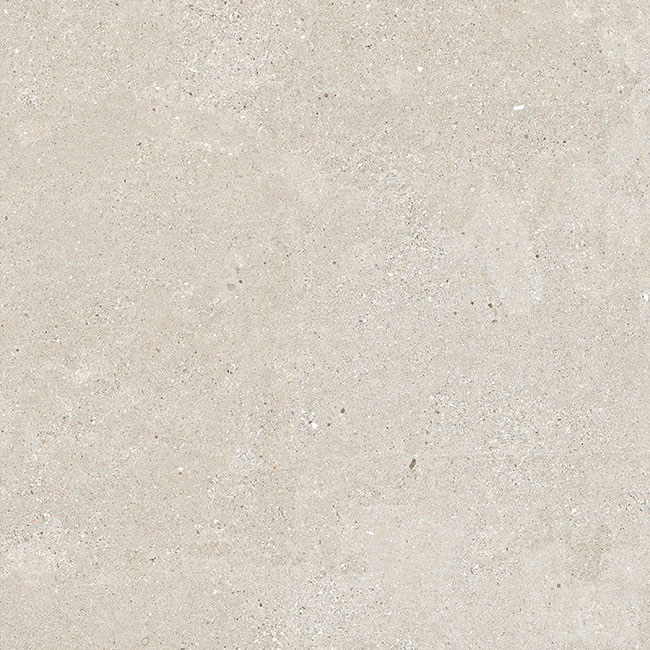
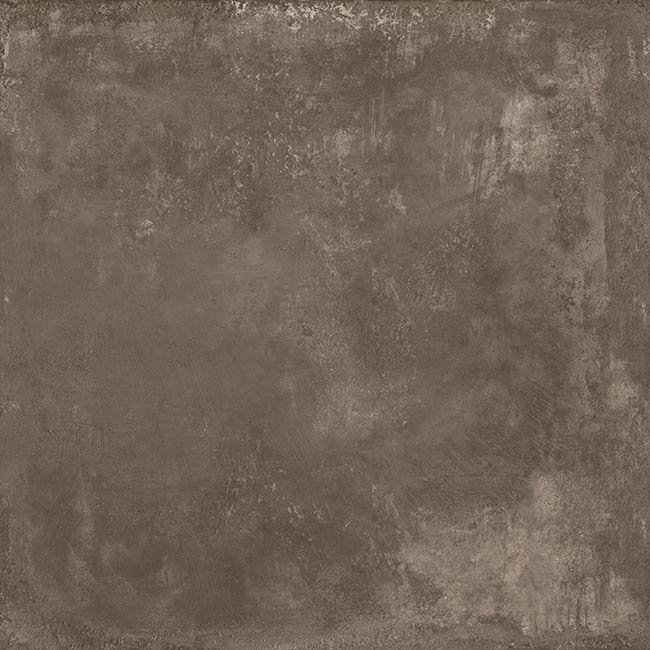
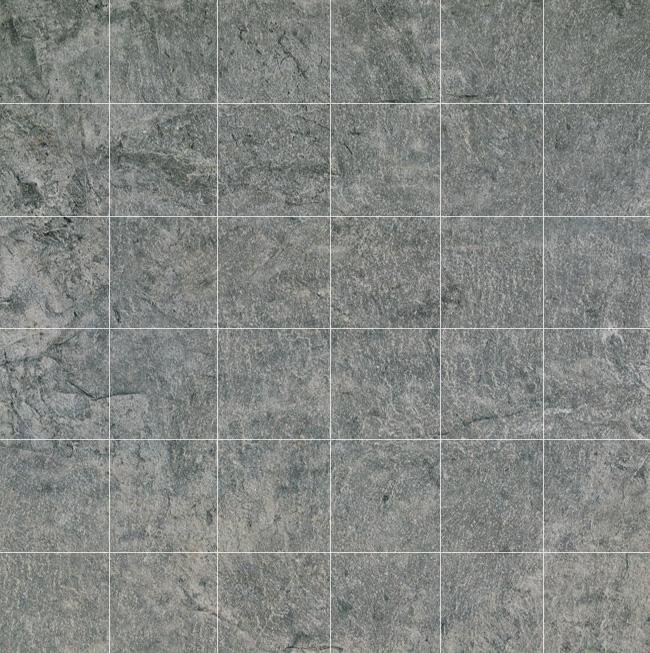
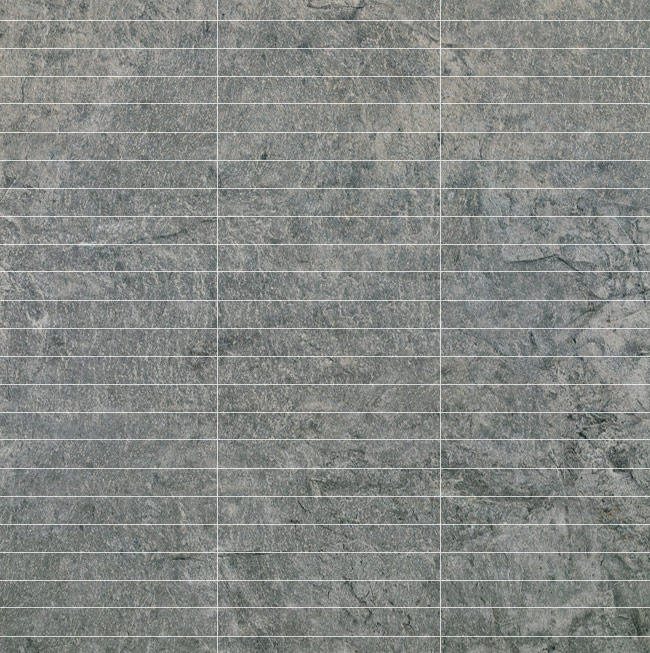
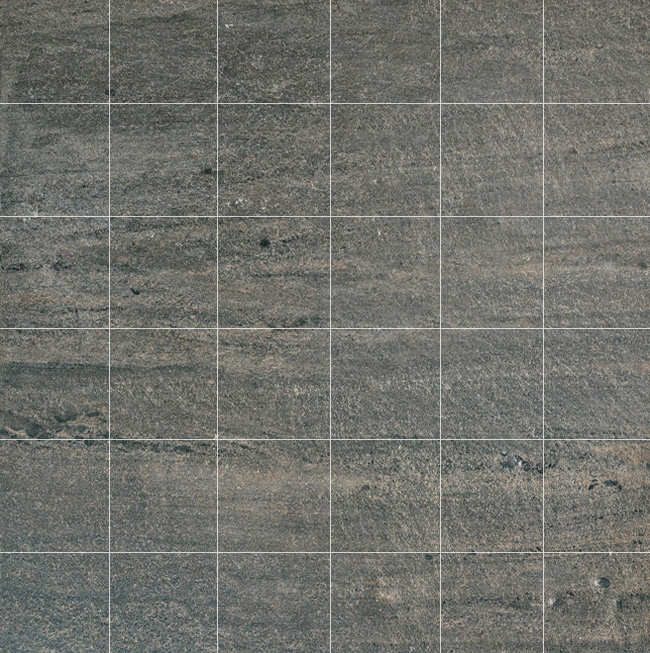
Our collections of slate-effect tiles for bathrooms
-
 Icone
IconeBleu Bord Vieilli
20x20 -
Icone
Bleu
80x8060x6030x60 -
Icone
Bleu Opus Avenio
Comp. Mod. -
Icone
Bleu Opus Brestia
Comp. Mod. -
Icone
Bleu Opus Carcaso
Comp. Mod. -
Icone
Bleu Opus Divio
Comp. Mod. -
Icone
Bleu Cabochons Insula
Comp. Mod. -
Icone
Bleu Bordures Castrum
Comp. Mod. -
Tiber
Light
120x12060x12080x8060x6030x6030x30 -
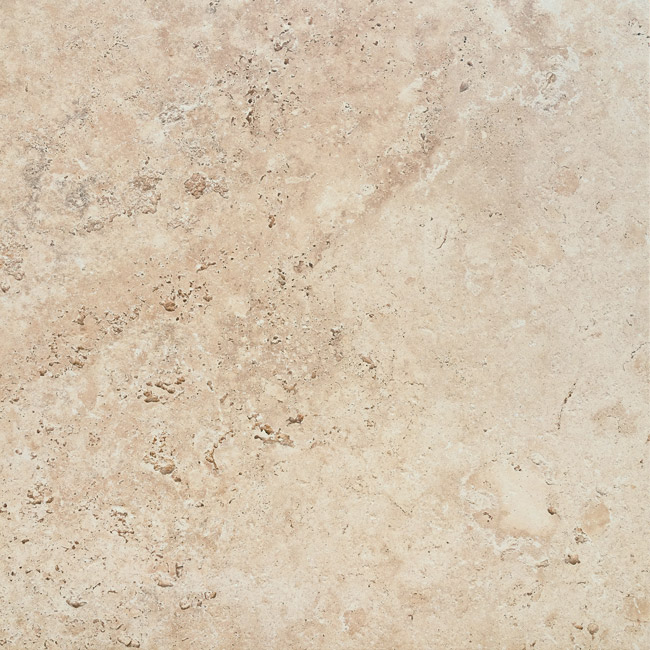 Tiber
TiberLight structured anti-slip
Outdoor Plus 20mm60x12060x9080x8060x6030x6030x30 -
Tiber
Natural
60x12080x8060x6030x6010x6030x30 -
Tiber
Natural structured anti-slip
Outdoor Plus 20mm60x12060x9080x8060x6030x6030x30 -
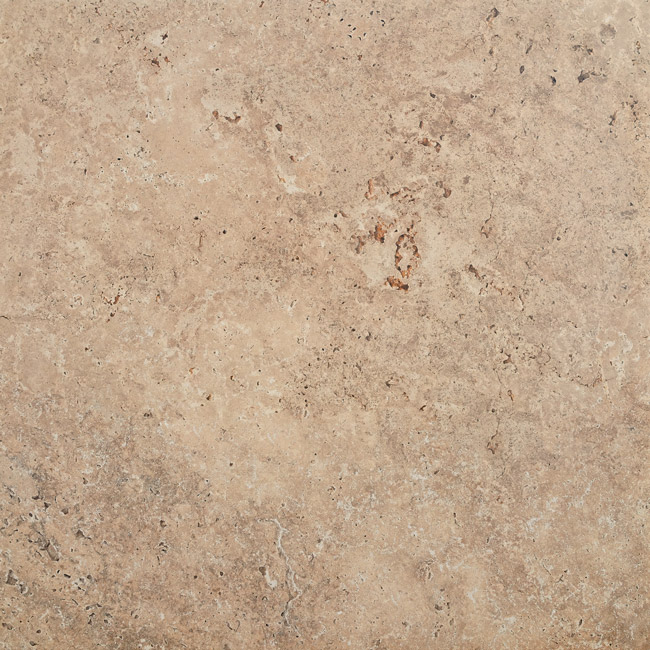 Tiber
TiberNatural Bord Vieilli
20x20 -
Losa
Calcite structured anti-slip
Outdoor Plus 20mm60x12060x6030x60 -
Losa
Calcite
60x6030x6015x6010x605x60 -
Losa
Dolomite structured anti-slip
Outdoor Plus 20mm60x12060x6030x60 -
Losa
Dacite structured anti-slip
Outdoor Plus 20mm60x12060x6030x60 -
Losa
Dolomite
60x6030x6015x6010x605x60 -
Losa
Graphite structured anti-slip
Outdoor Plus 20mm60x12060x6030x60 -
Losa
Dacite
60x6030x6015x6010x605x60 -
Losa
Graphite
60x6030x6015x6010x605x60 -
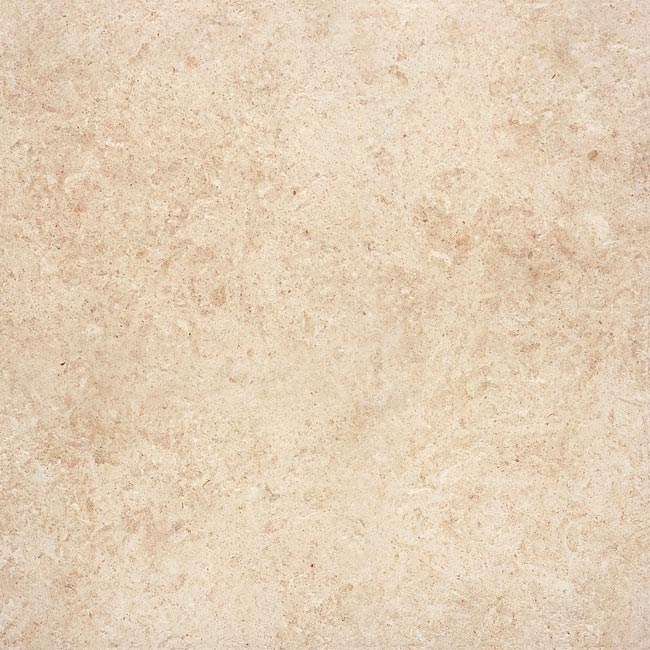 Racines
Clair
80x8060x6030x6010x60 -
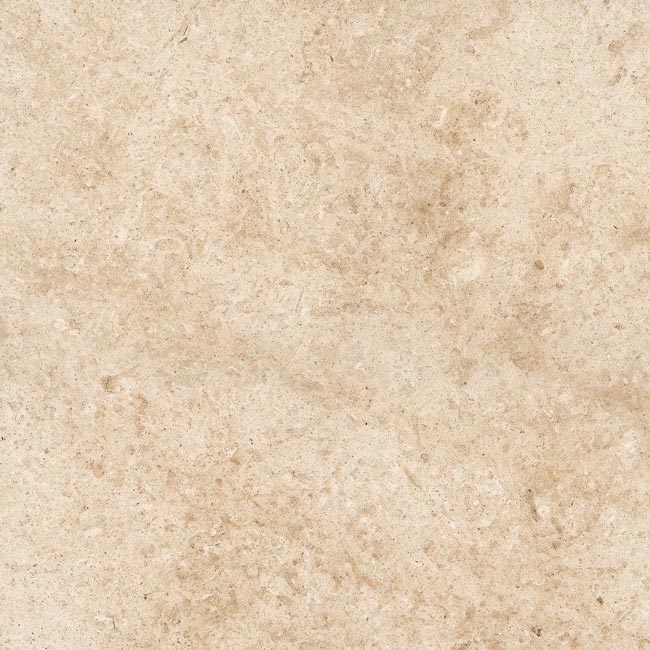 Racines
Clair Bord Vieilli
20x20 -
Sérac
Craie
60x12060x6030x6010x60 -
Sérac
Craie structured anti-slip
Outdoor Plus 20mm60x12060x6030x60 -
Sérac
Naturel
60x12060x6030x6010x60 -
Sérac
Naturel structured anti-slip
Outdoor Plus 20mm60x12060x6030x60 -
Sérac
Cendre
60x12060x6030x6010x60 -
Sérac
Cendre structured anti-slip
Outdoor Plus 20mm60x12060x6030x60 -
Sérac
Craie Opus Avenio
Comp. Mod. -
Sérac
Craie Opus Avenio structured anti-slip
Outdoor Plus 20mmComp. Mod. -
Sérac
Craie Opus Brestia
Comp. Mod. -
Sérac
Craie Opus Brestia structured anti-slip
Outdoor Plus 20mmComp. Mod. -
Sérac
Craie Opus Massilia
Comp. Mod. -
Sérac
Craie Opus Massilia structured anti-slip
Outdoor Plus 20mmComp. Mod. -
Sérac
Craie Opus Nicea
Comp. Mod. -
Sérac
Craie Opus Nicea structured anti-slip
Outdoor Plus 20mmComp. Mod. -
Sérac
Craie Opus Carcaso
Comp. Mod. -
Sérac
Craie Opus Carcaso structured anti-slip
Outdoor Plus 20mmComp. Mod. -
Sérac
Craie Opus Divio
Comp. Mod. -
Sérac
Craie Opus Divio structured anti-slip
Outdoor Plus 20mmComp. Mod. -
Sérac
Craie Opus Lutetia
Comp. Mod. -
Sérac
Craie Opus Lutetia structured anti-slip
Outdoor Plus 20mmComp. Mod. -
Sérac
Craie Bande Romaine Aquitania
Comp. Mod. -
Sérac
Craie Bande Romaine Aquitania structured anti-slip
Outdoor Plus 20mmComp. Mod. -
Sérac
Craie Bande Romaine Domitia
Comp. Mod. -
Sérac
Craie Bande Romaine Domitia structured anti-slip
Outdoor Plus 20mmComp. Mod. -
Sérac
Craie Cabochons Insula
Comp. Mod. -
Sérac
Craie Cabochons Insula structured anti-slip
Outdoor Plus 20mmComp. Mod. -
Sérac
Craie Bordures Castrum
Comp. Mod. -
Sérac
Craie Bordures Castrum structured anti-slip
Outdoor Plus 20mmComp. Mod. -
Sérac
Naturel Opus Avenio
Comp. Mod. -
Sérac
Naturel Opus Avenio structured anti-slip
Outdoor Plus 20mmComp. Mod. -
Sérac
Naturel Opus Brestia
Comp. Mod. -
Sérac
Naturel Opus Brestia structured anti-slip
Outdoor Plus 20mmComp. Mod. -
Sérac
Naturel Opus Massilia
Comp. Mod. -
Sérac
Naturel Opus Massilia structured anti-slip
Outdoor Plus 20mmComp. Mod. -
Sérac
Naturel Opus Nicea
Comp. Mod. -
Sérac
Naturel Opus Nicea structured anti-slip
Outdoor Plus 20mmComp. Mod. -
Sérac
Naturel Opus Carcaso
Comp. Mod. -
Sérac
Naturel Opus Carcaso structured anti-slip
Outdoor Plus 20mmComp. Mod. -
Sérac
Naturel Opus Divio
Comp. Mod. -
Sérac
Naturel Opus Divio structured anti-slip
Outdoor Plus 20mmComp. Mod. -
Sérac
Naturel Opus Lutetia
Comp. Mod. -
Sérac
Naturel Opus Lutetia structured anti-slip
Outdoor Plus 20mmComp. Mod. -
Sérac
Naturel Bande Romaine Aquitania
Comp. Mod. -
Sérac
Naturel Bande Romaine Aquitania structured anti-slip
Outdoor Plus 20mmComp. Mod. -
Sérac
Naturel Bande Romaine Domitia
Comp. Mod. -
Sérac
Naturel Bande Romaine Domitia structured anti-slip
Outdoor Plus 20mmComp. Mod. -
Sérac
Naturel Cabochons Insula
Comp. Mod. -
Sérac
Naturel Cabochons Insula structured anti-slip
Outdoor Plus 20mmComp. Mod. -
Sérac
Naturel Bordures Castrum
Comp. Mod. -
Sérac
Naturel Bordures Castrum structured anti-slip
Outdoor Plus 20mmComp. Mod. -
Sérac
Cendre Opus Avenio
Comp. Mod. -
Sérac
Cendre Opus Avenio structured anti-slip
Outdoor Plus 20mmComp. Mod. -
Sérac
Cendre Opus Brestia
Comp. Mod. -
Sérac
Cendre Opus Brestia structured anti-slip
Outdoor Plus 20mmComp. Mod. -
Sérac
Cendre Opus Massilia
Comp. Mod. -
Sérac
Cendre Opus Massilia structured anti-slip
Outdoor Plus 20mmComp. Mod. -
Sérac
Cendre Opus Nicea
Comp. Mod. -
Sérac
Cendre Opus Nicea structured anti-slip
Outdoor Plus 20mmComp. Mod. -
Sérac
Cendre Opus Carcaso
Comp. Mod. -
Sérac
Cendre Opus Carcaso structured anti-slip
Outdoor Plus 20mmComp. Mod. -
Sérac
Cendre Opus Divio
Comp. Mod. -
Sérac
Cendre Opus Divio structured anti-slip
Outdoor Plus 20mmComp. Mod. -
Sérac
Cendre Opus Lutetia
Comp. Mod. -
Sérac
Cendre Opus Lutetia structured anti-slip
Outdoor Plus 20mmComp. Mod. -
Sérac
Cendre Bande Romaine Aquitania
Comp. Mod. -
Sérac
Cendre Bande Romaine Aquitania structured anti-slip
Outdoor Plus 20mmComp. Mod. -
Sérac
Cendre Bande Romaine Domitia
Comp. Mod. -
Sérac
Cendre Bande Romaine Domitia structured anti-slip
Outdoor Plus 20mmComp. Mod. -
Sérac
Cendre Cabochons Insula
Comp. Mod. -
Sérac
Cendre Cabochons Insula structured anti-slip
Outdoor Plus 20mmComp. Mod. -
Sérac
Cendre Bordures Castrum
Comp. Mod. -
Sérac
Cendre Bordures Castrum structured anti-slip
Outdoor Plus 20mmComp. Mod. -
Sérac
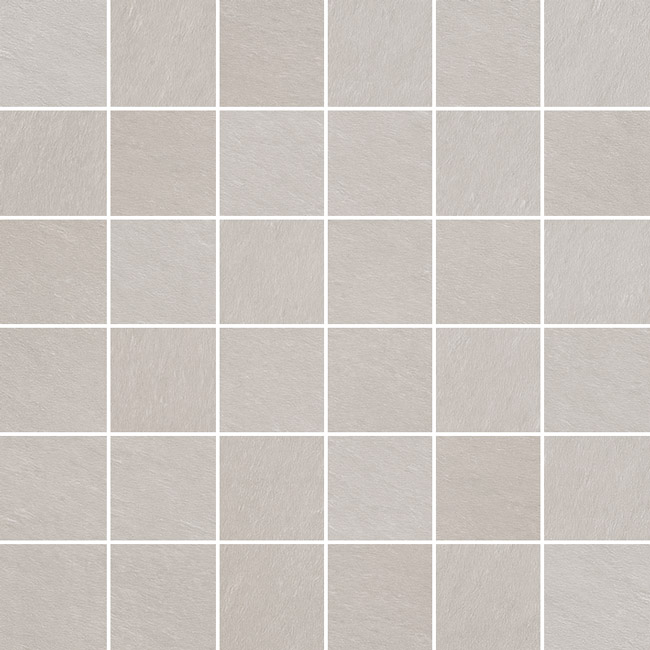
Craie Mos 5x5
30x30 -
Sérac
Naturel Mos 5x5
30x30 -
Sérac
Cendre Mos 5x5
30x30 -
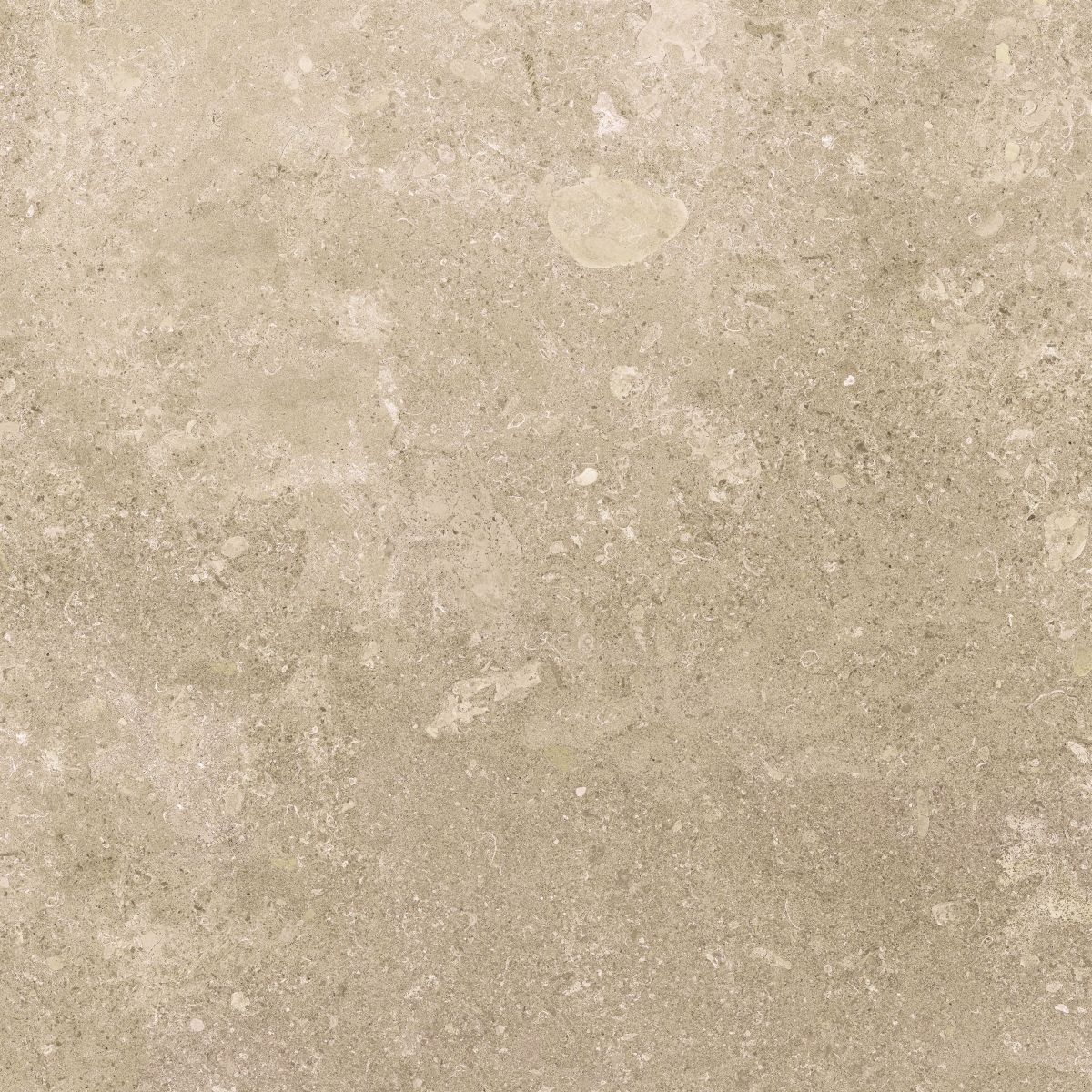 Solithe
Clair
60x12060x6030x60 -
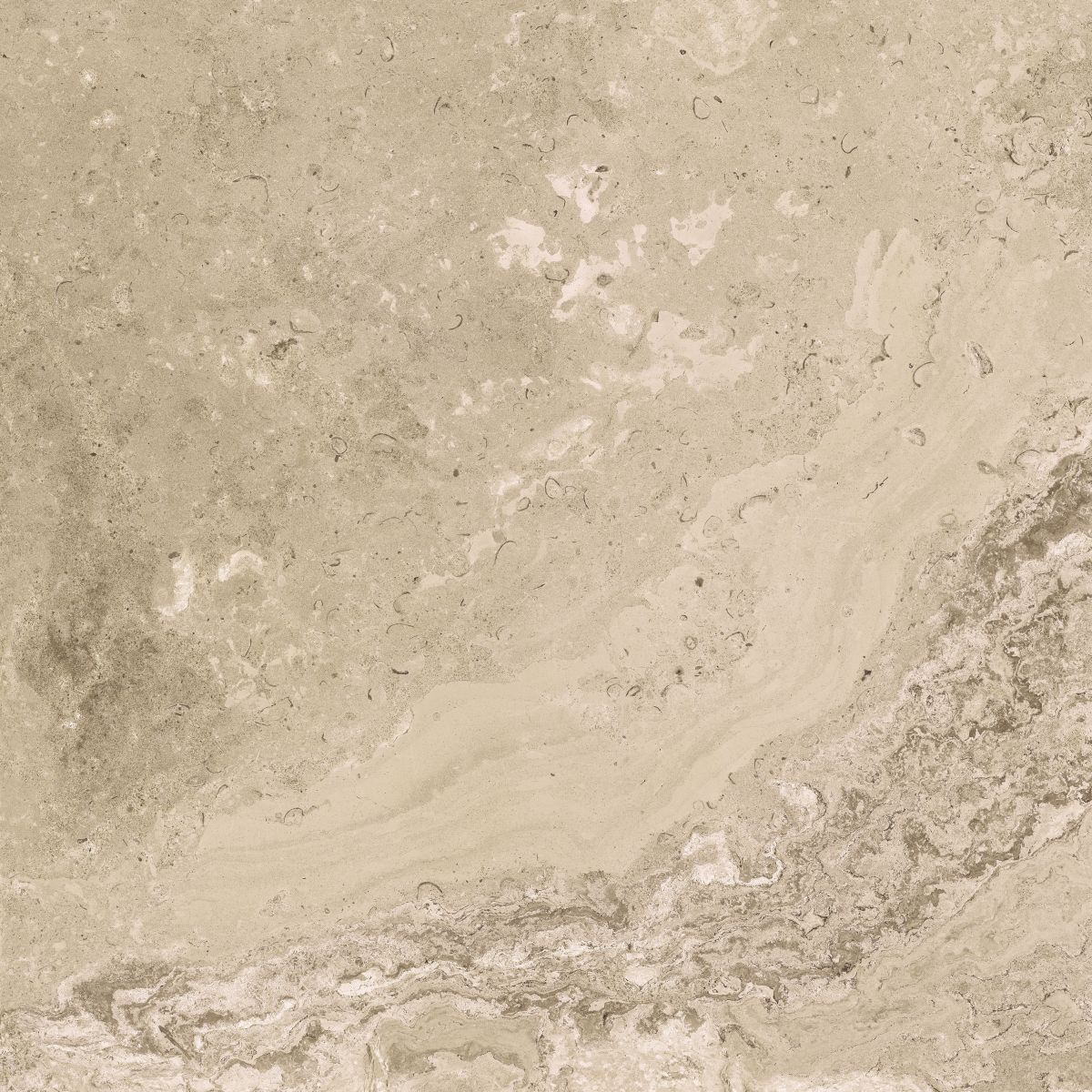 Solithe
Clair structured anti-slip
Outdoor Plus 20mm60x9060x6030x60 -
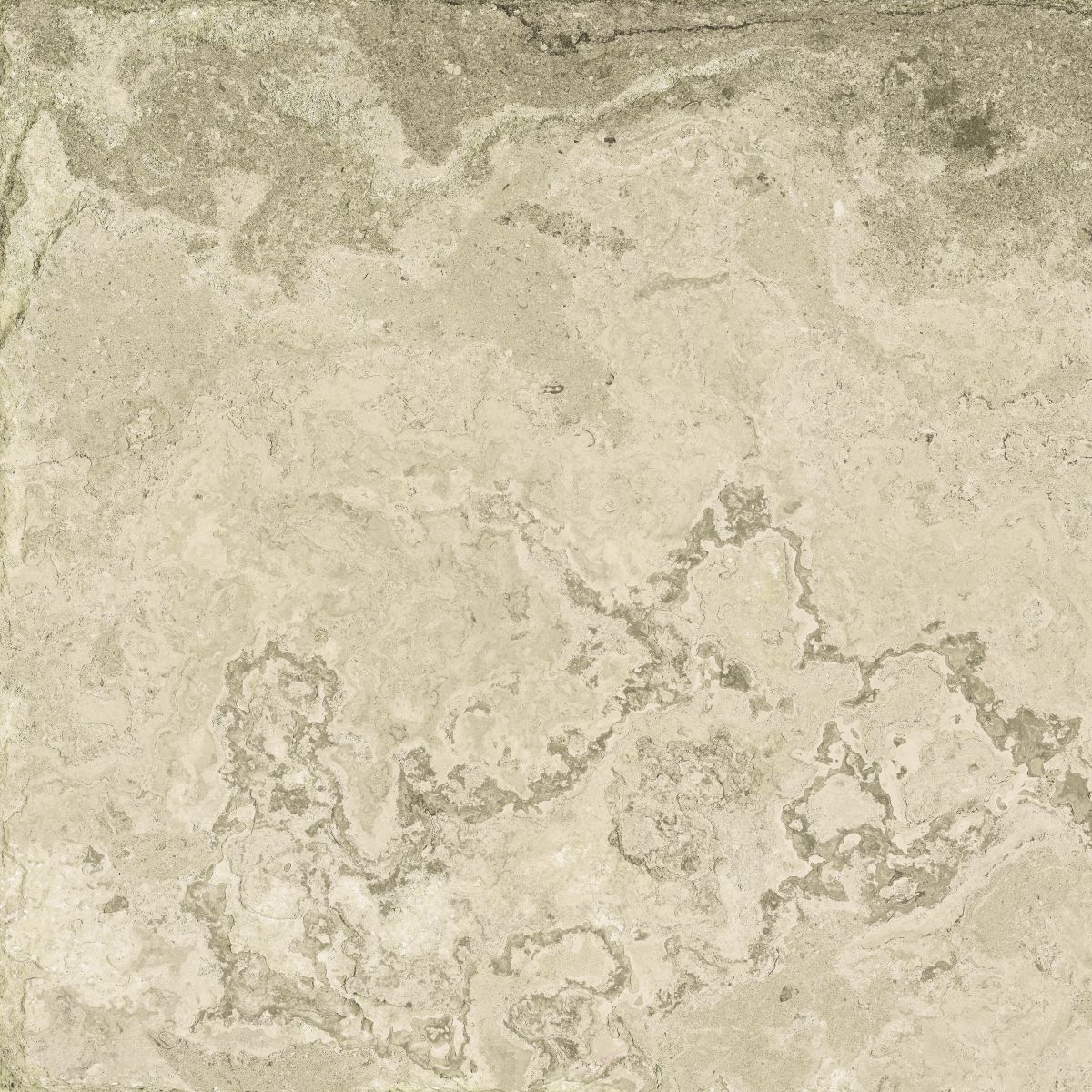 Solithe
Naturel
60x12060x6030x6010x60 -
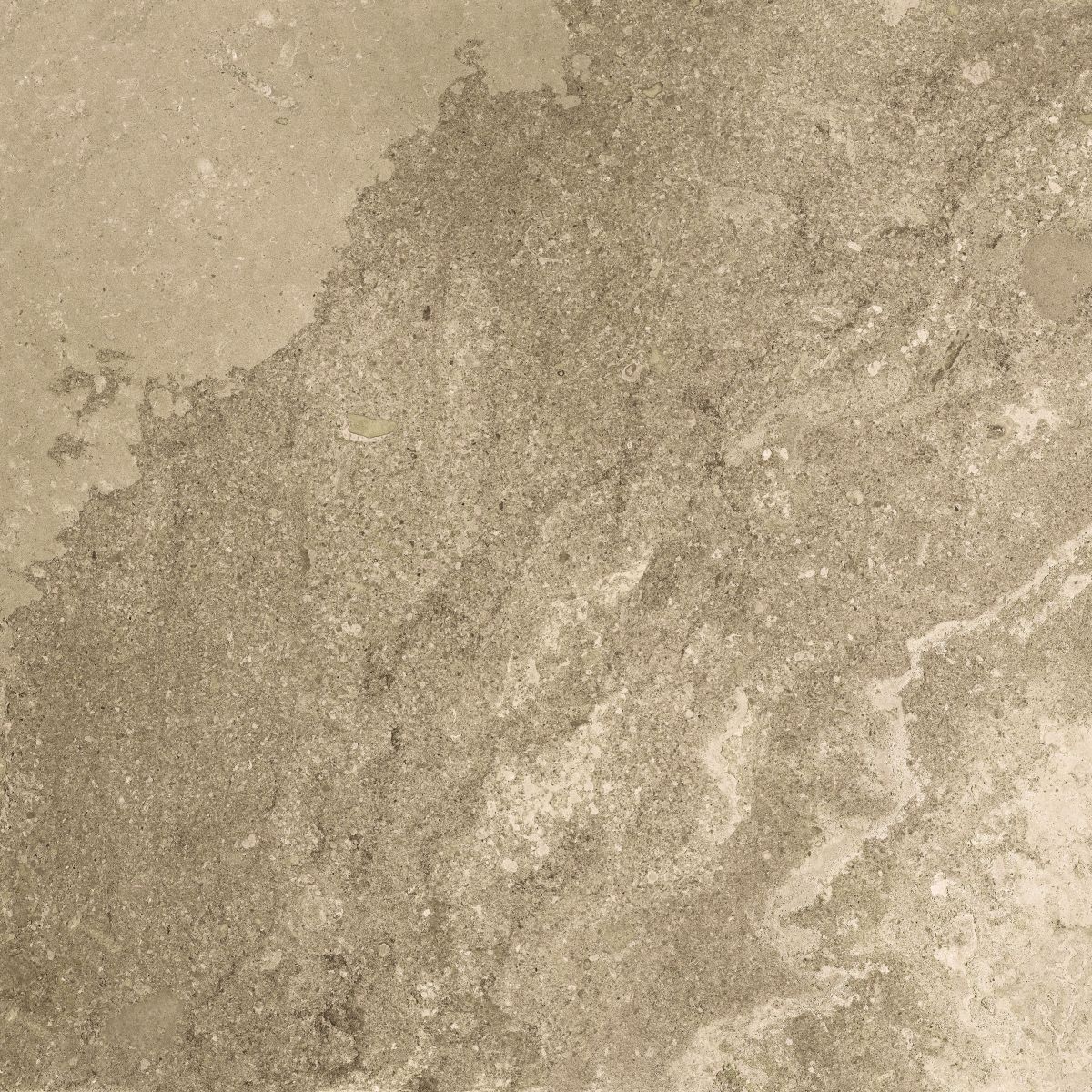 Solithe
Naturel structured anti-slip
Outdoor Plus 20mm60x9060x6030x60 -
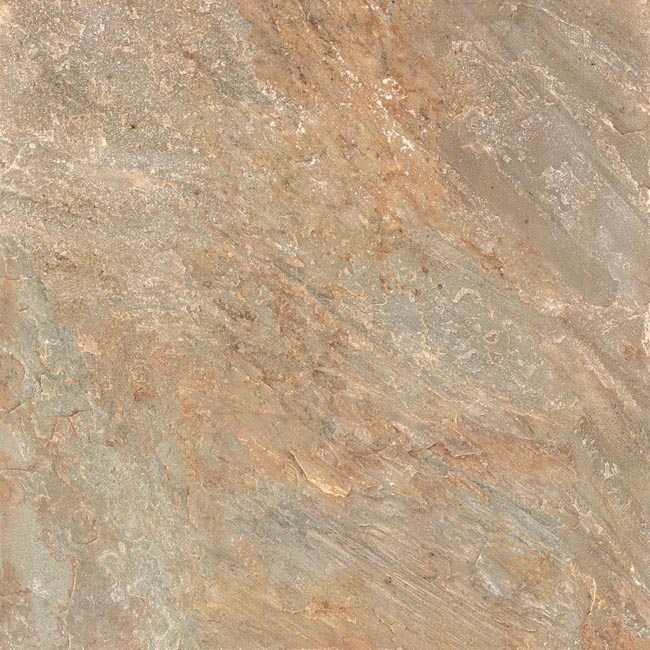 Zephyr
Gold
60x6030x60 -
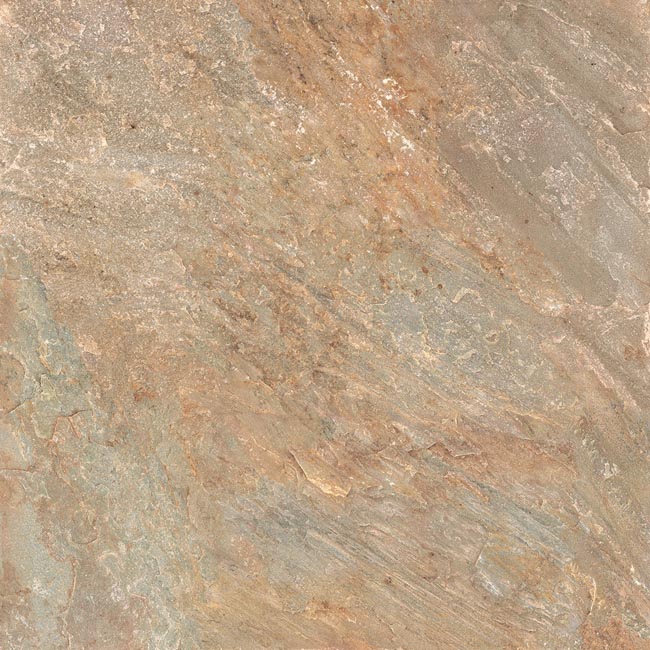 Zephyr
Gold structured anti-slip
Outdoor Plus 20mm60x6030x6010x6030x30 -
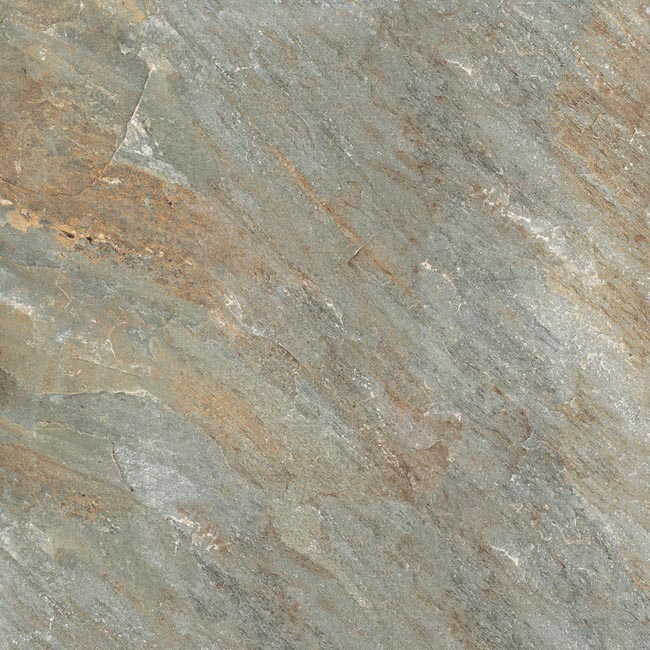 Zephyr
Grey
60x6030x60 -
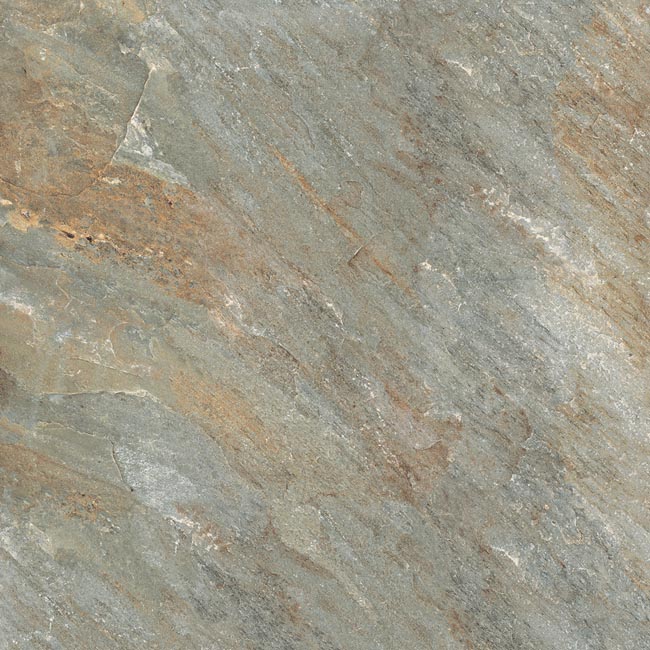 Zephyr
Grey structured anti-slip
Outdoor Plus 20mm60x6030x6010x6030x30 -
Craft
Pierre Blanc
30x60 -
Craft
Pierre Beige
30x60 -
Craft
Pierre Gris
30x60 -
Rox
Blanc
45x4530x30 -
Rox
Blanc structured anti-slip
45x4530x30 -
Rox
Beige
45x4530x30 -
Rox
Beige structured anti-slip
45x4530x30 -
Rox
Gris
45x4530x30 -
Rox
Gris structured anti-slip
45x4530x30 -
Losa
Calcite Mos 5x5
30x30 -
Losa
Calcite 3 column mosaic
45x45 -
Losa
Dolomite Mos 5x5
30x30 -
Losa
Dolomite 3 column mosaic
45x45 -
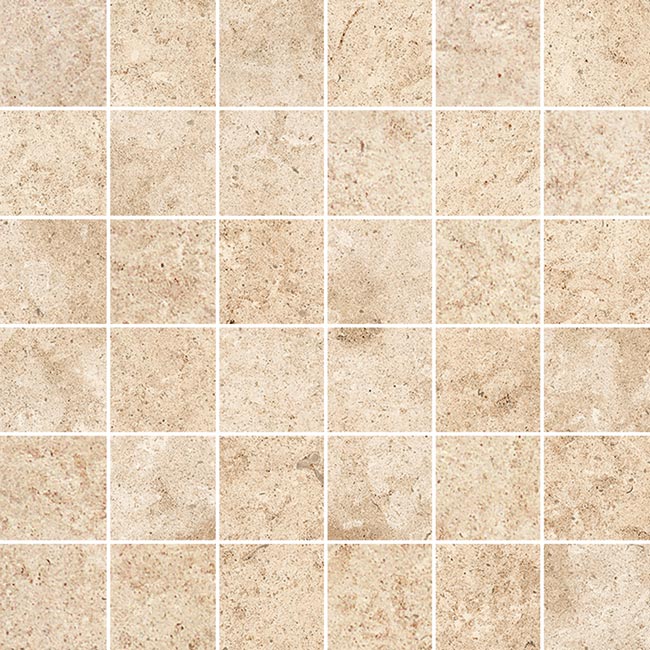 Racines
Clair Mos 5x5
30x30 -
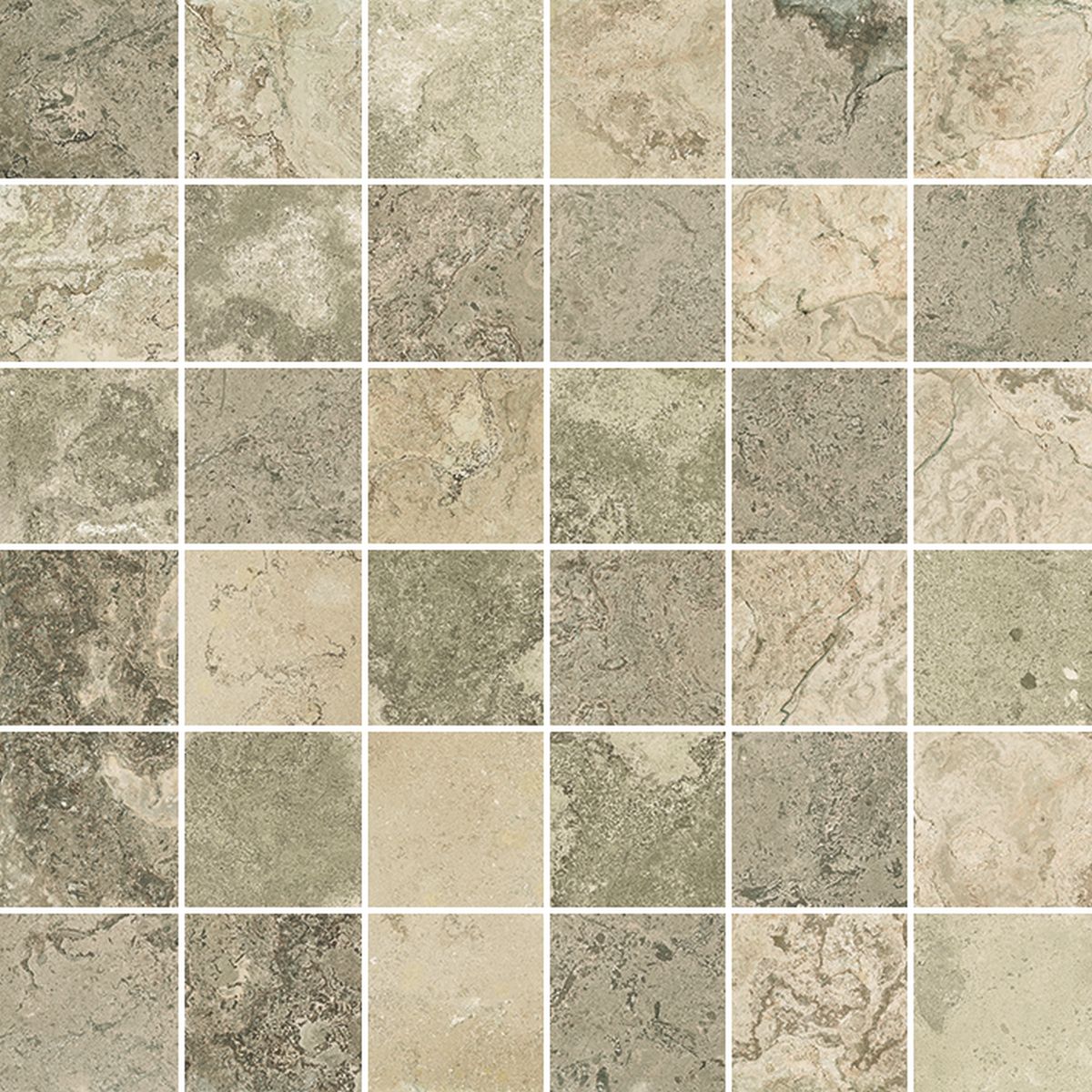 Solithe
Naturel Mos 5x5
30x30 -
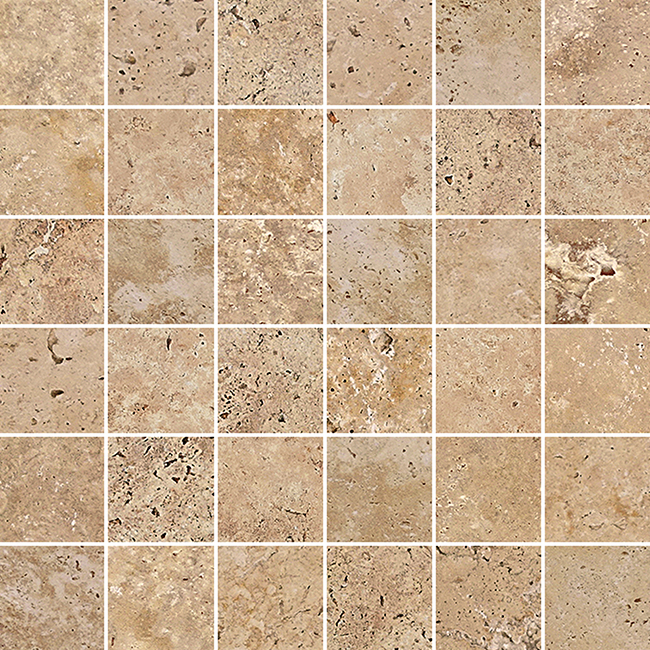 Tiber
TiberNatural Mos 5x5
30x30 -
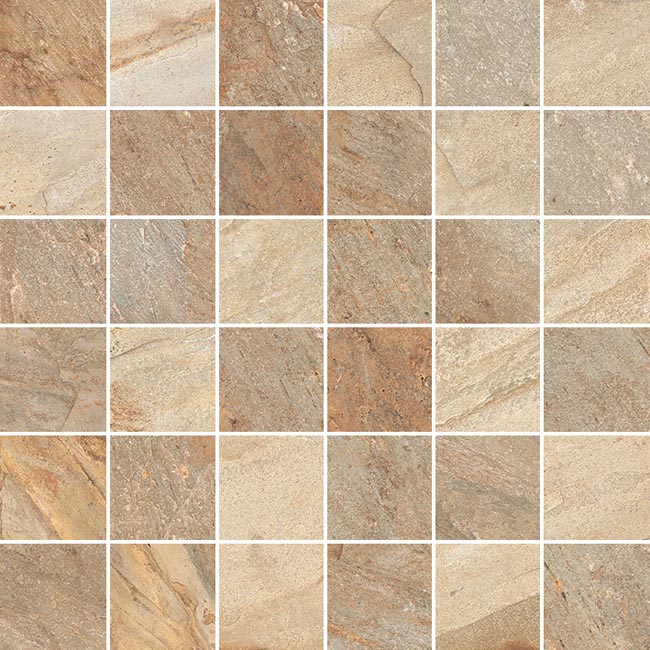 Zephyr
Gold Mos 5x5 structured anti-slip
30x30 -
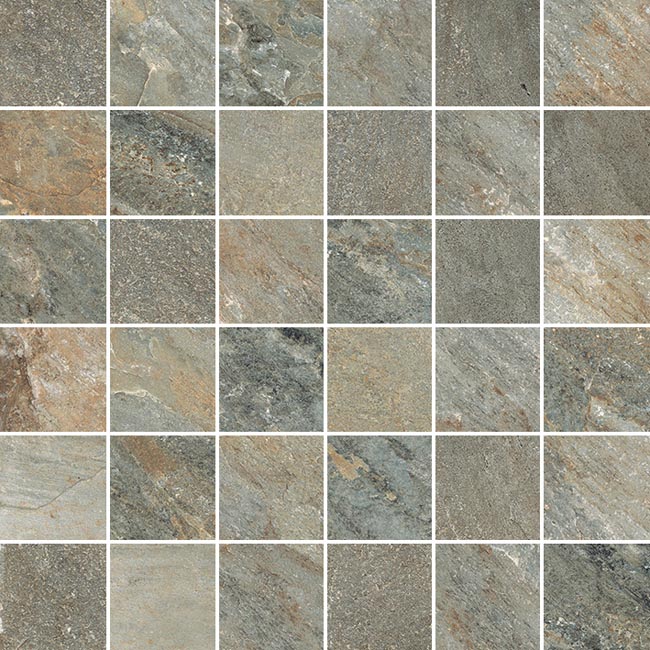 Zephyr
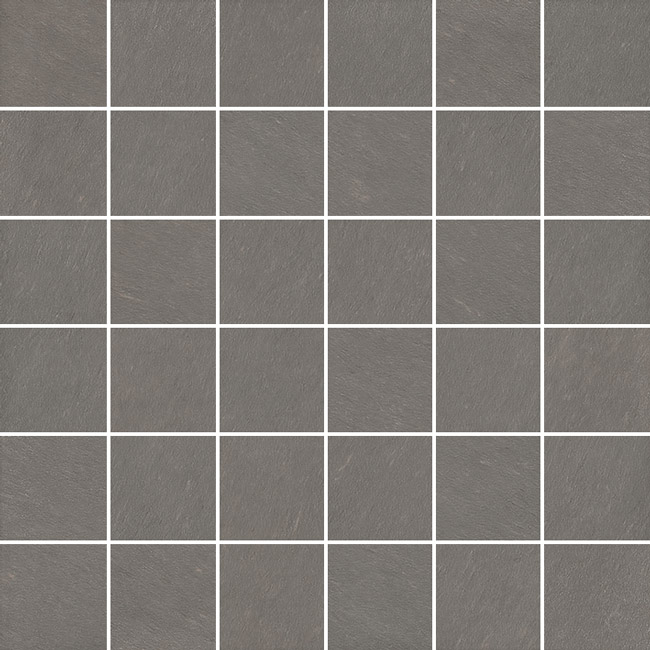
Grey Mos 5x5 structured anti-slip
30x30 -
 Cast
CastCast
60x12060x6030x6010x60 -
 Cast
CastCast structured anti-slip
Outdoor Plus 20mm60x12060x6030x6010x6030x30 -
Kairn
Gris
120x12060x12080x8060x6030x6010x60 -
Kairn
Gris structured anti-slip
Outdoor Plus 20mm60x12080x8060x6030x60 -
Kairn
Gris Mos 5x5
30x30 -
Kairn
Naturel
120x12060x12080x8060x6030x6010x60 -
Kairn
Naturel structured anti-slip
Outdoor Plus 20mm60x12080x8060x6030x60 -
Kairn
Naturel Mos 5x5
30x30 -
Kairn
Sable
120x12060x12080x8060x6030x6010x60 -
Kairn
Sable structured anti-slip
Outdoor Plus 20mm60x12080x8060x6030x60 -
Kairn
Sable Mos 5x5
30x30 -
 Performance
Pierre Ivoire
60x60 -
Samsara
Opale Mos 5x5
30x30 -
Samsara
Ivoire Mos 5x5
30x30 -
Samsara
Perle Mos 5x5
30x30 -
Samsara
Plomb Mos 5x5
30x30 -
Samsara
Ardoise Mos 5x5
30x30 -
 Performance
Pierre Gris
60x60 -
 Performance
Pierre Plomb
60x60 -
Inaya
Ivoire
60x6030x6045x45 -
 Inaya
InayaIvoire structured anti-slip
60x6030x6045x45 -
Inaya
Gris
60x6030x6045x45 -
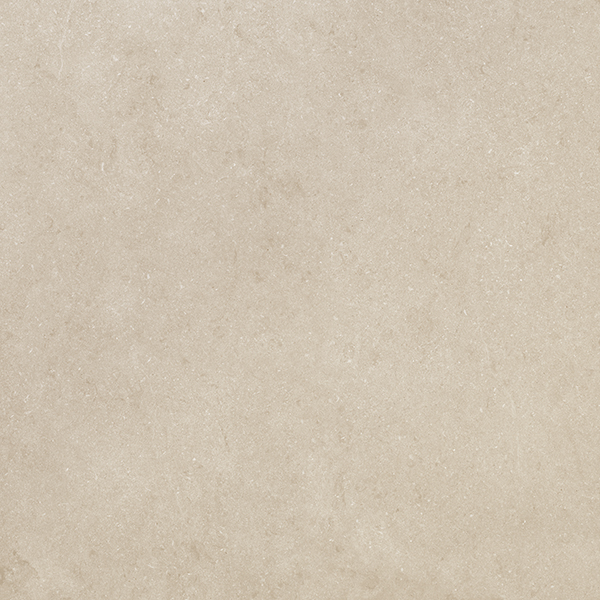 Inaya
InayaGris structured anti-slip
60x6030x6045x45 -
Inaya
Sable
60x6030x6045x45 -
 Inaya
InayaSable structured anti-slip
60x6030x6045x45 -
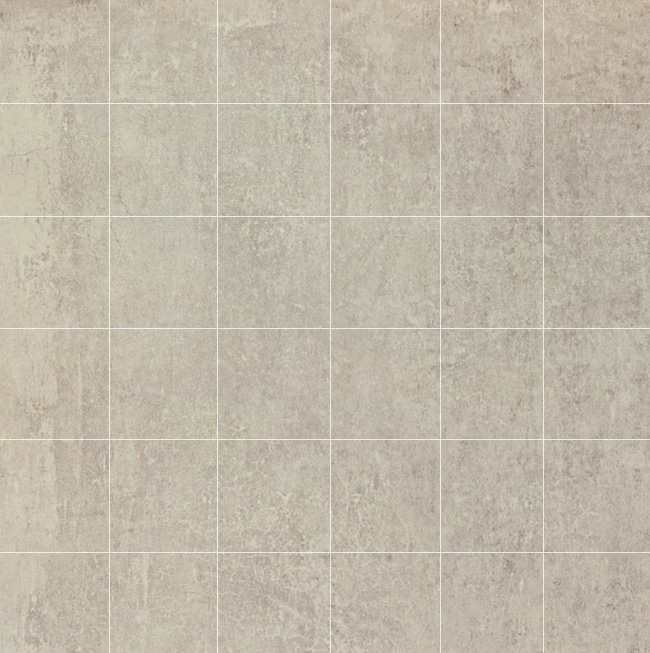 Teranga
Ivoire Mos 5x5
30x30 -
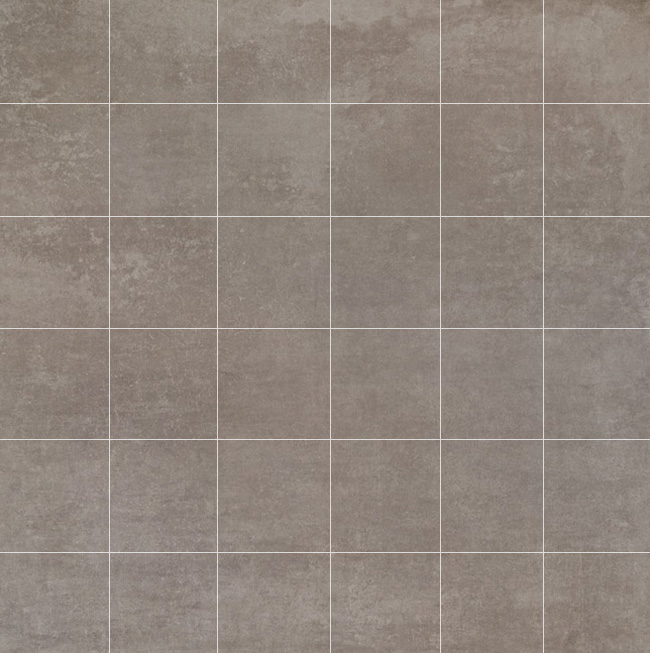 Teranga
Greige Mos 5x5
30x30 -
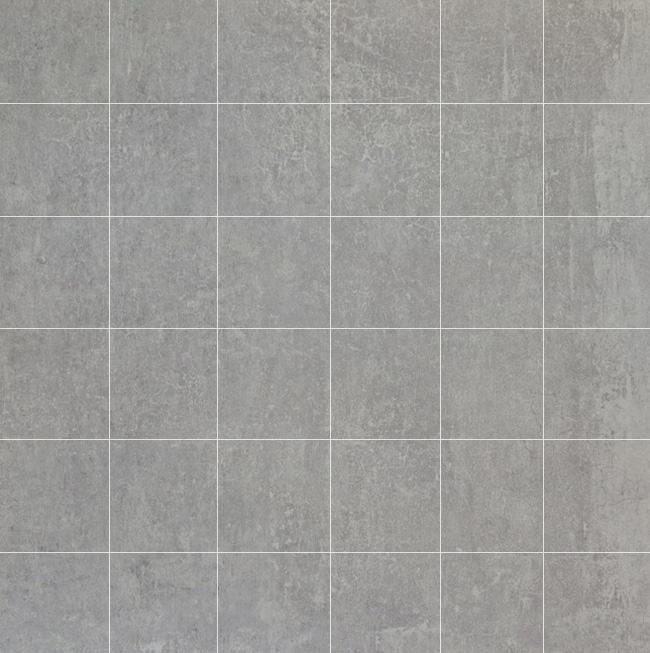 Teranga
Perle Mos 5x5
30x30 -
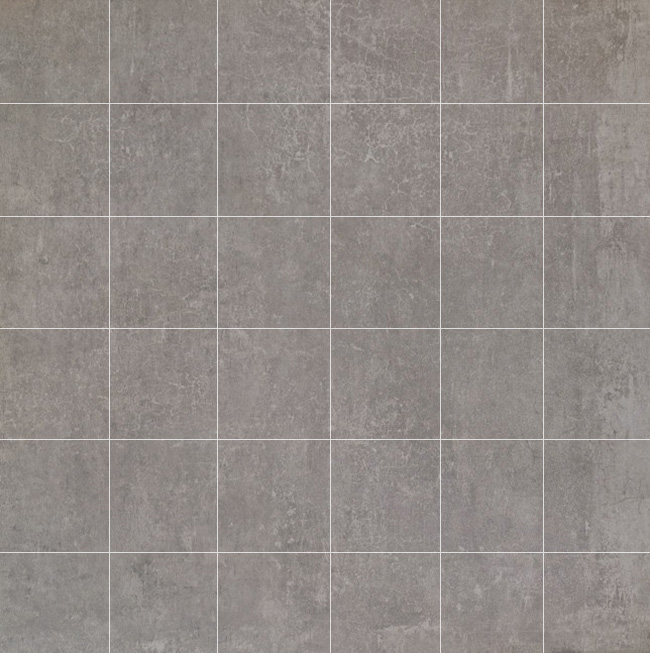 Teranga
Fer Mos 5x5
30x30 -
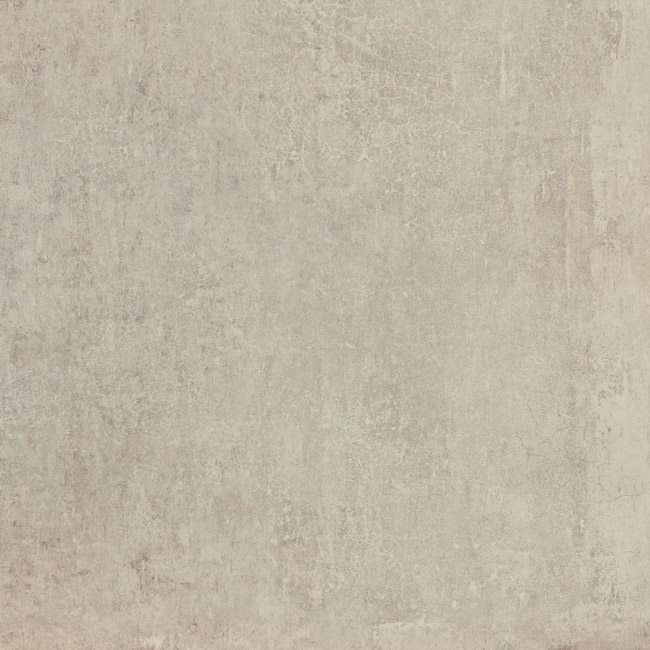 Teranga
Ivoire
120x12080x80 -
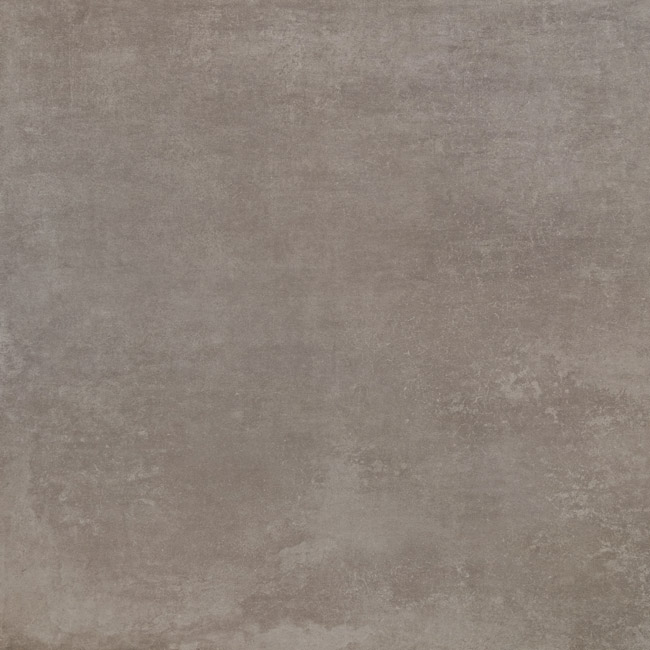 Teranga
Greige
120x12080x80 -
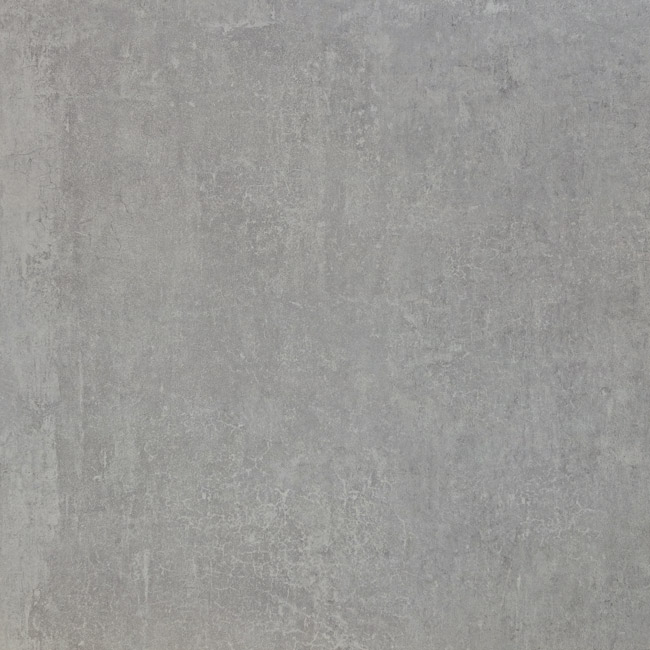 Teranga
Perle
120x12080x80 -
 Teranga
Fer
120x12080x80 -
 Performance
Pierre Moka
60x60 -
Otto
Béton
120x12060x12080x80 -
Otto
Ivoire
120x12060x12080x80 -
Otto
Sable
120x12060x12080x80 -
Château
Ivoire
80x8060x60 -
Château
Sable
80x8060x60 -
Château
Gris
80x8060x60 -
Château
Moka
80x8060x60 -
Losa
Dacite Mos 5x5
30x30 -
Losa
Dacite 3 column mosaic
45x45 -
Losa
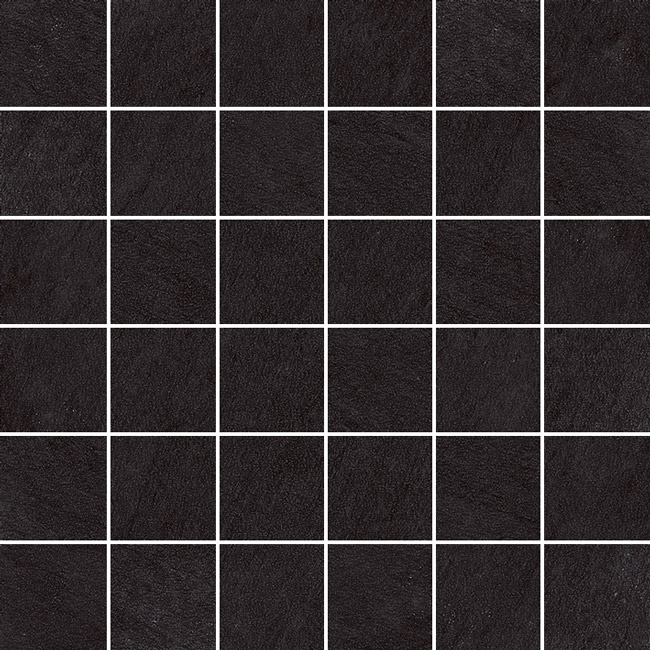
Graphite Mos 5x5
30x30 -
Losa
Graphite 3 column mosaic
45x45 -
 Standard
060 Porphyré Gris Clair – Gris Foncé
30x30 -
Fast
Sable
80x8060x6030x6045x45 -
Fast
Gris
80x8060x6030x6045x45 -
Fast
Plomb
80x8060x6030x6045x45 -
Kobe
Calcite structured anti-slip
Outdoor Plus 20mm45x9060x6030x6045x45 -
Kobe
Quartz structured anti-slip
Outdoor Plus 20mm45x9060x6030x6045x45 -
Kobe
Béryl structured anti-slip
Outdoor Plus 20mm45x9060x6030x6045x45 -
 Samsara
Opale
60x6030x6045x4530x30 -
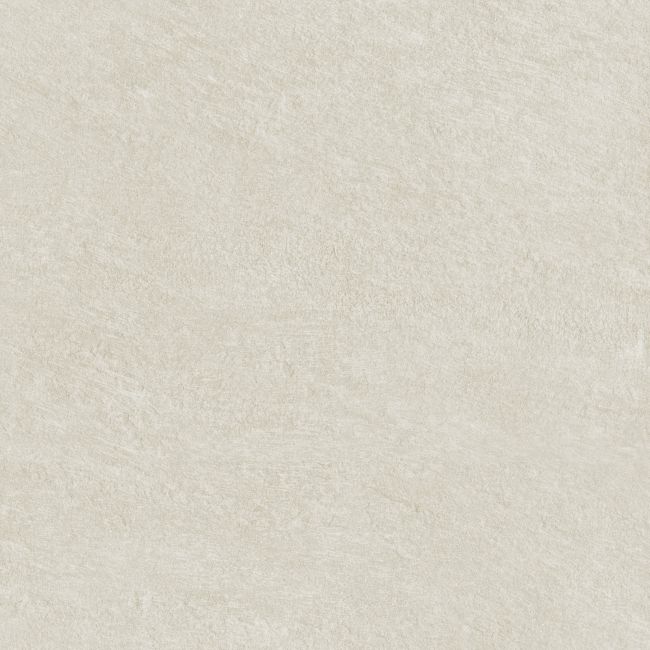 Samsara
Opale structured anti-slip
30x6045x45 -
 Samsara
Ivoire
60x6030x6045x4530x30 -
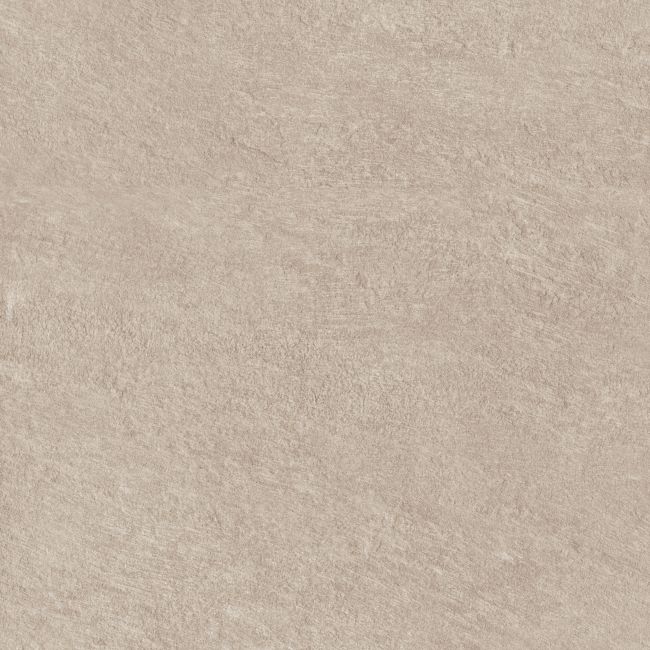 Samsara
Ivoire structured anti-slip
60x6030x6045x4530x30 -
Icone
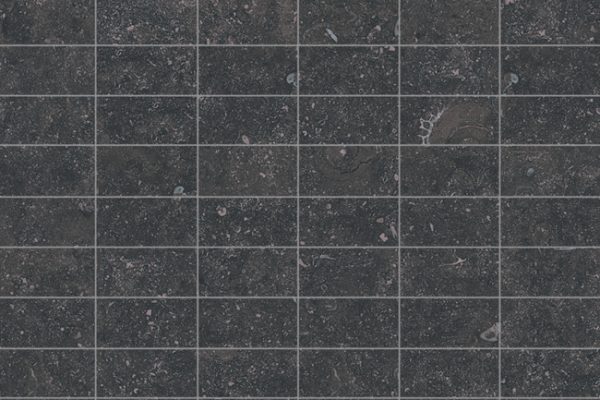
Bleu 6 column mosaic
45x45 -
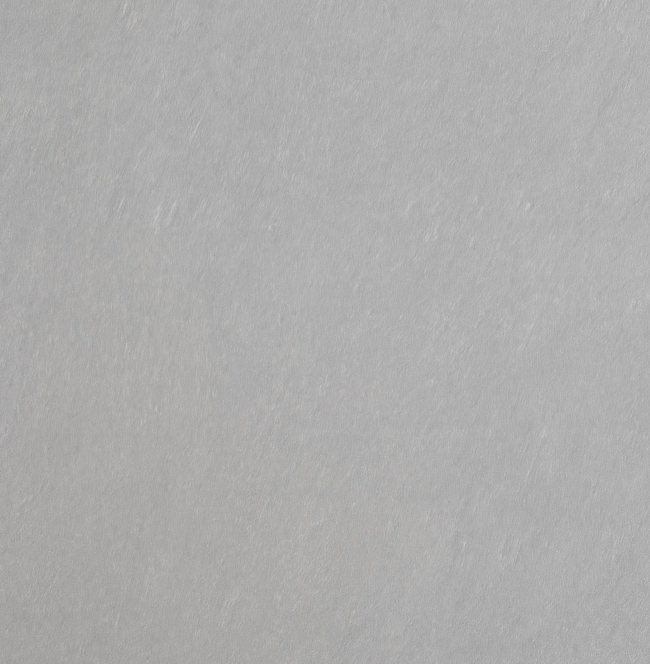 Samsara
Perle
60x6030x6045x4530x30 -
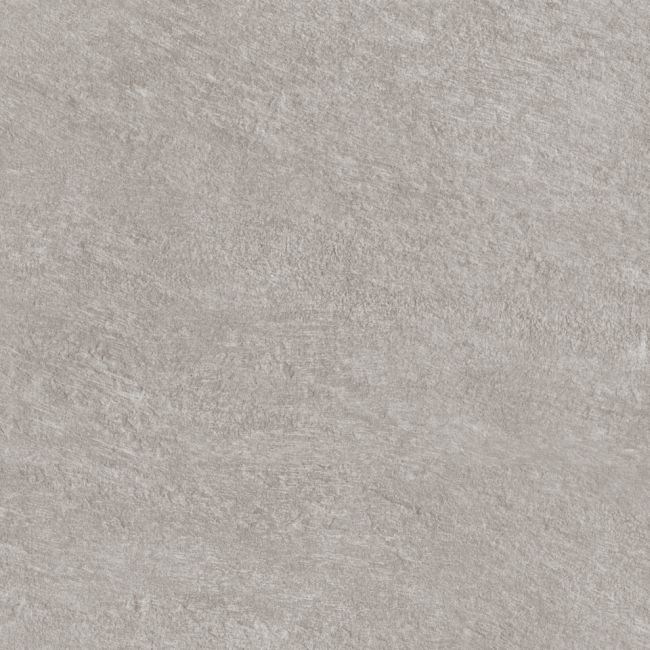 Samsara
Perle structured anti-slip
Outdoor Plus 20mm60x6030x6045x4530x30 -
 Samsara
Plomb
60x6030x6045x4530x30 -
 Samsara
Plomb structured anti-slip
Outdoor Plus 20mm60x6030x6045x4530x30 -
 Samsara
Ardoise
60x6030x6045x45 -
 Samsara
Ardoise structured anti-slip
60x6030x6045x45 -
 Standard Evolution
200 Evolution Argent
45x4530x30 -
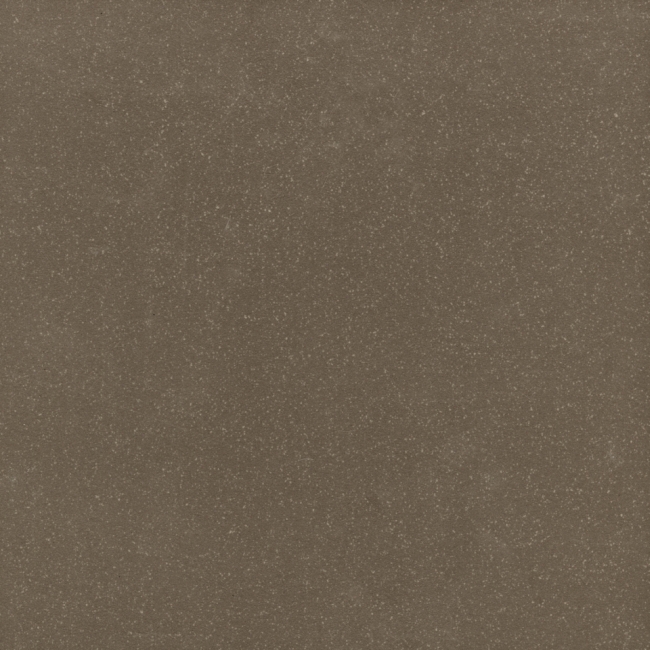 Standard Evolution
300 Evolution Taupe
45x4530x30 -
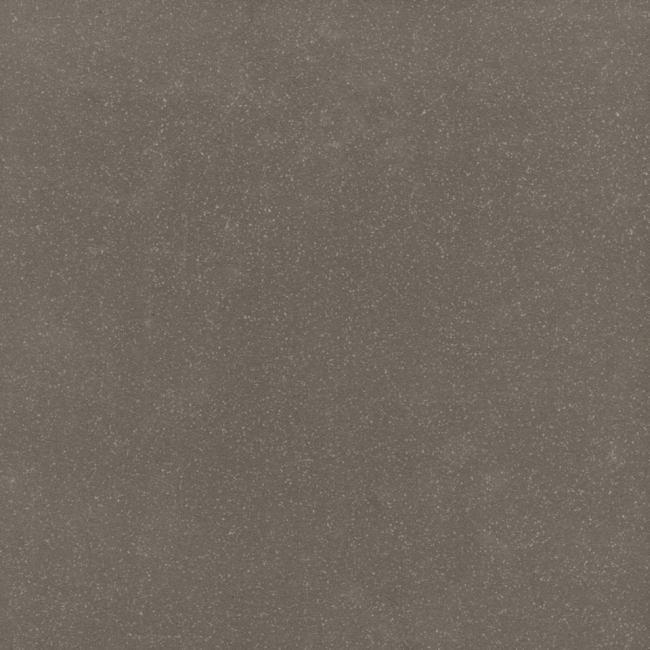 Standard Evolution
400 Evolution Brun
45x4530x30 -
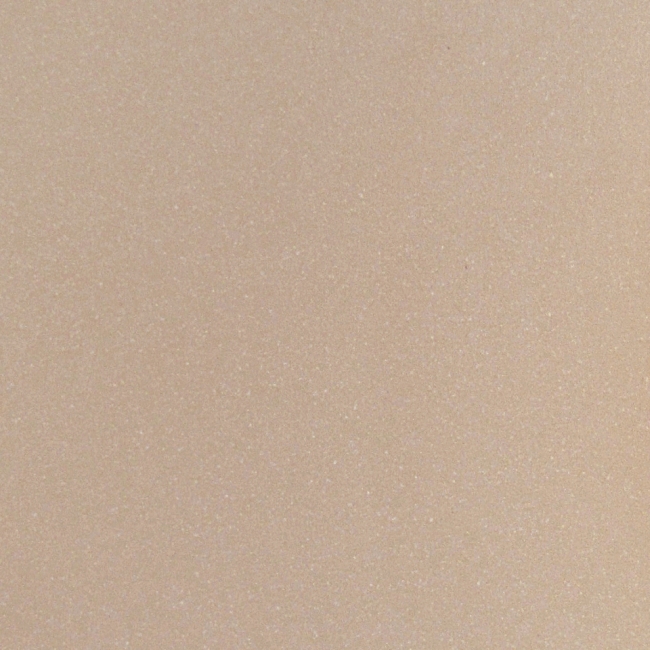 Standard Evolution
500 Evolution Beige
45x4530x30 -
 Standard Evolution
600 Evolution Gris Clair
45x4530x30 -
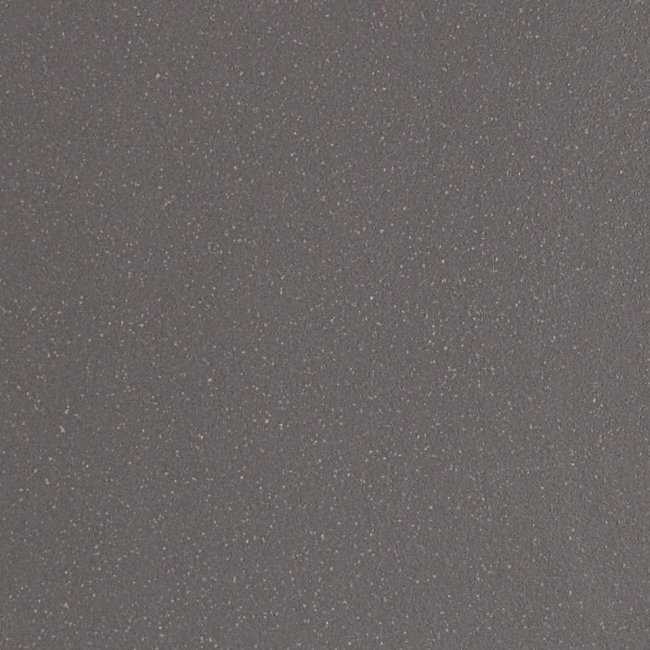 Standard Evolution
700 Evolution Gris foncé
45x4530x30 -
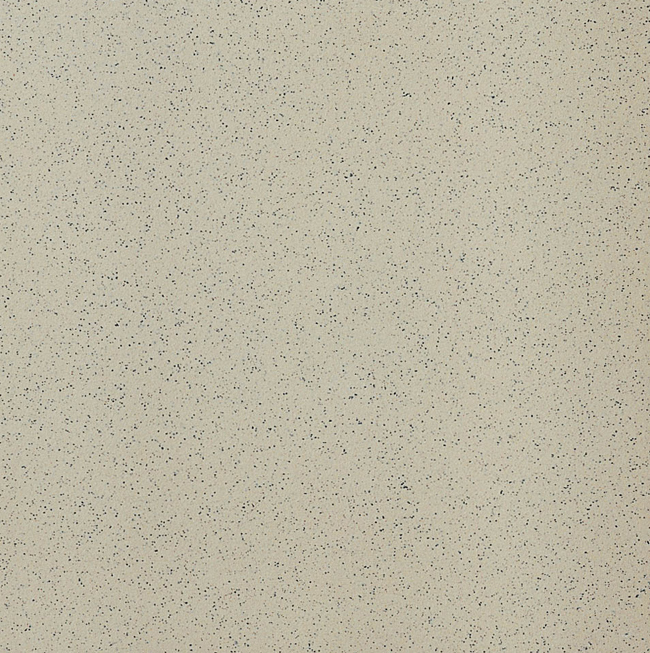 Standard
050 Porphyré Blanc Noir
30x30 -
 Standard
230 Uni Blanc Crème
30x30 -
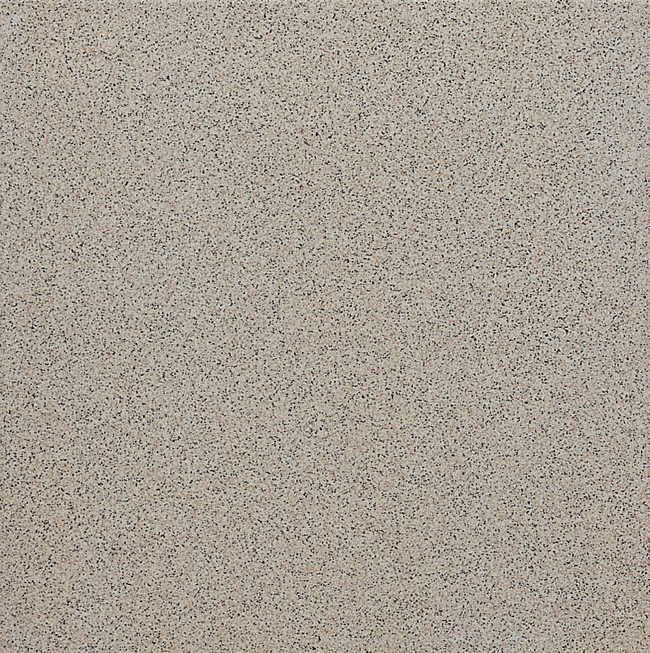 Standard
415 Porphyré Gris
30x30 -
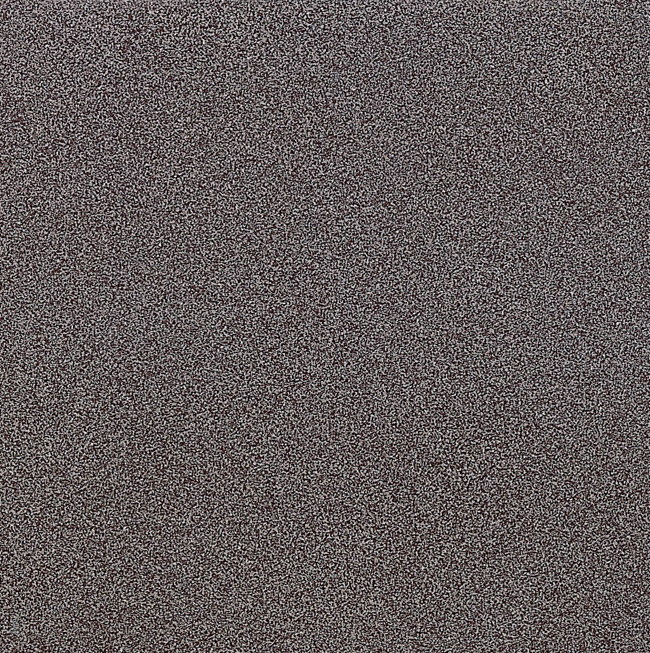 Standard
150 Porphyré Gris Foncé
30x30
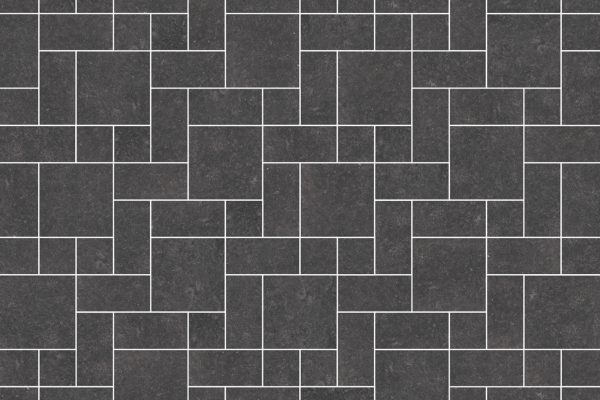
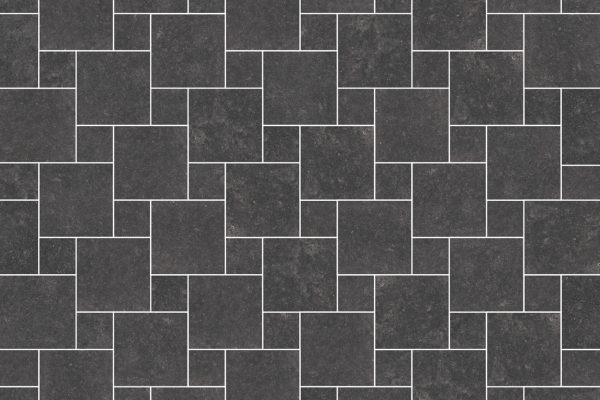
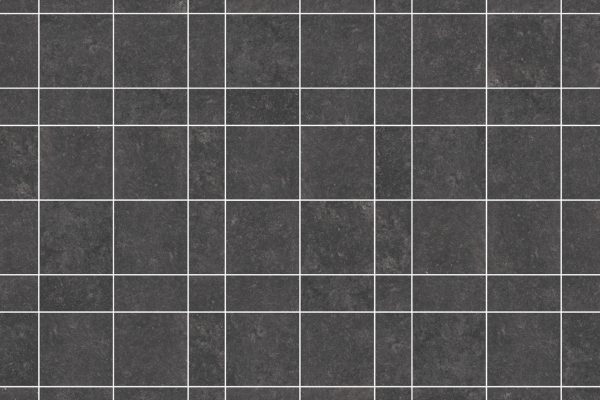

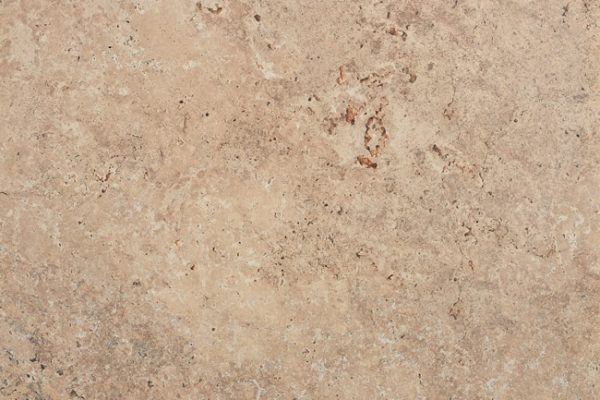
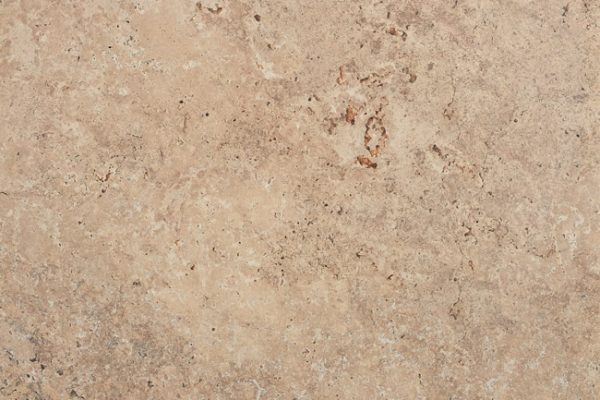
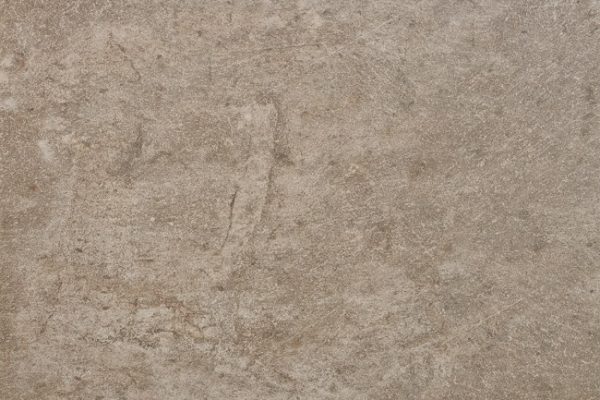
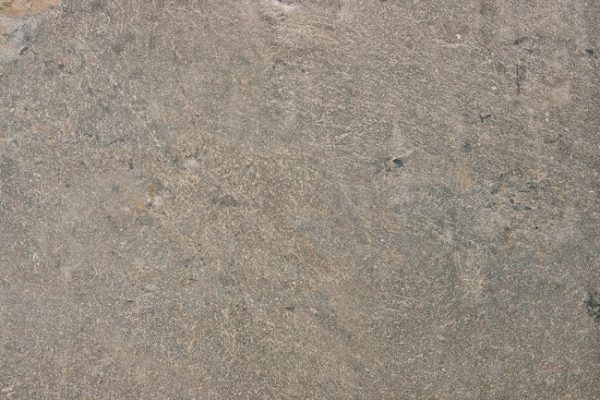





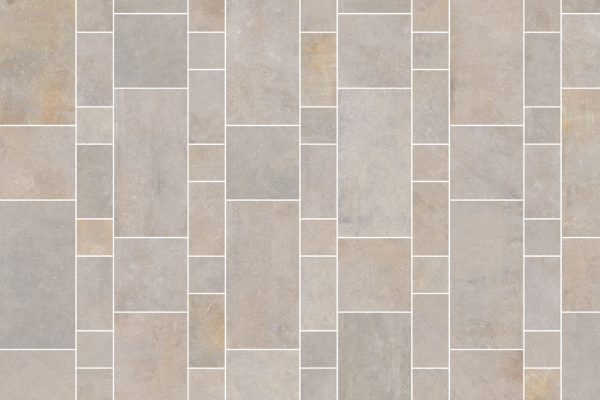
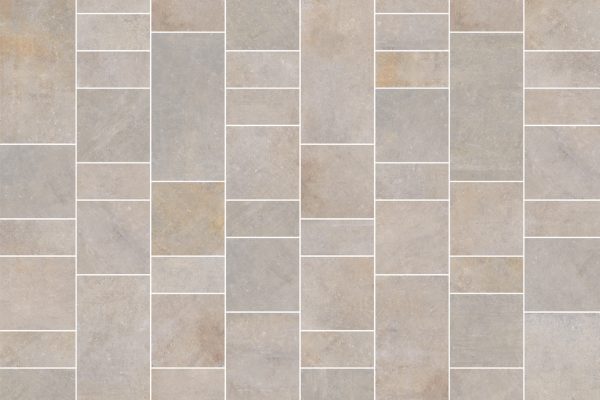




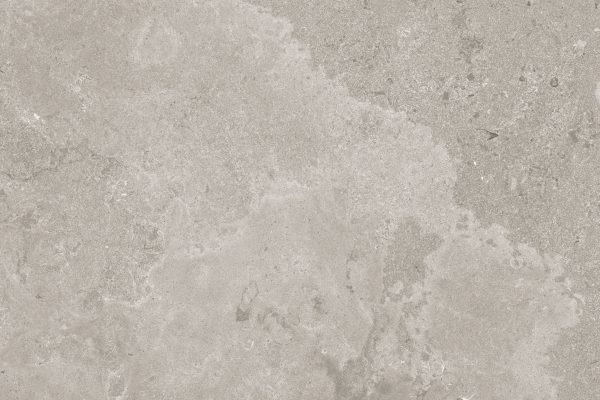
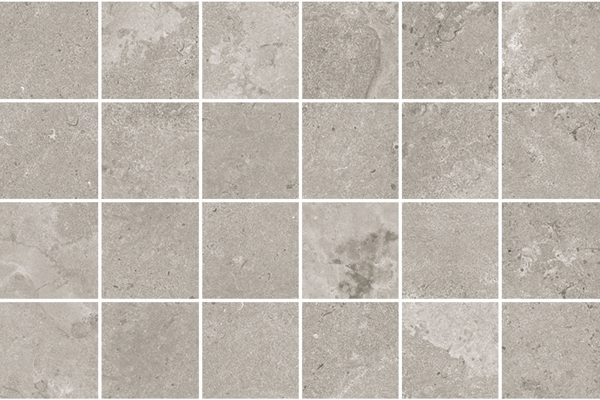
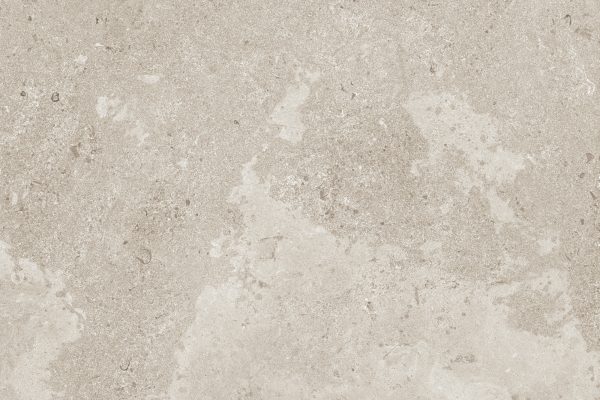
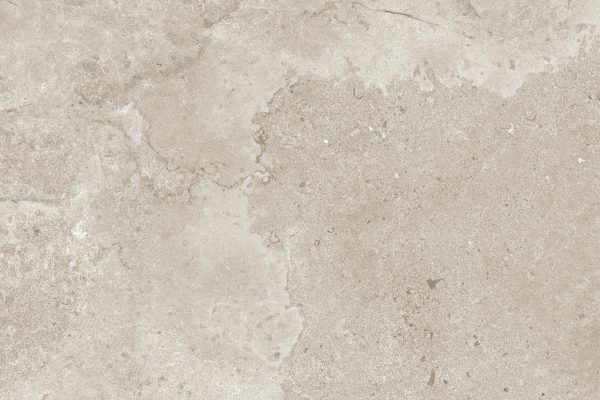
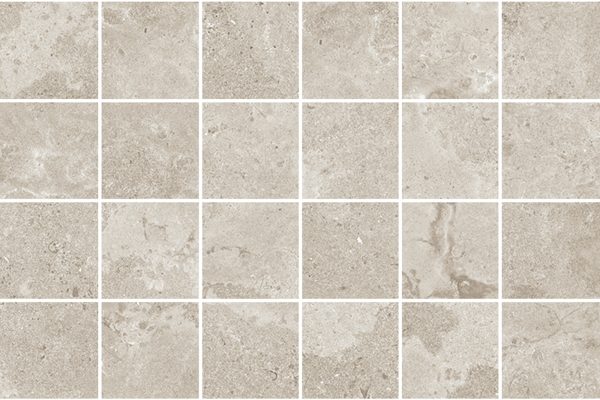
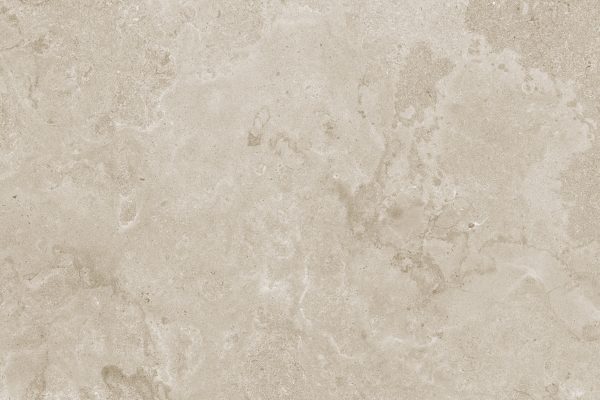
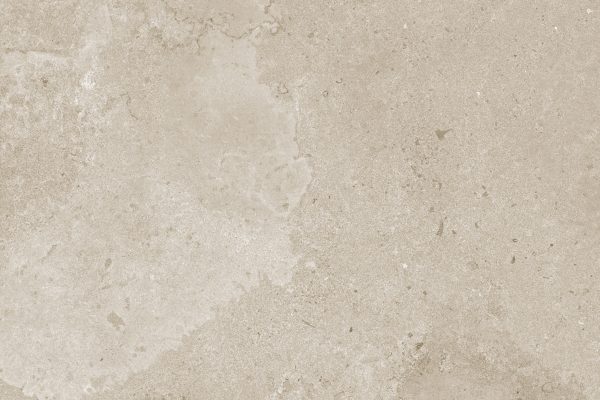
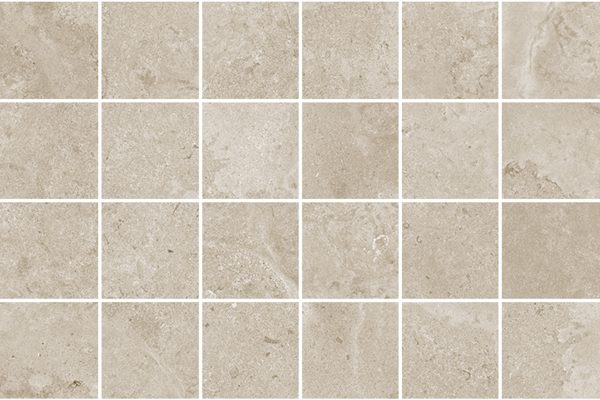





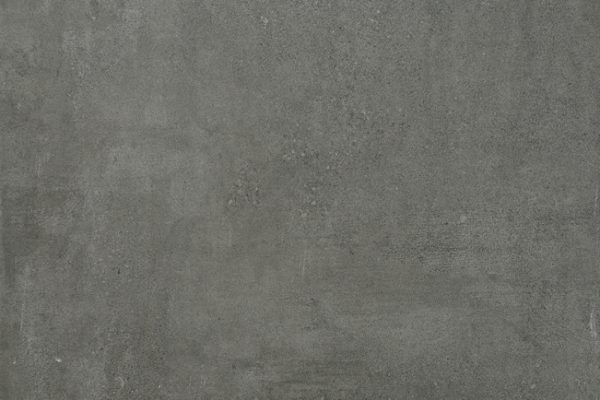
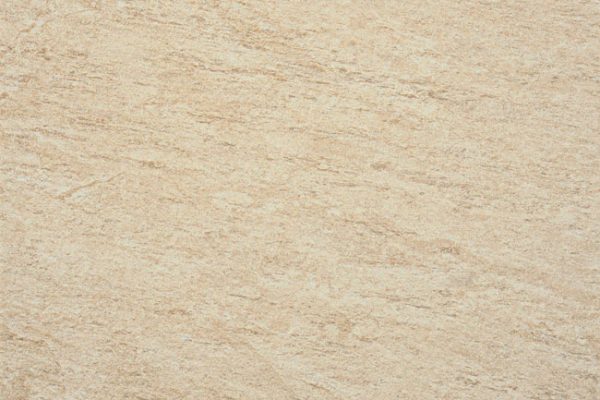
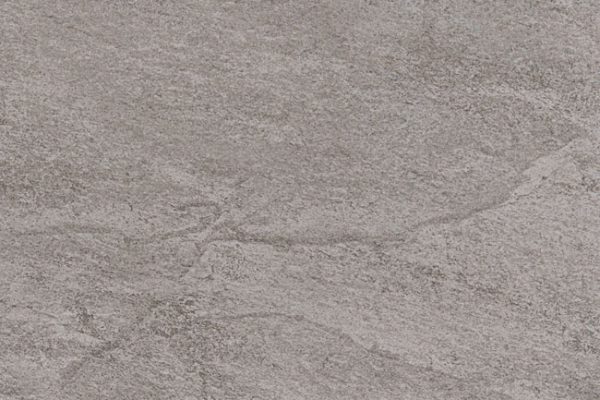
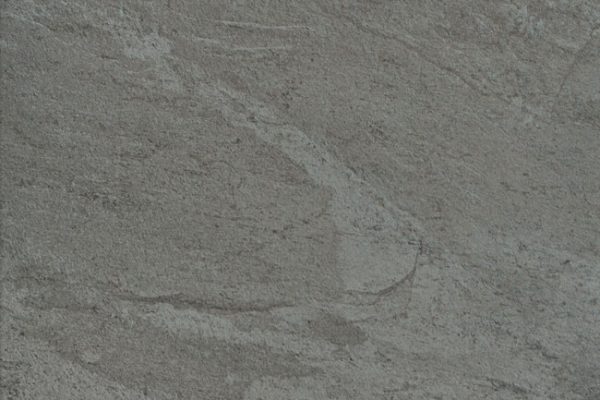
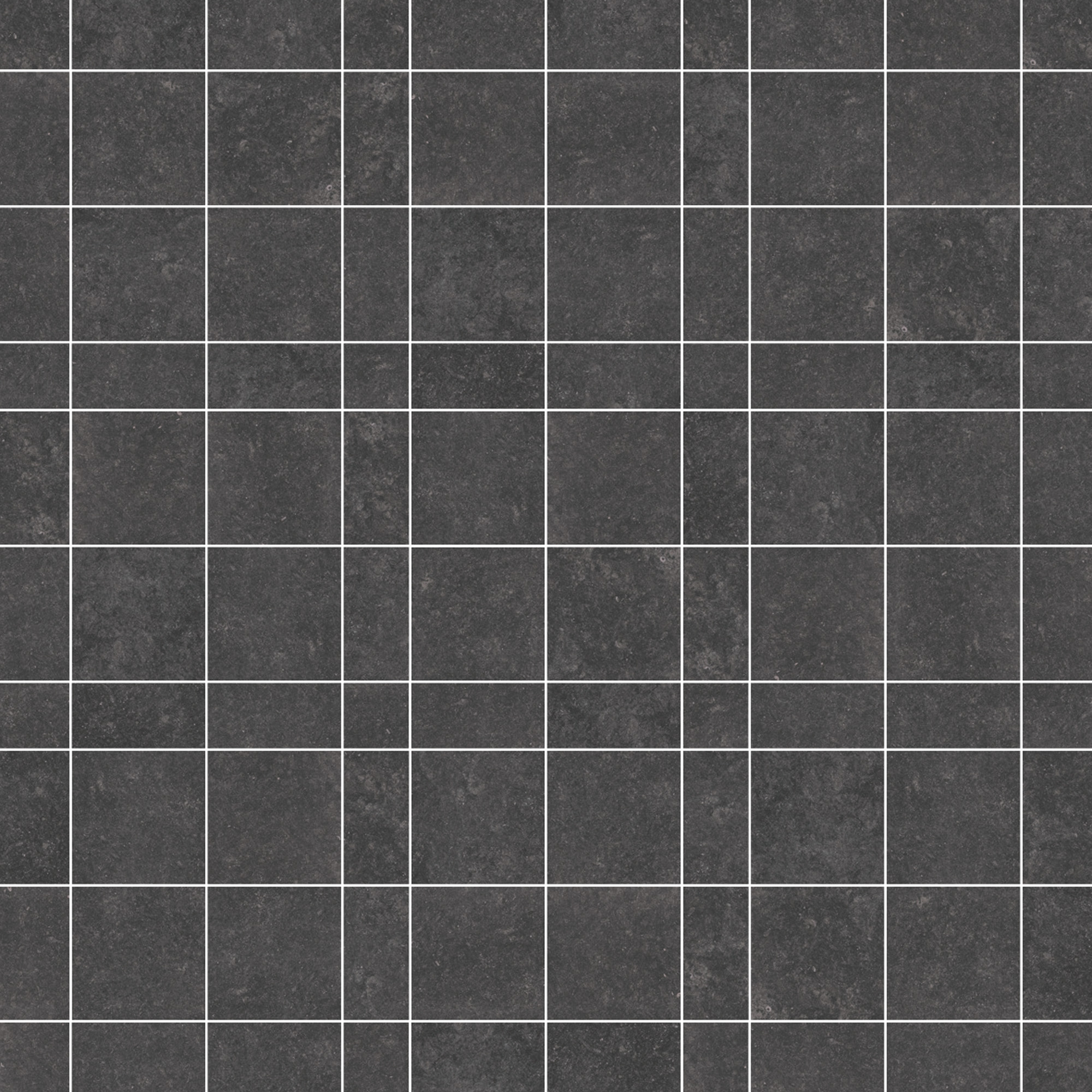
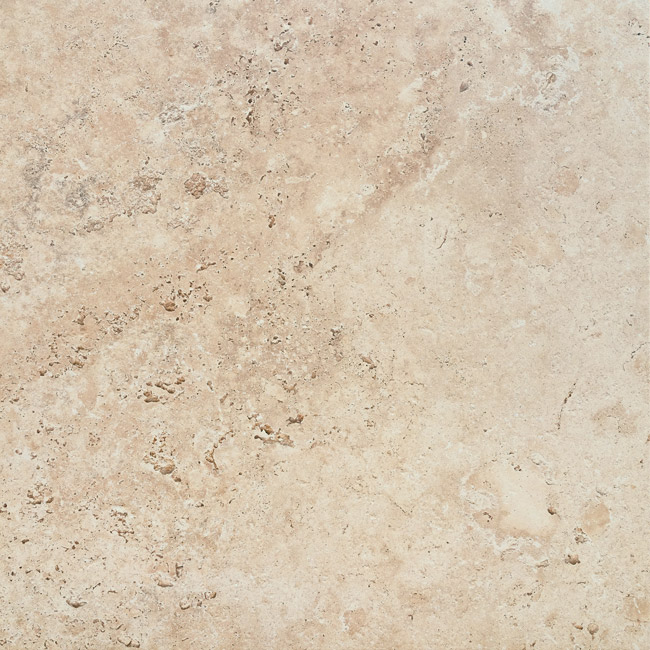
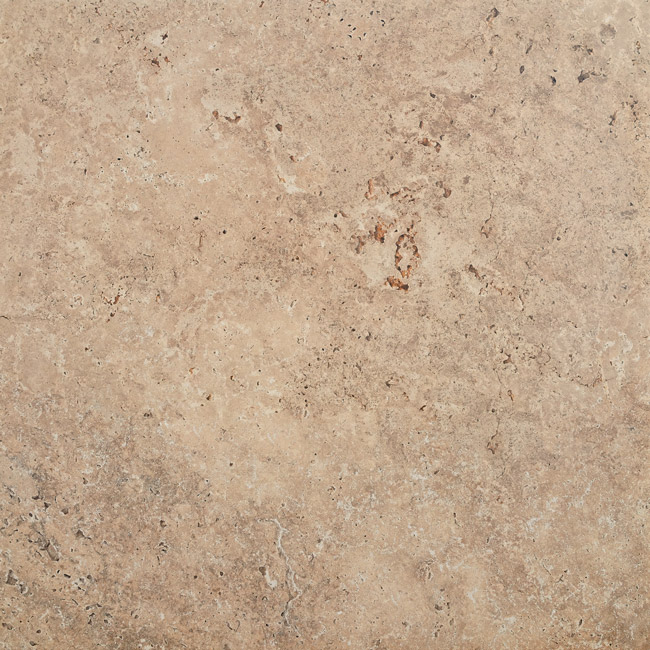
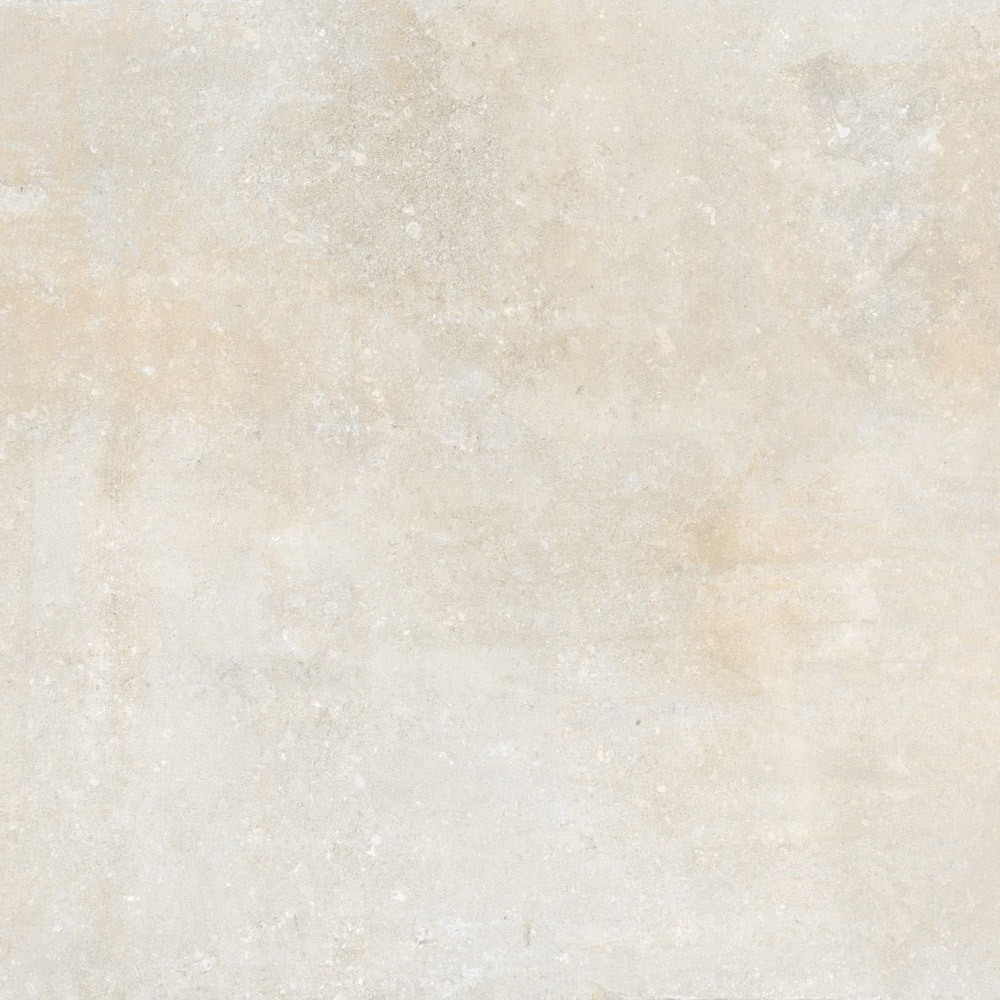
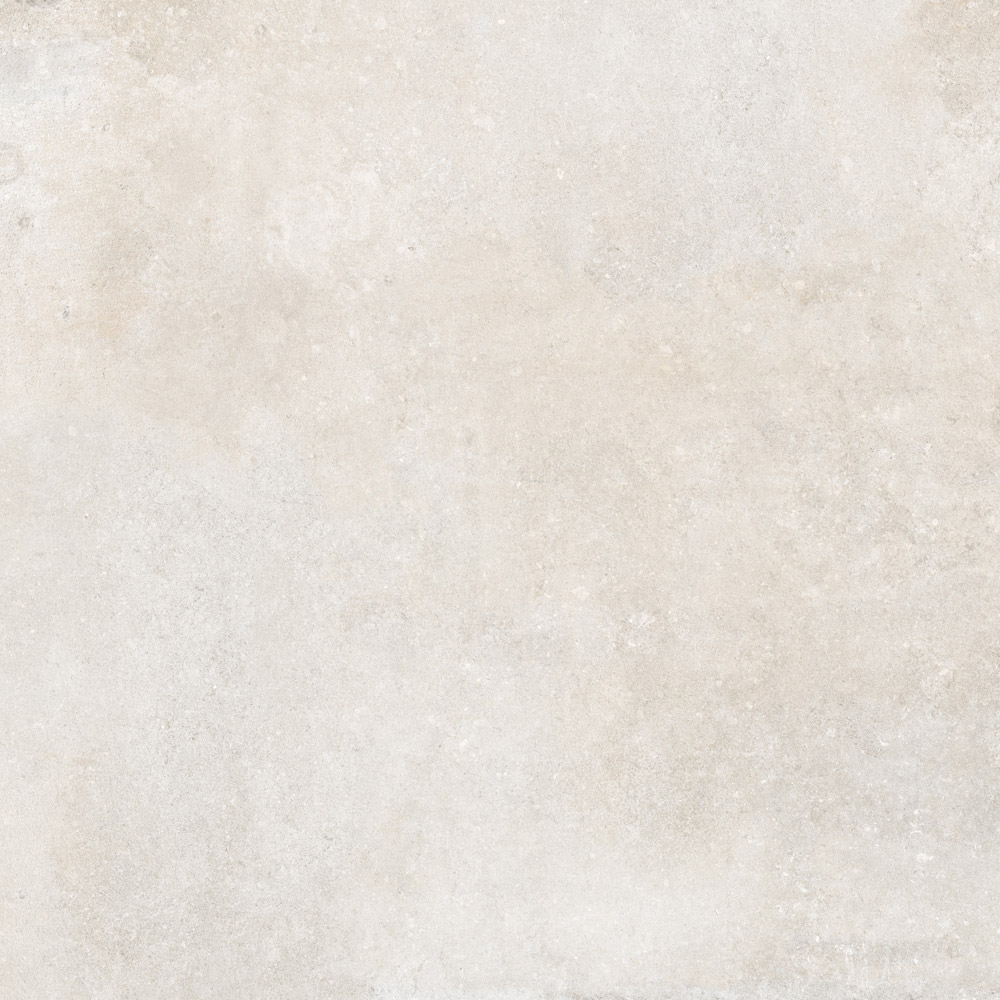


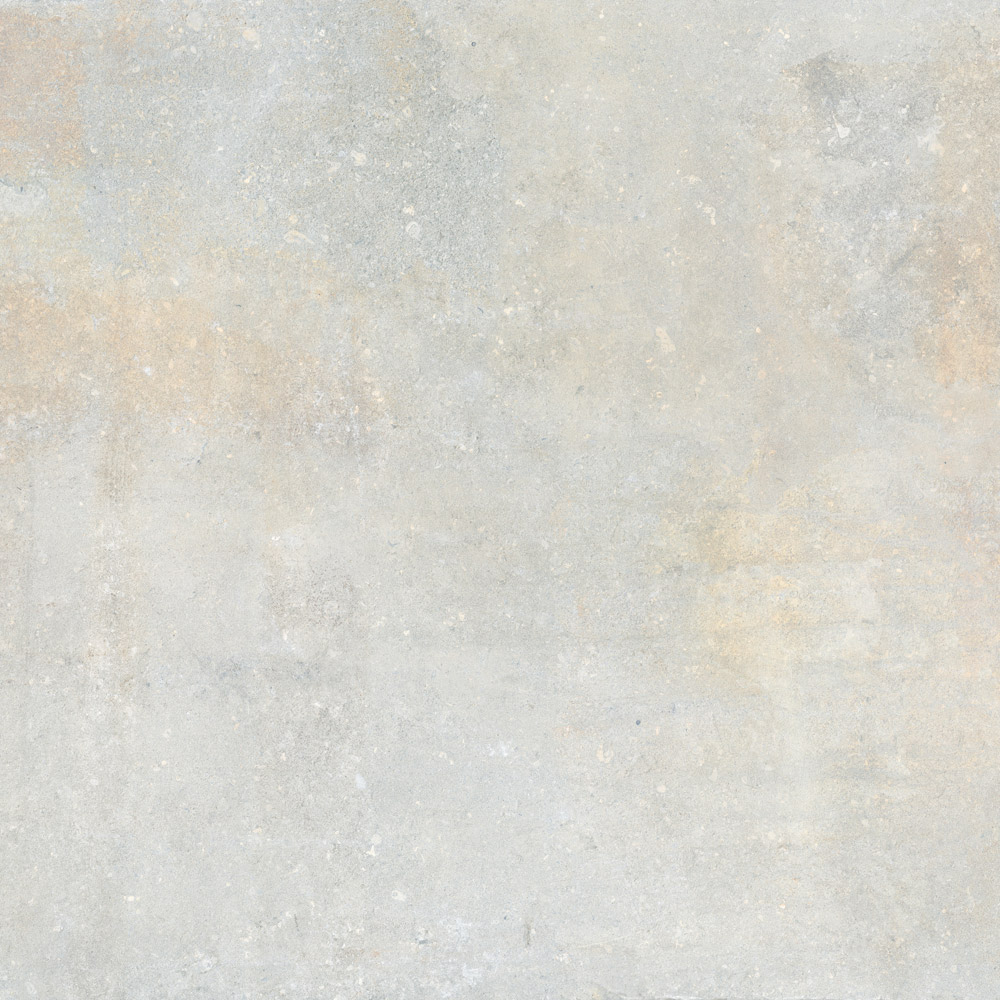
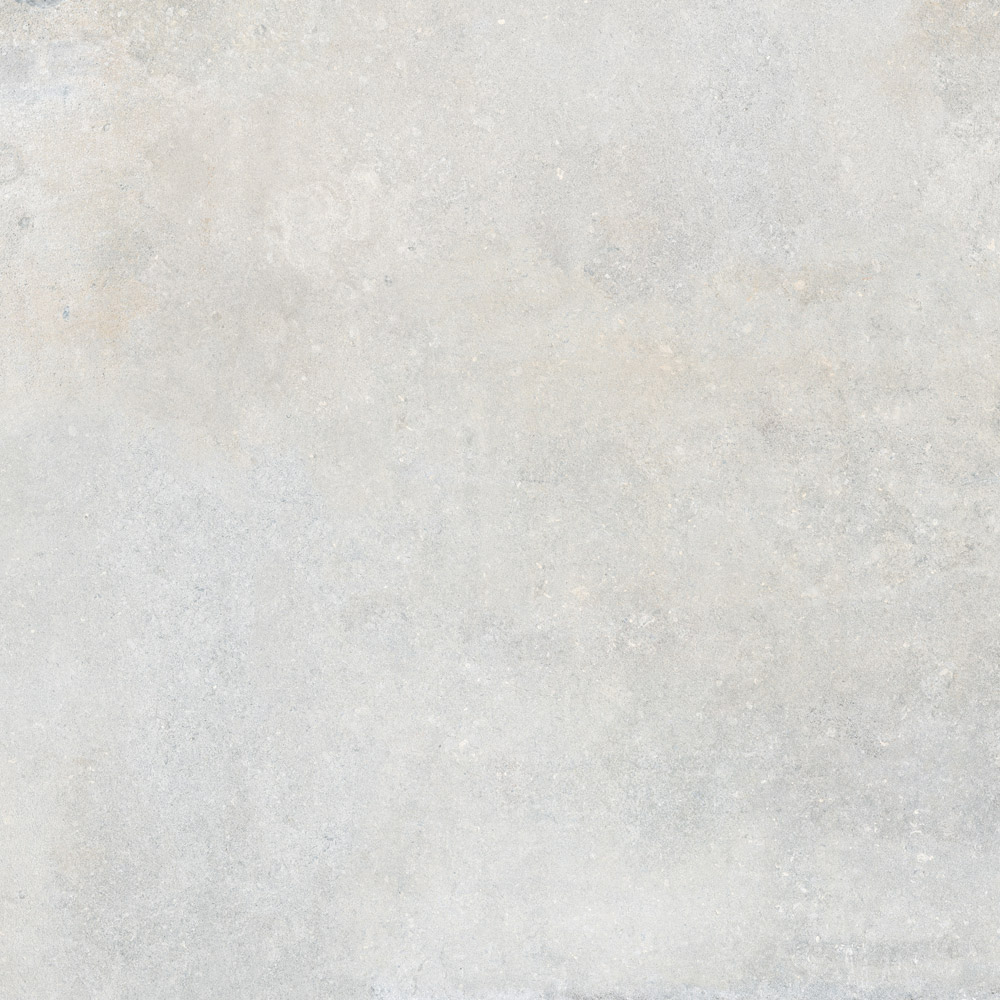
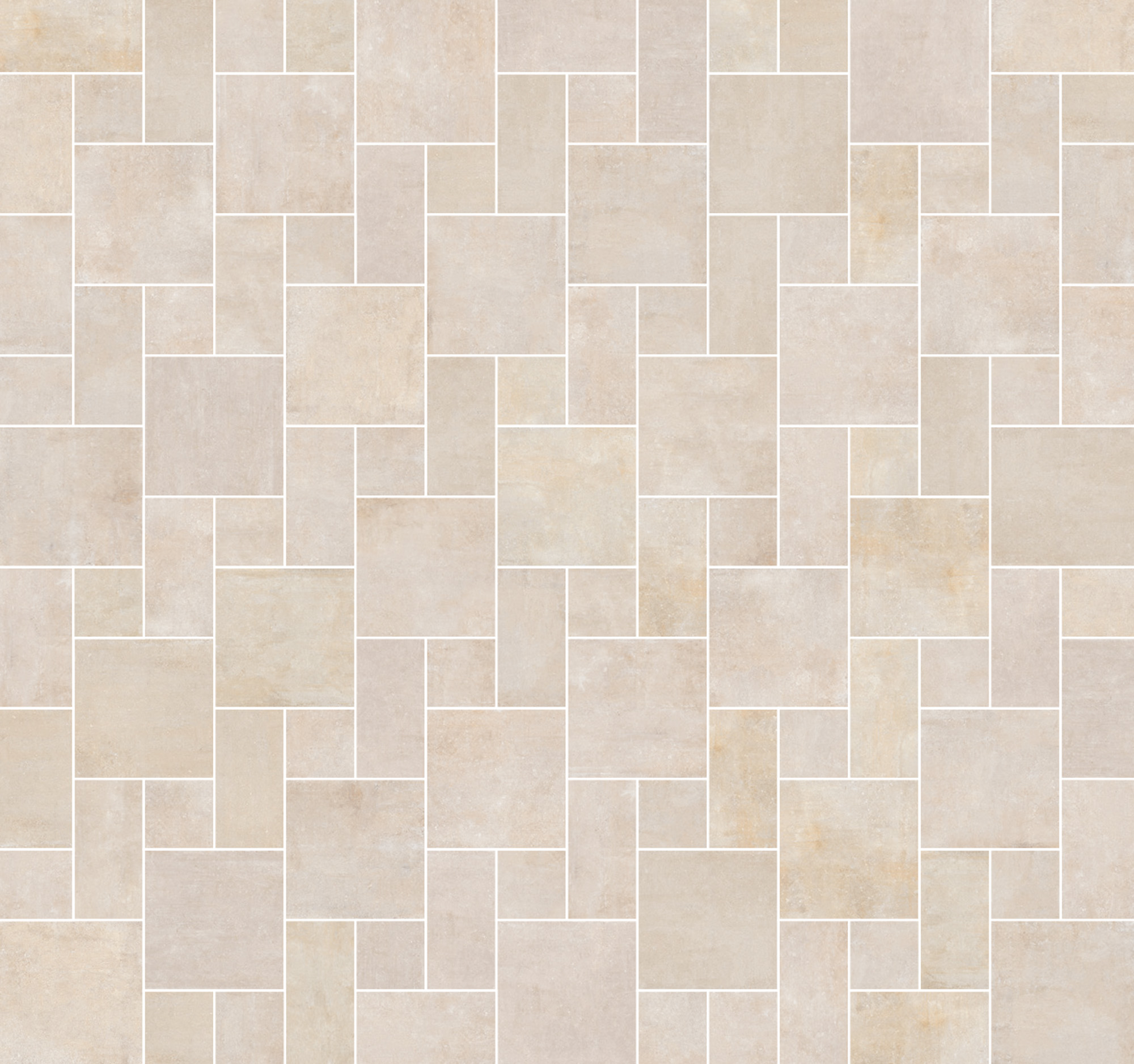
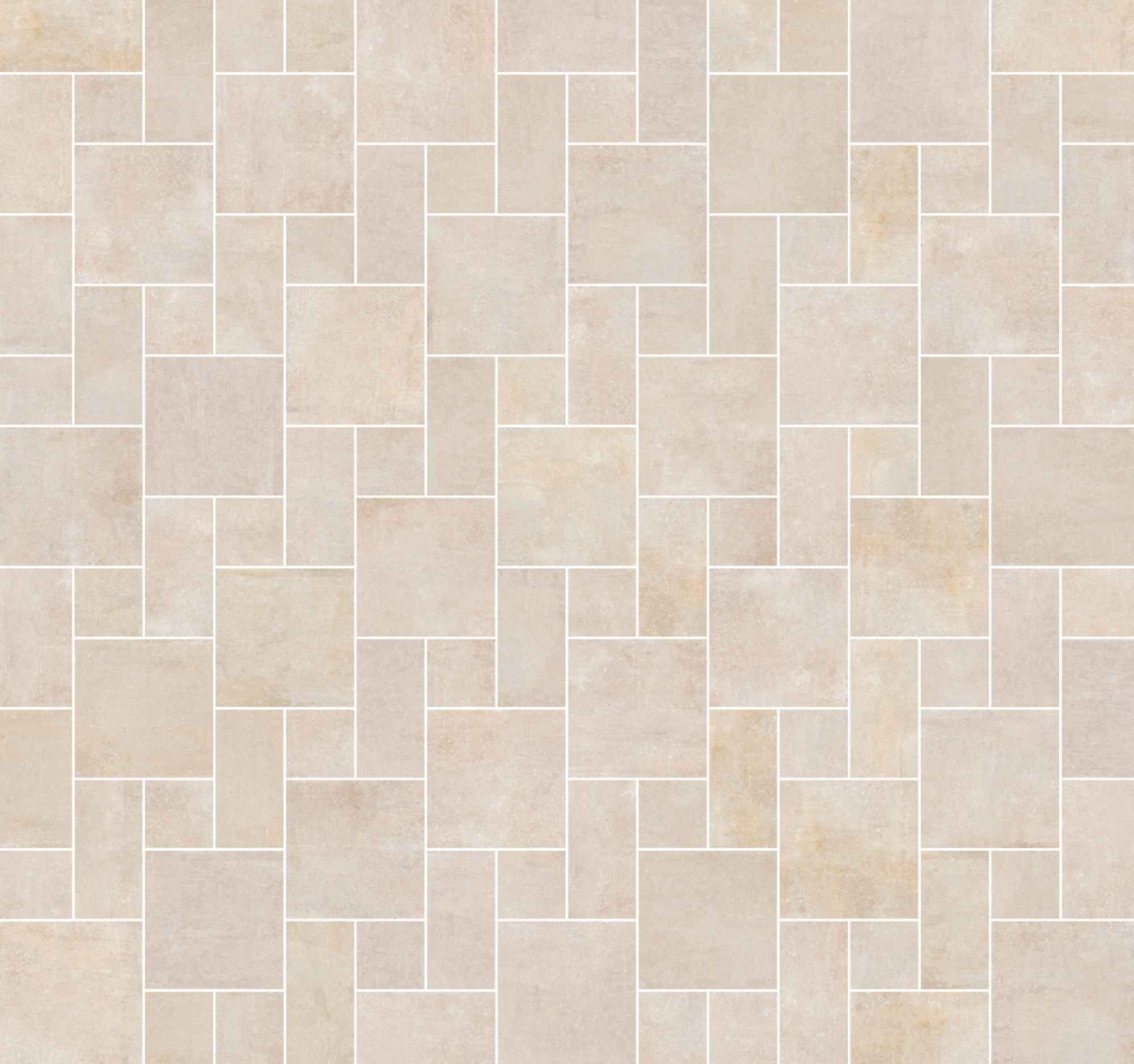
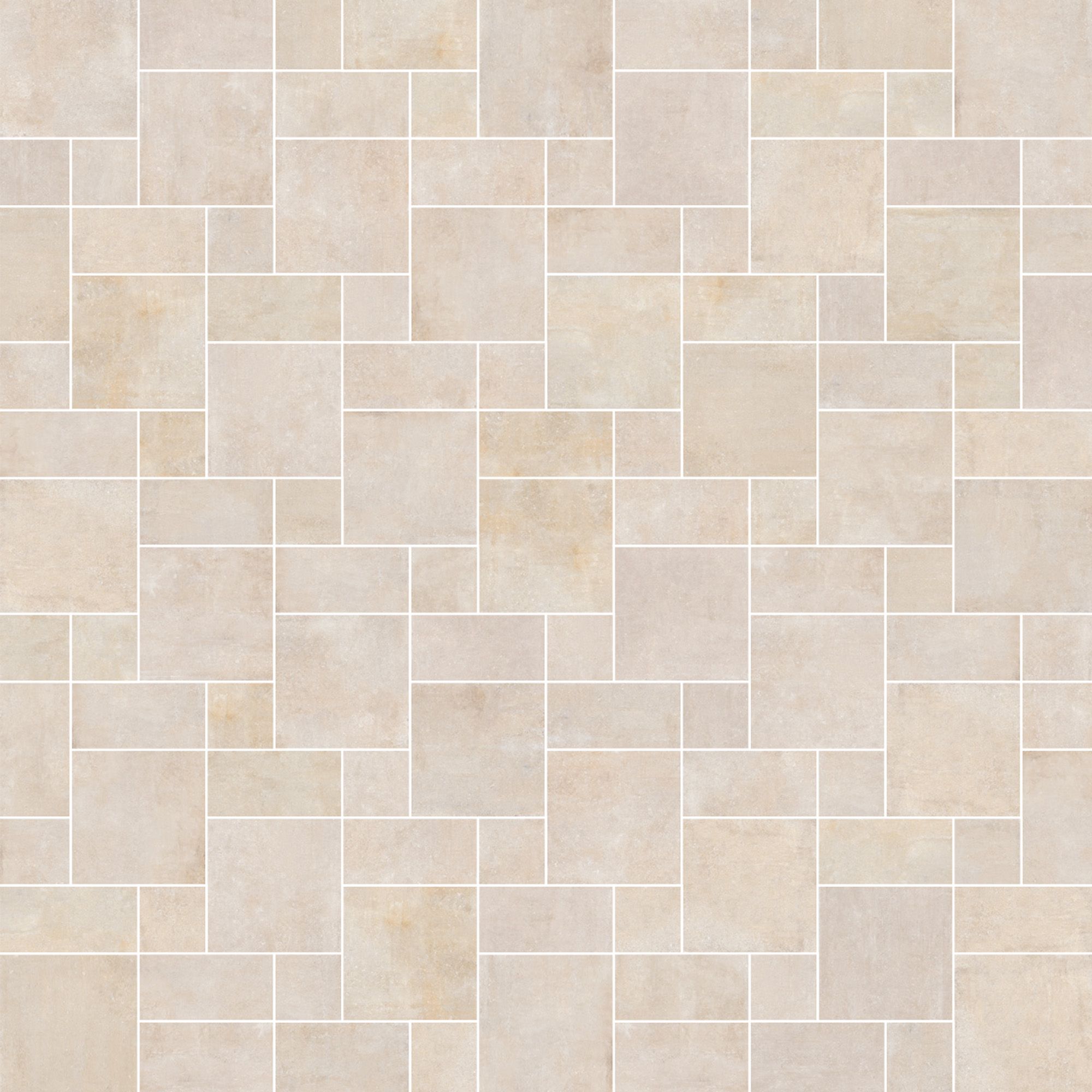
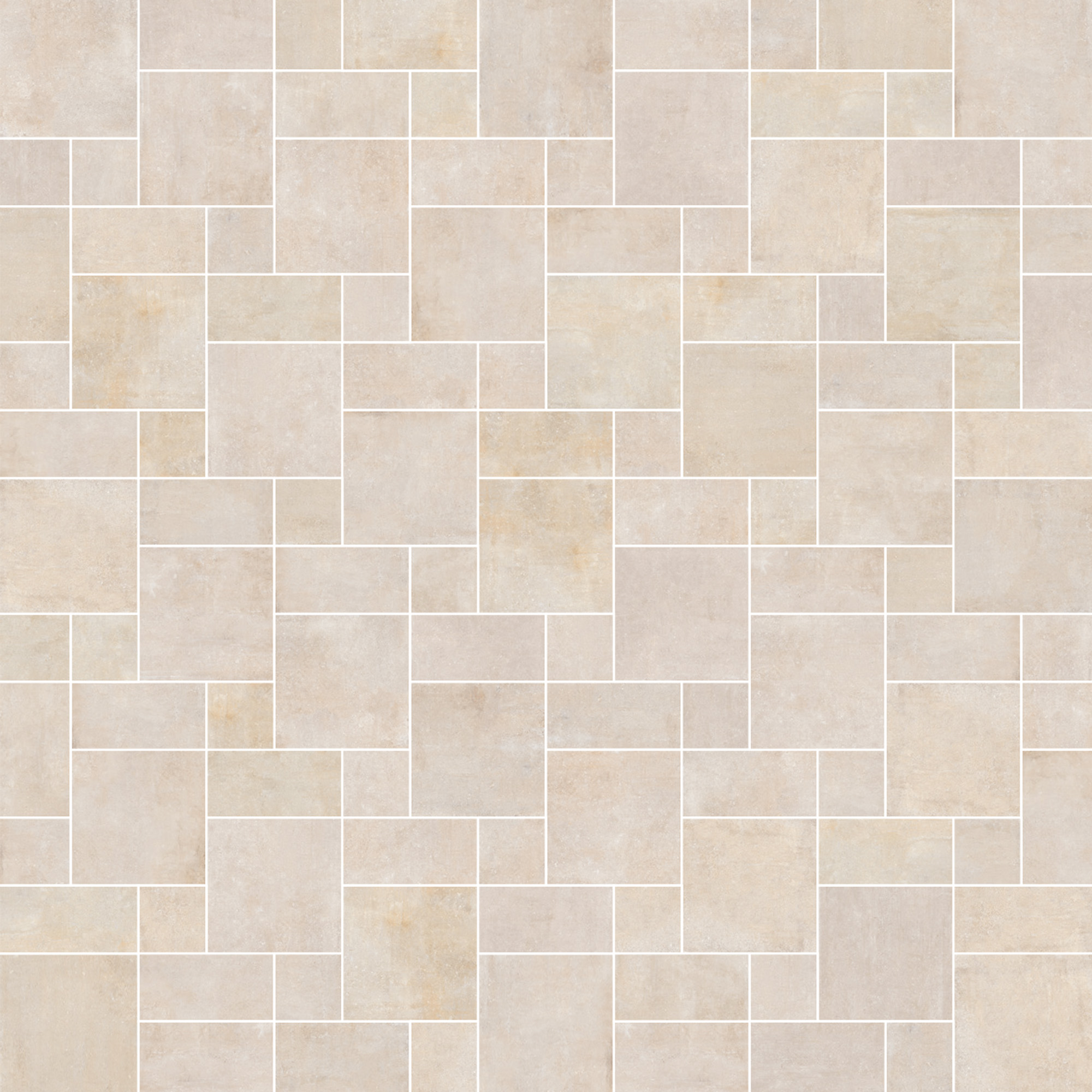
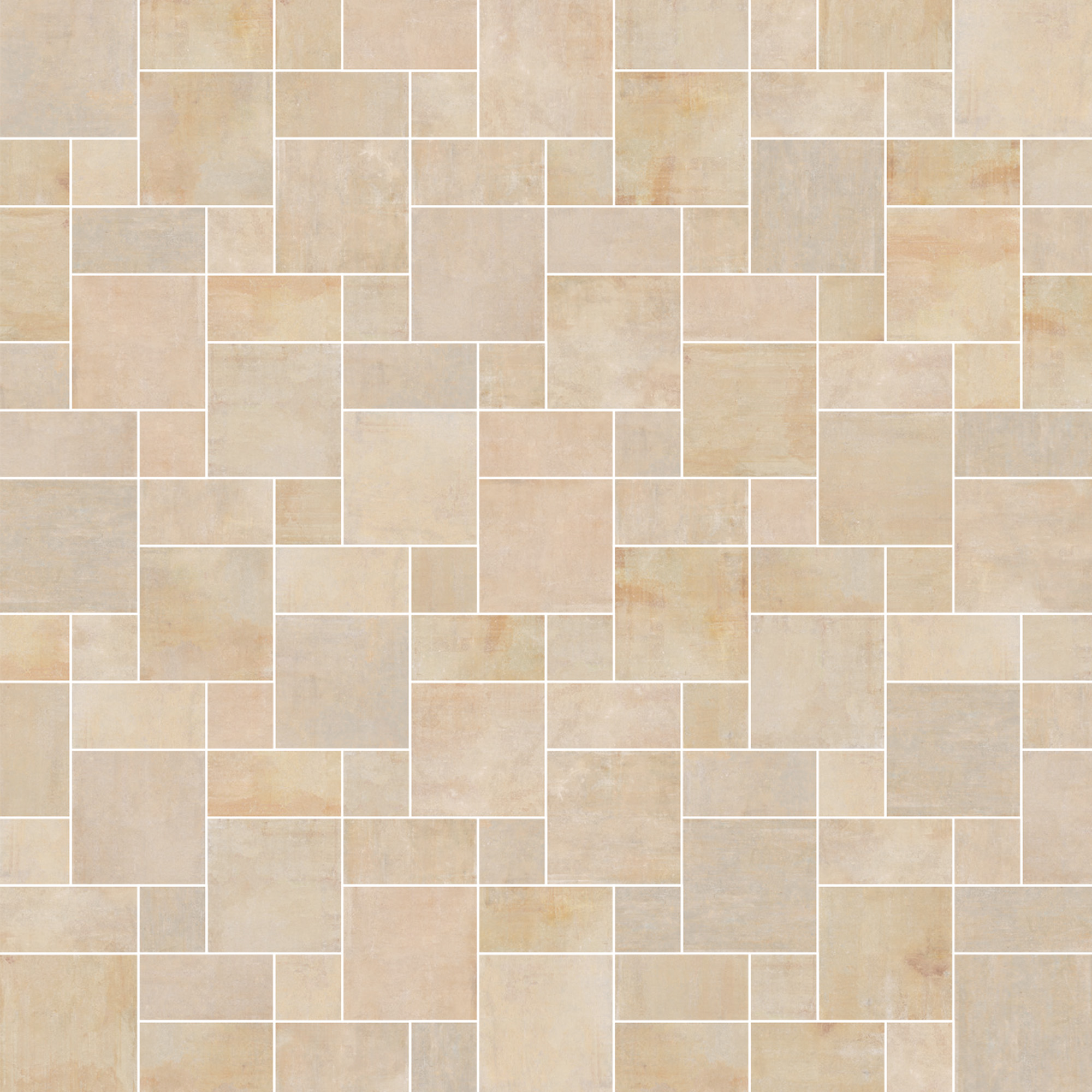
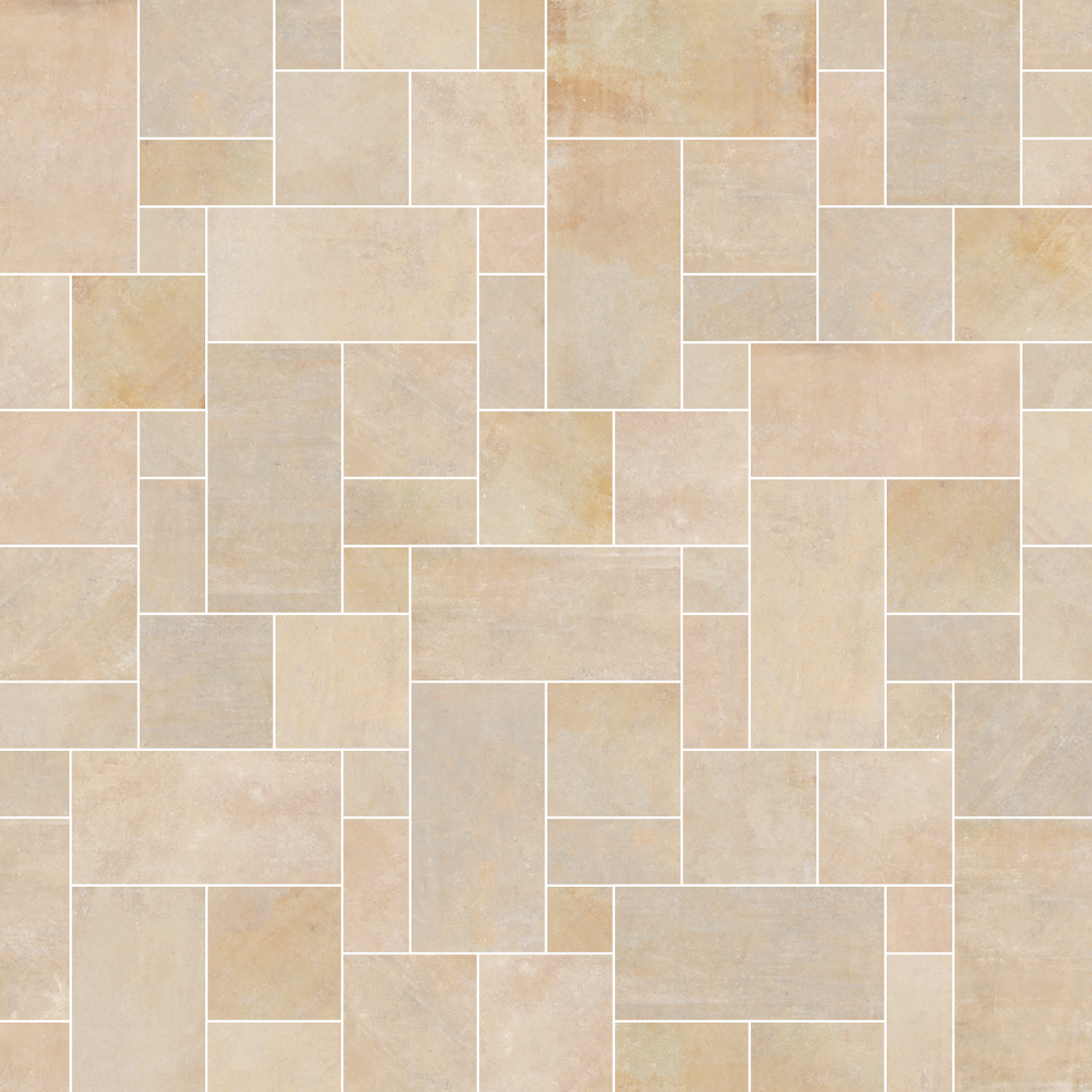
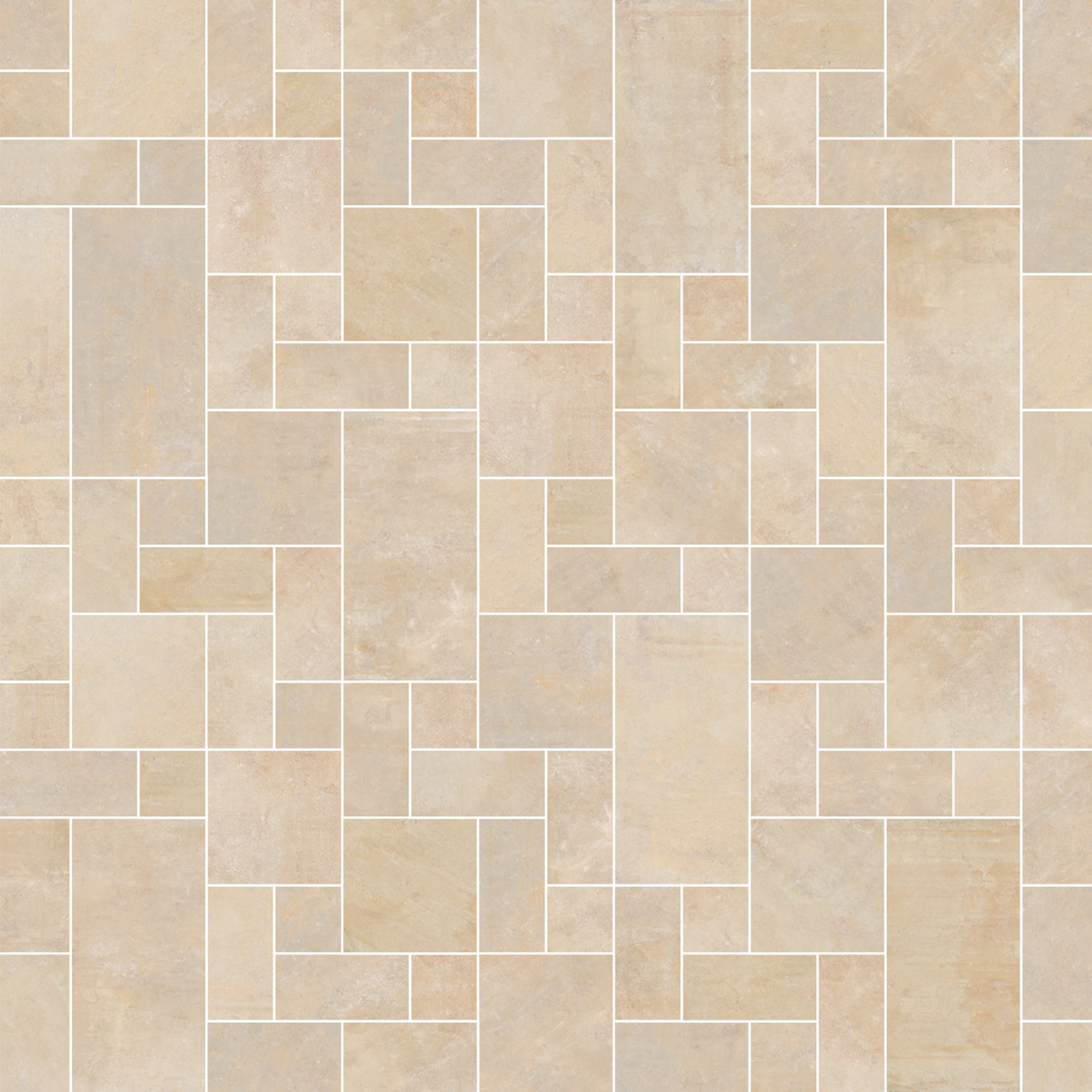
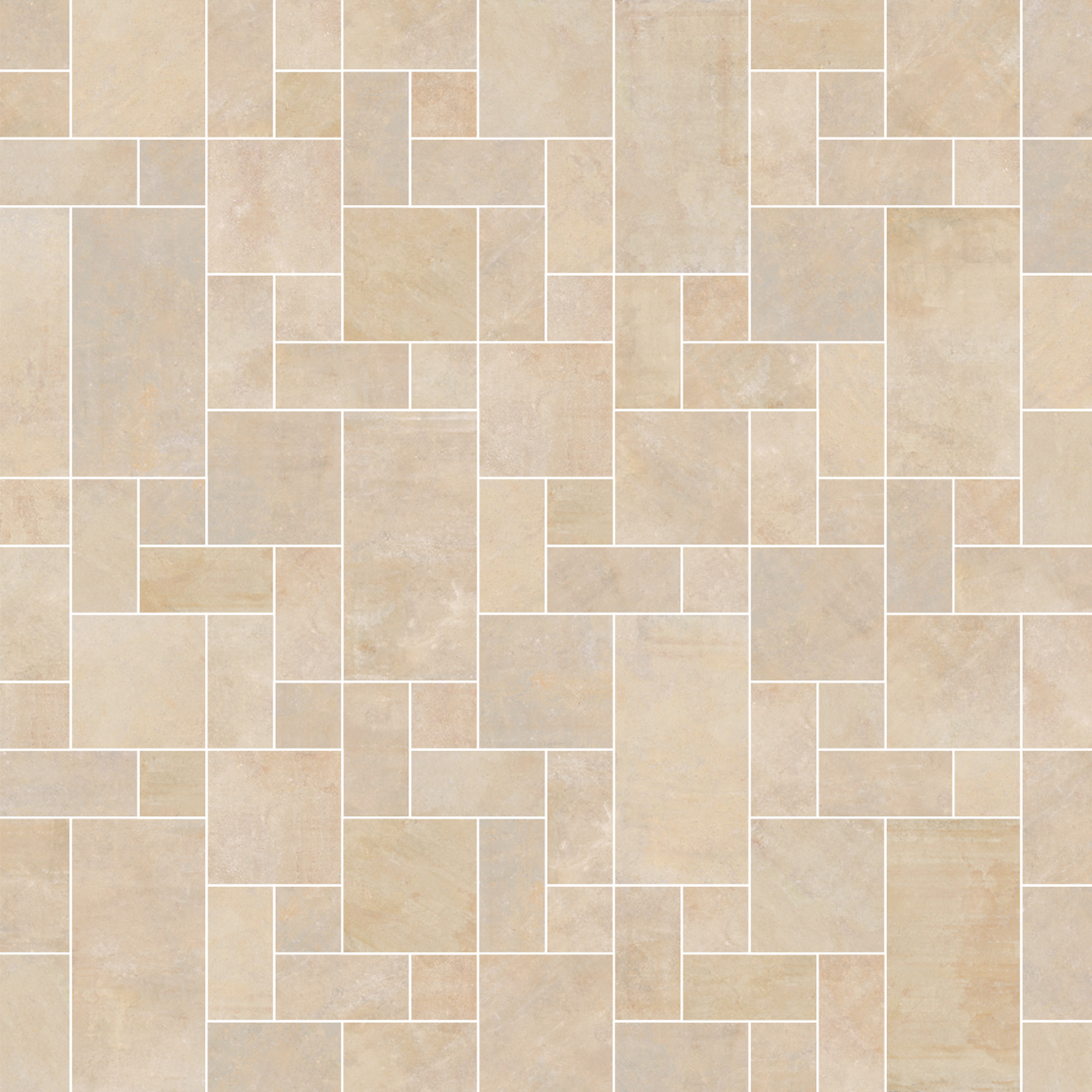
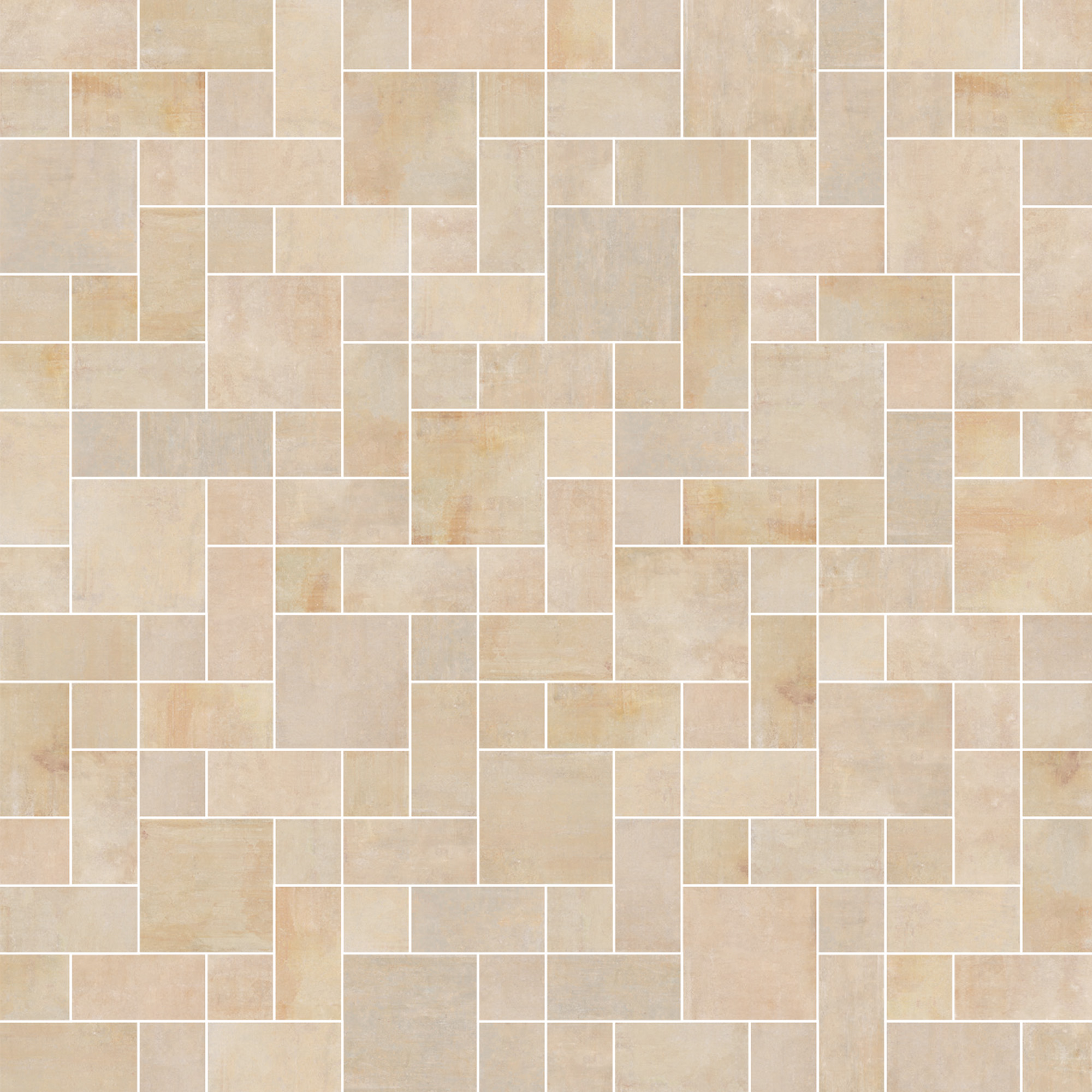
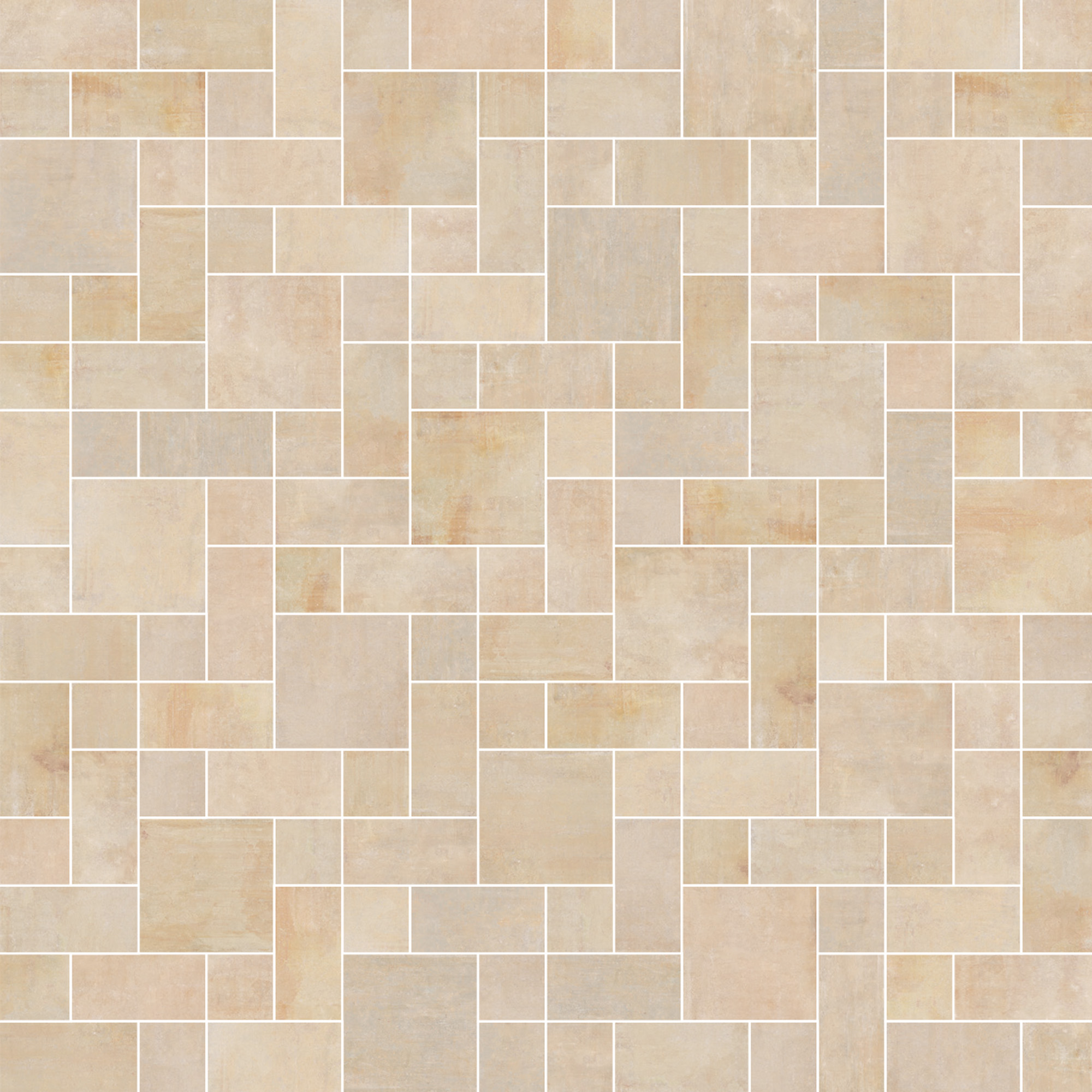
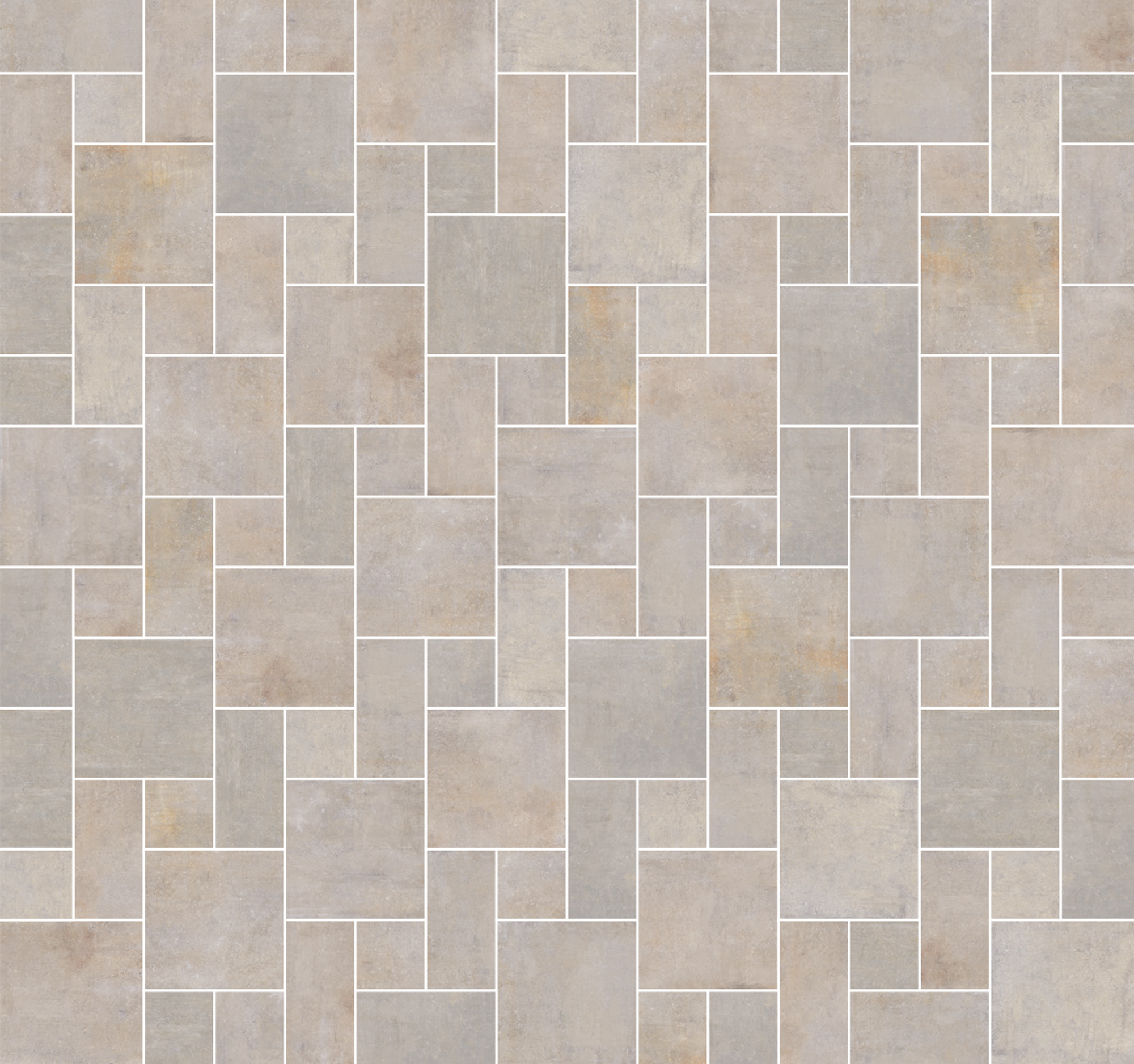
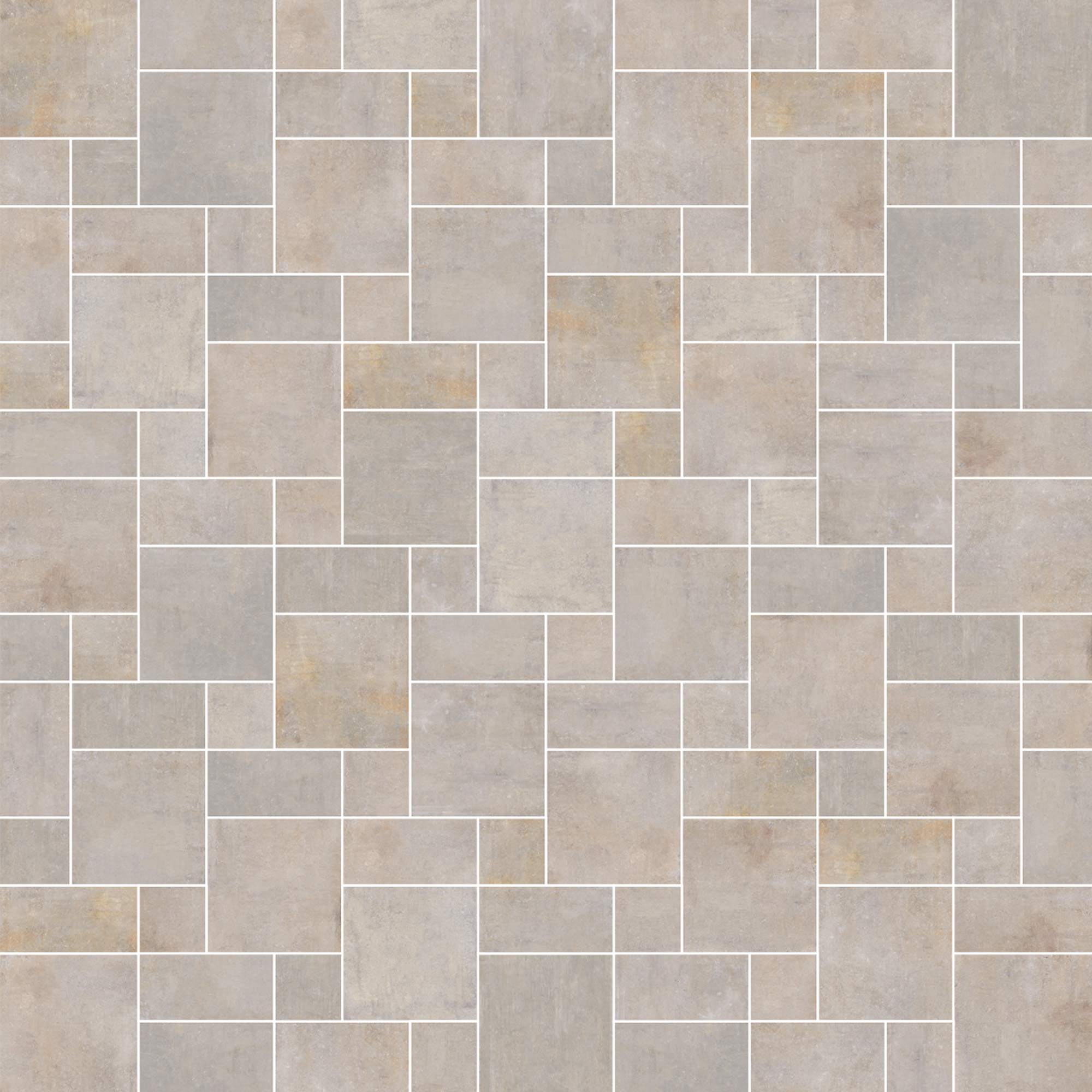
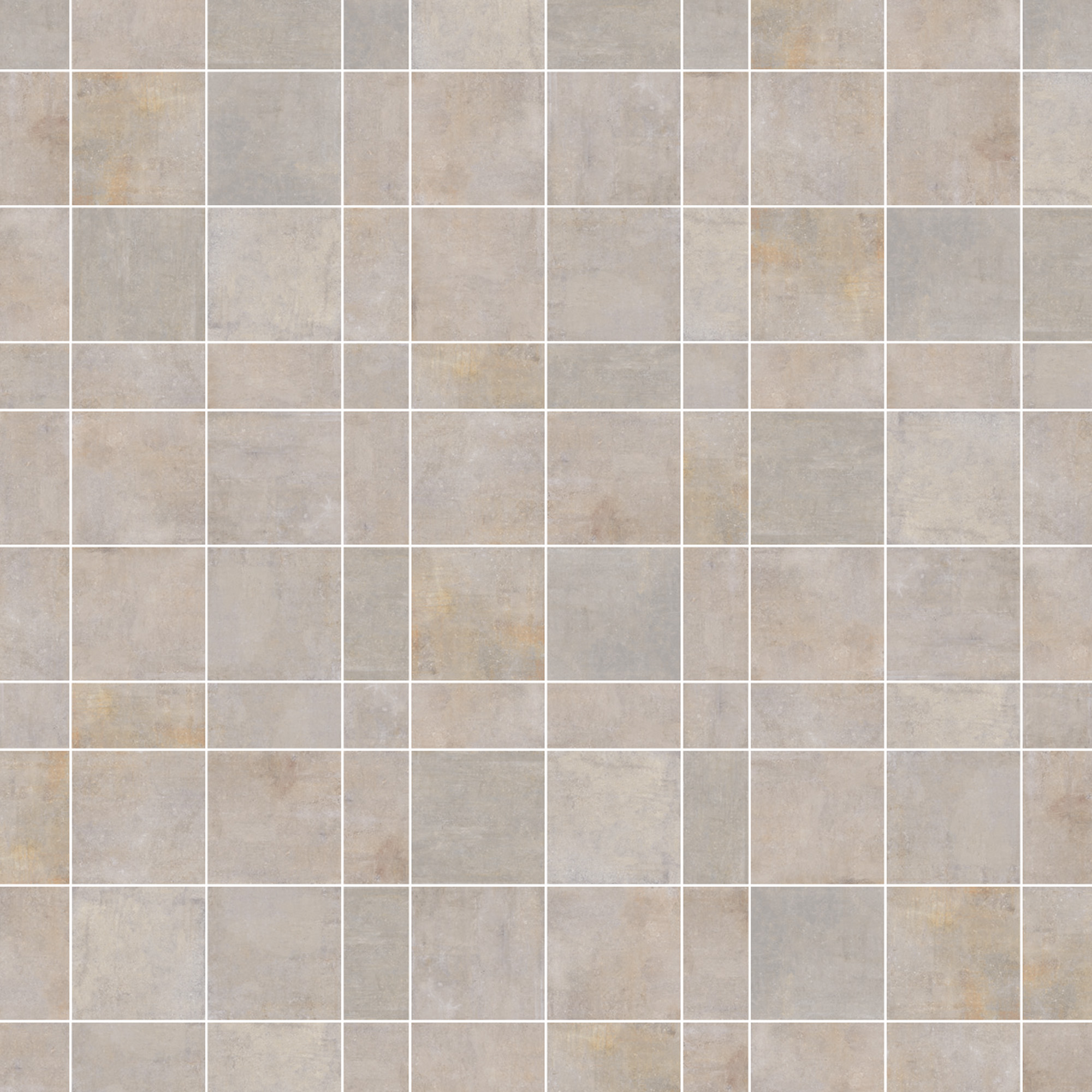
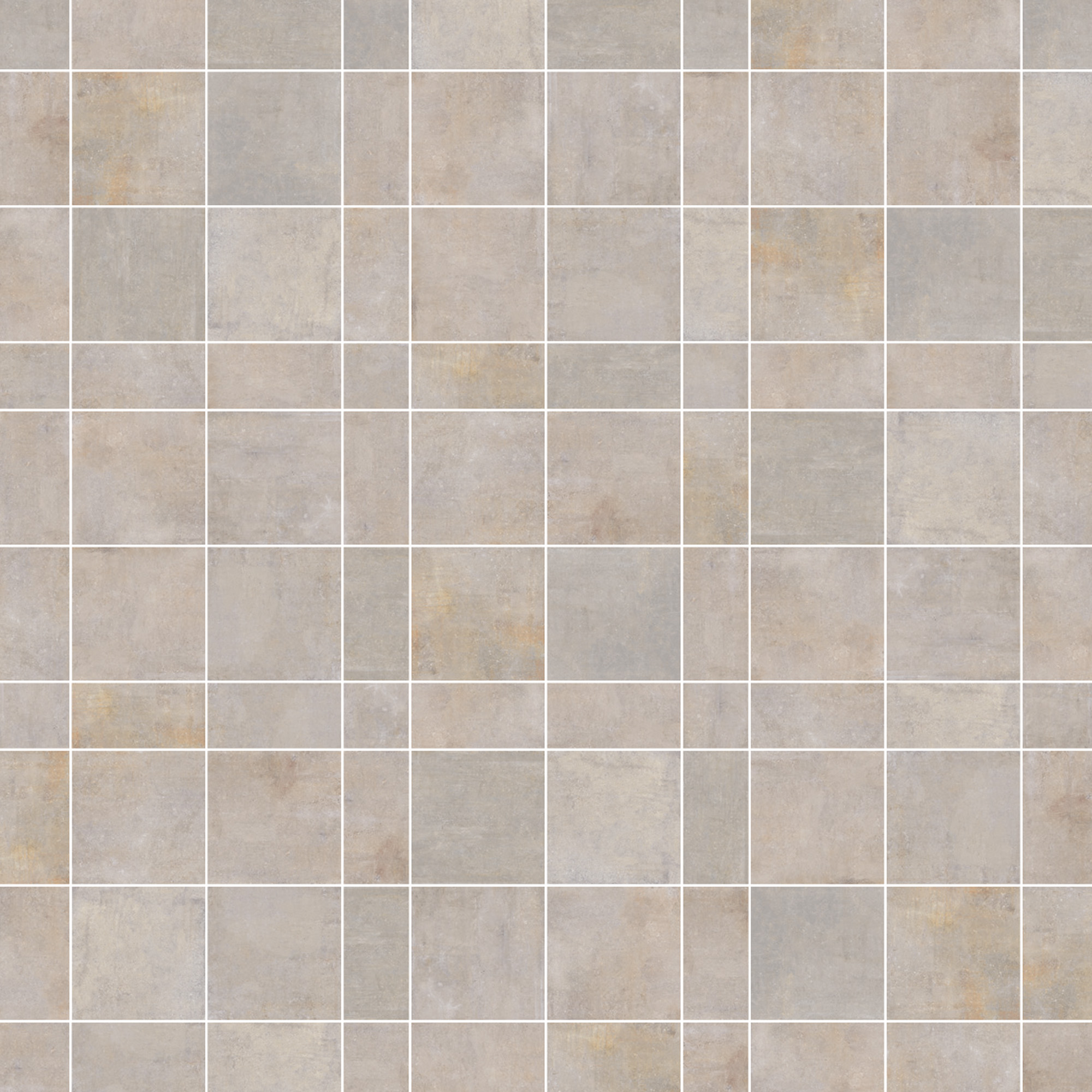
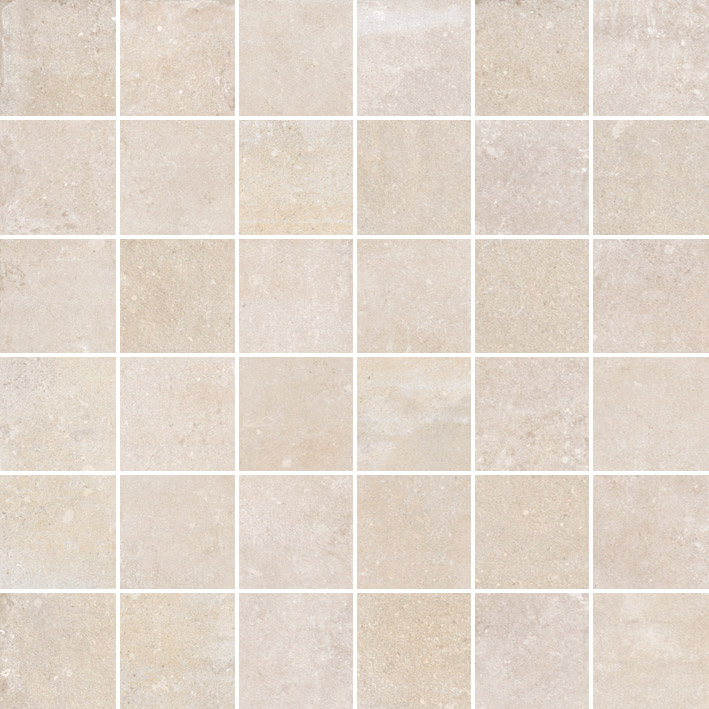
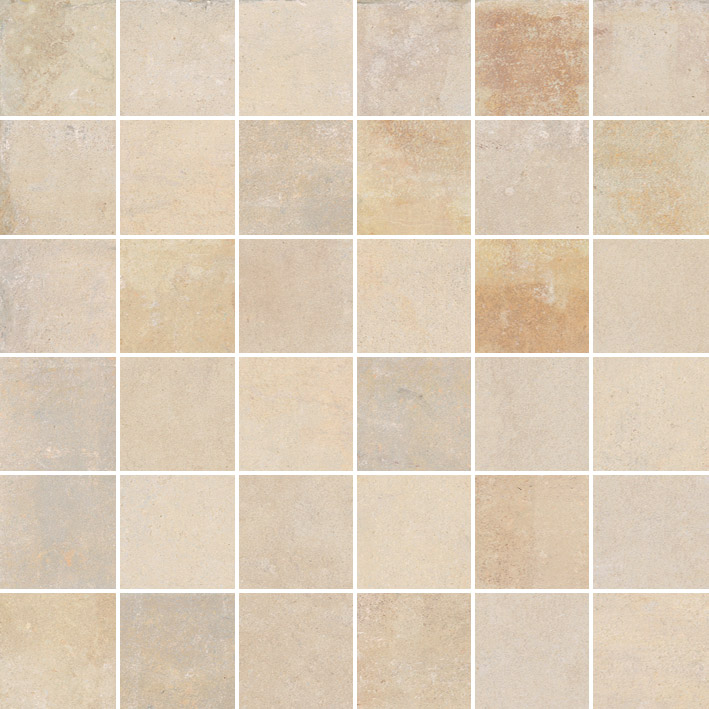
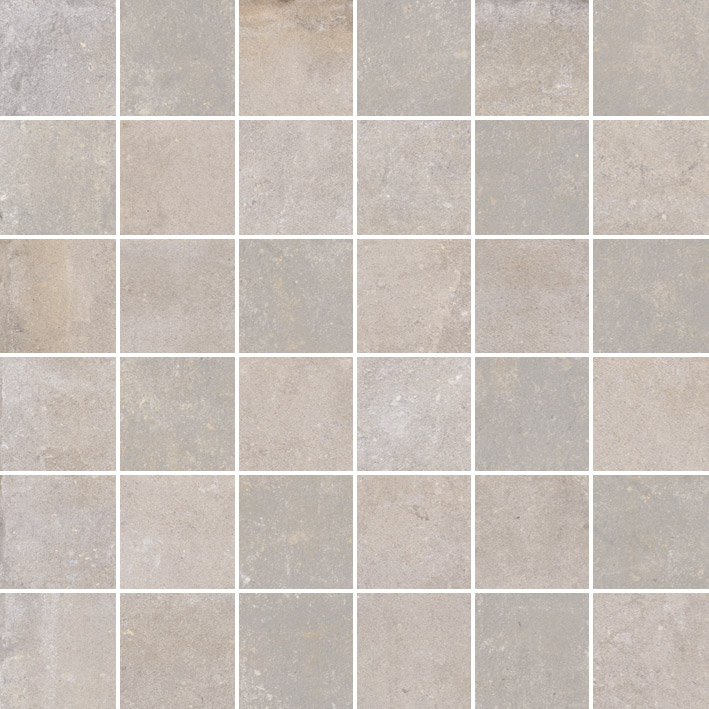





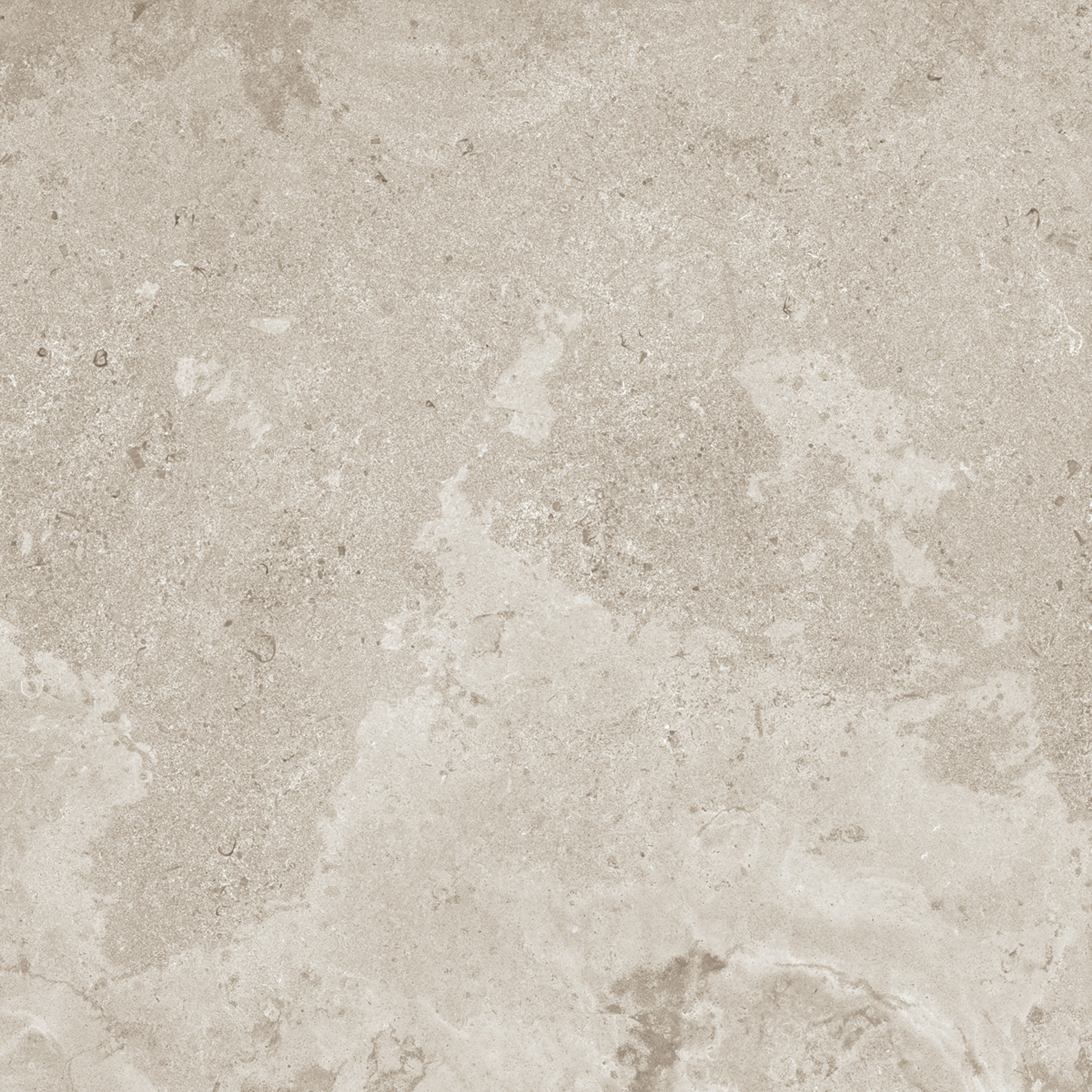
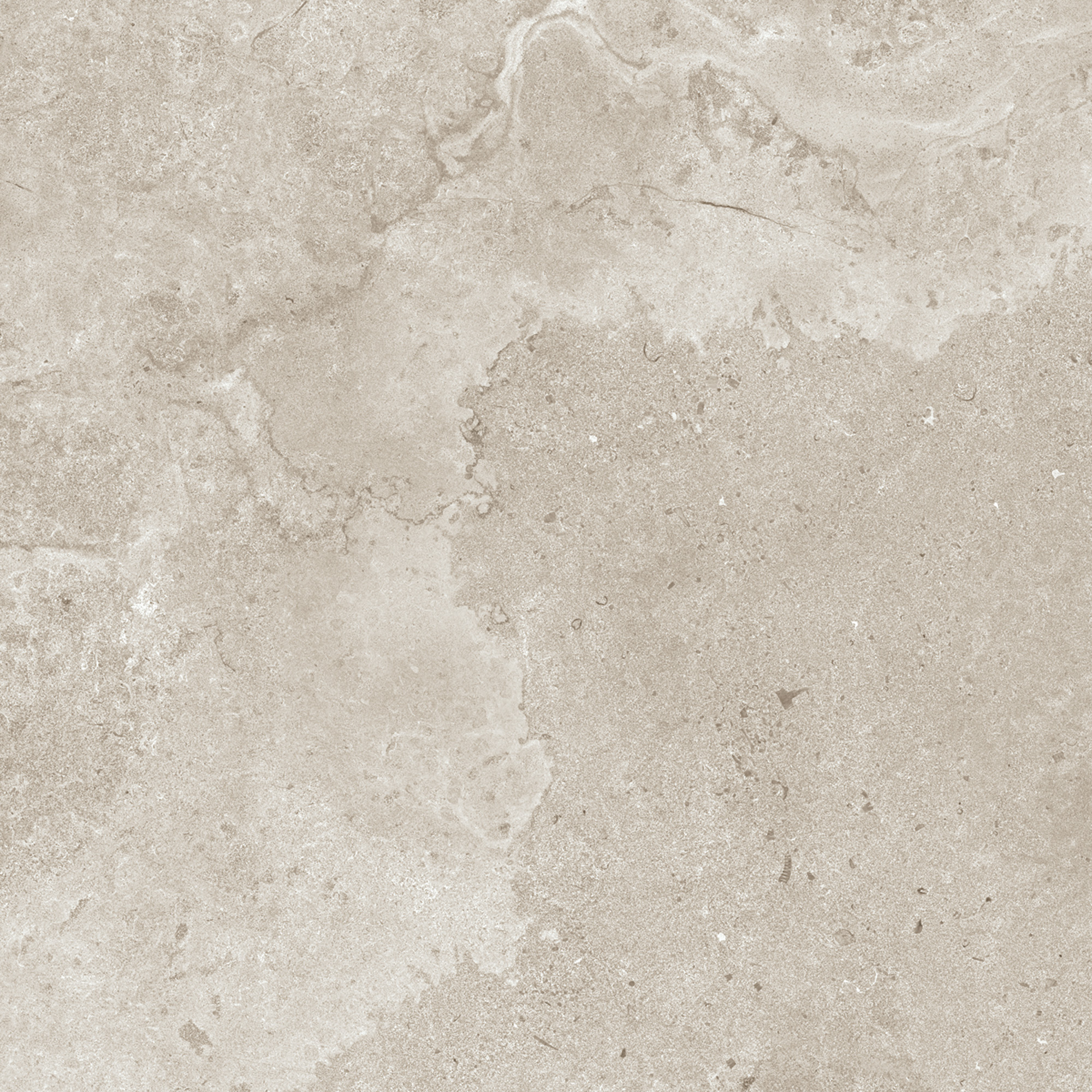
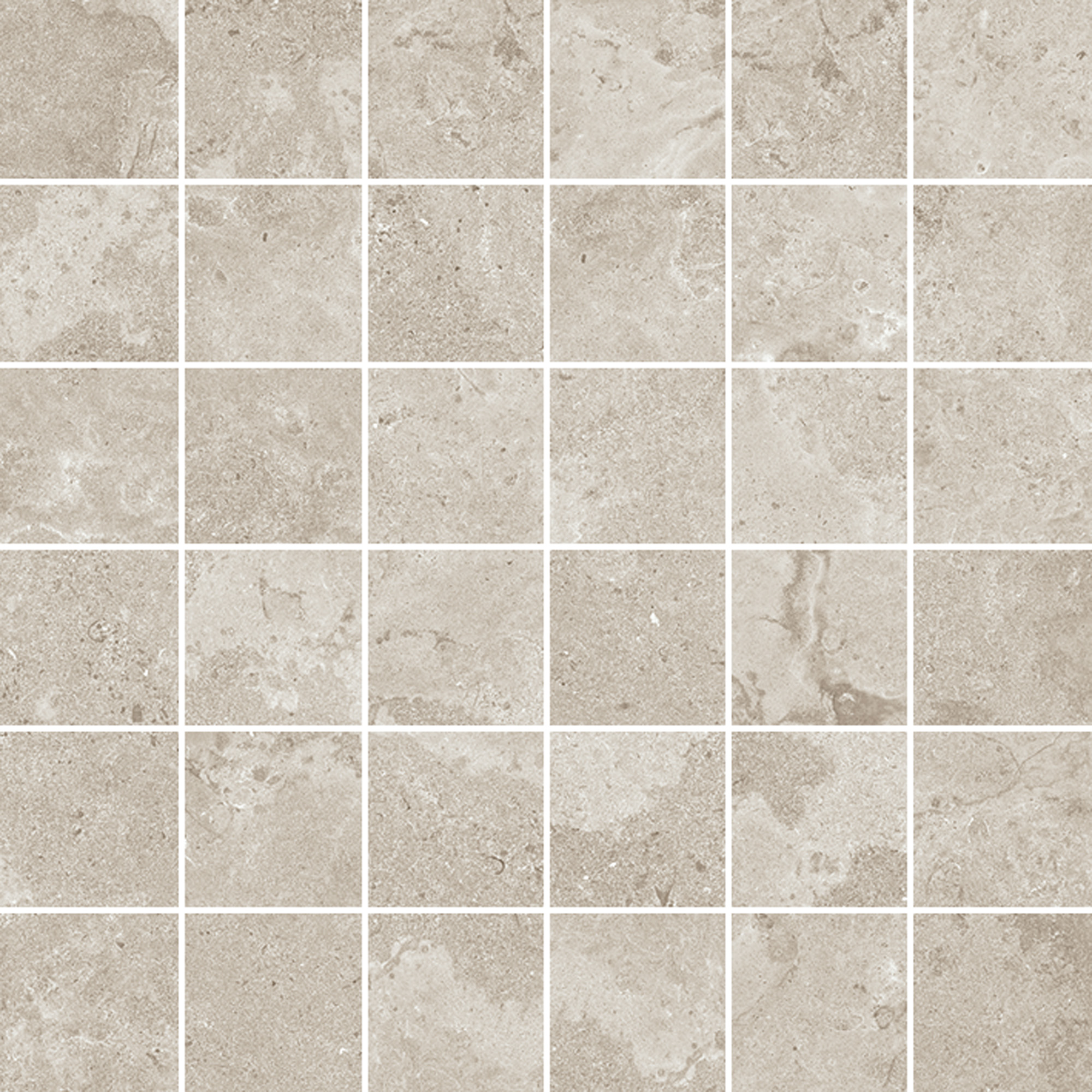
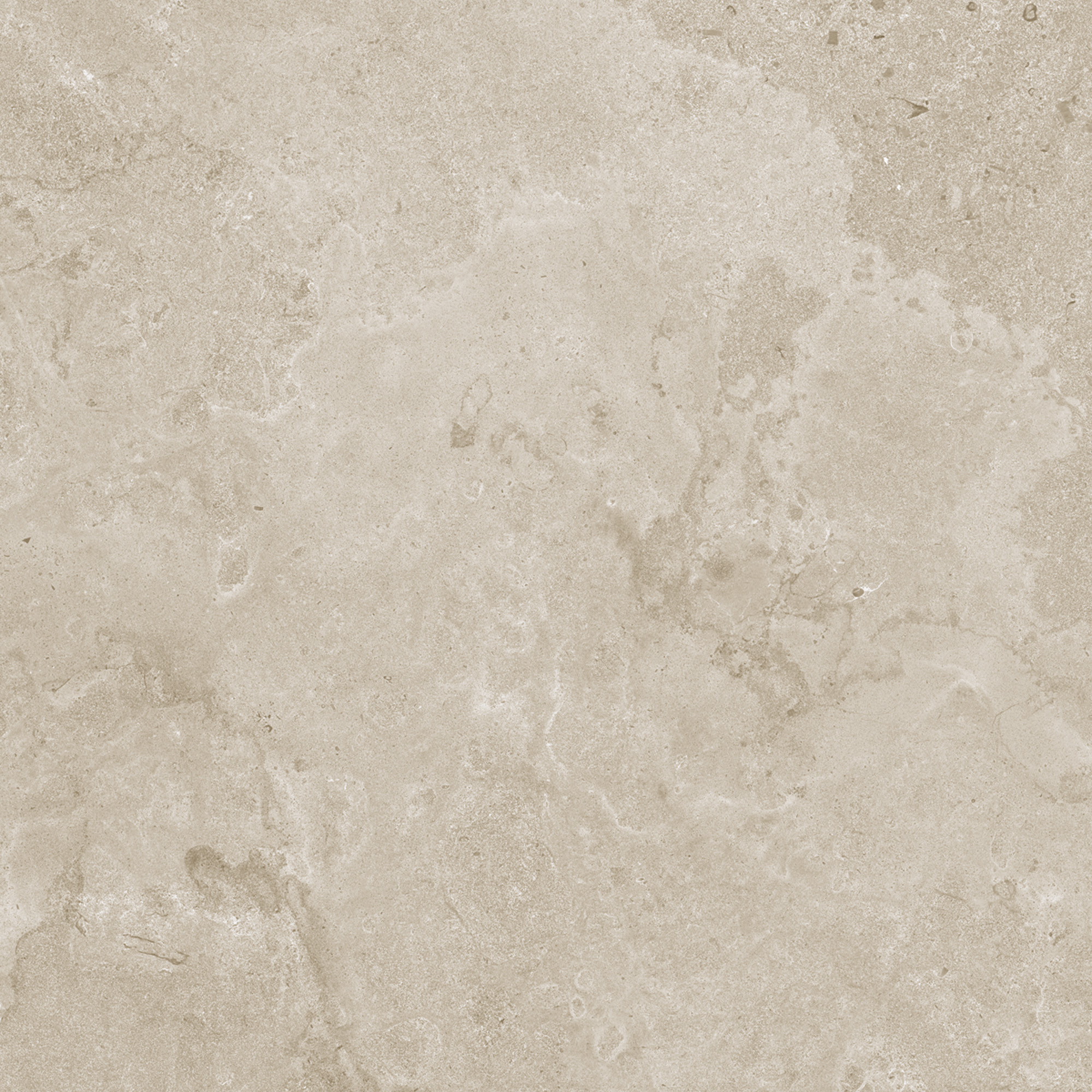
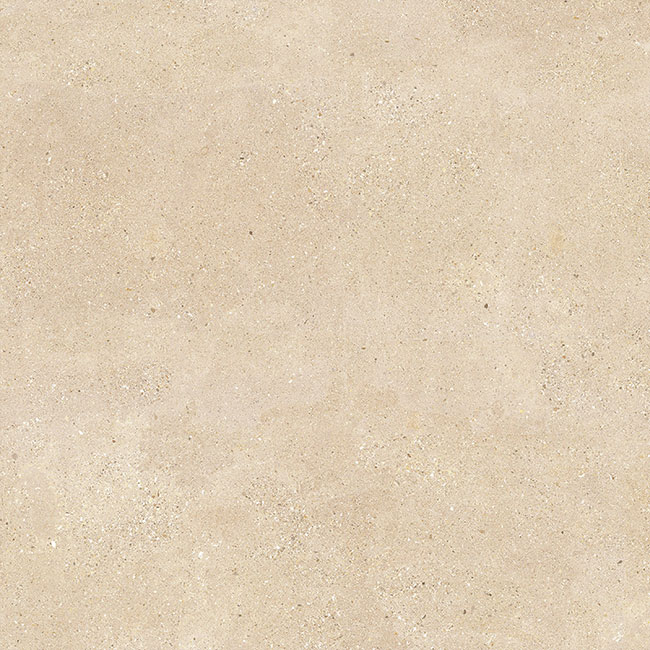
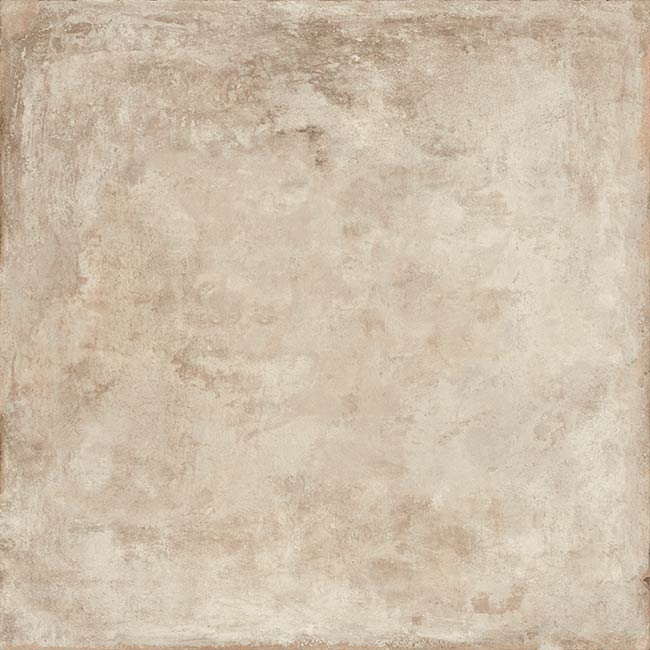
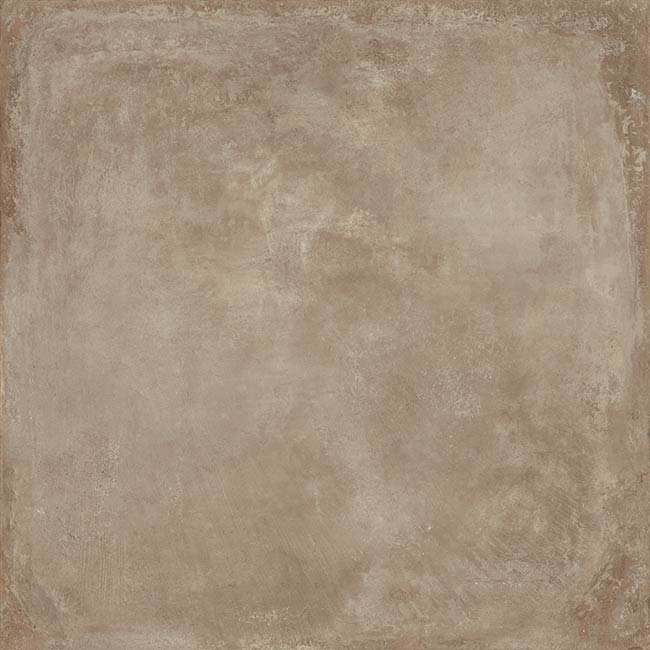
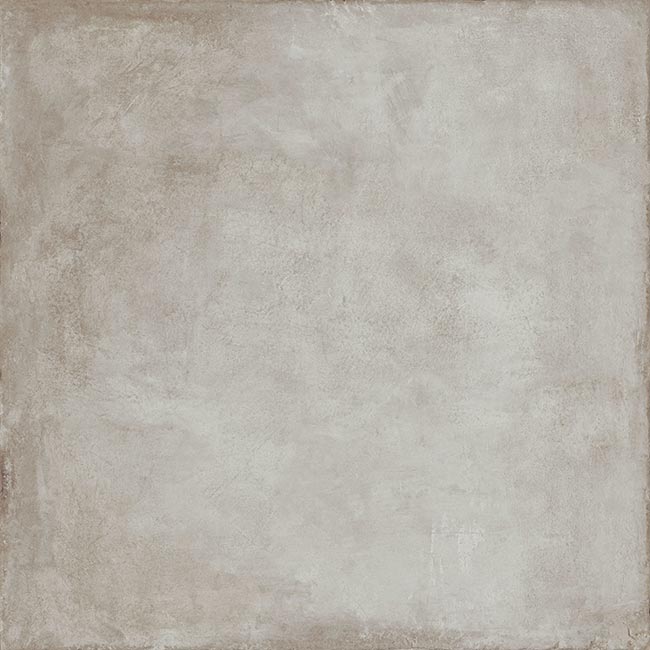
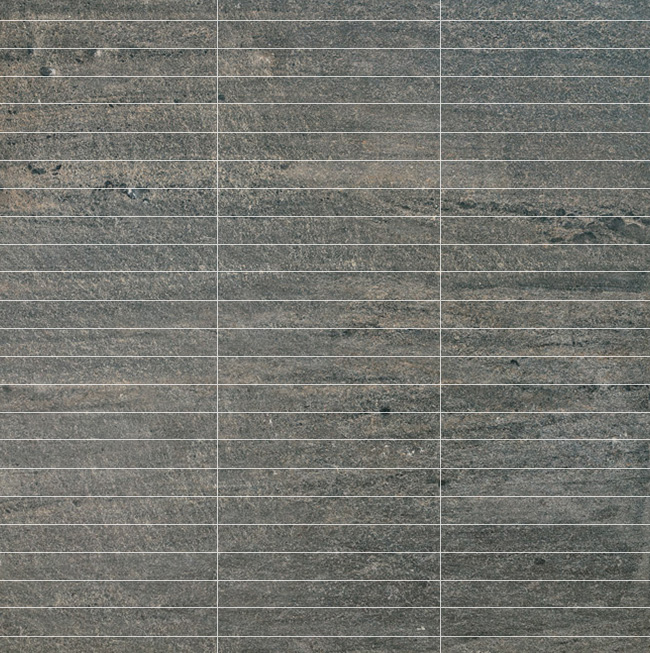
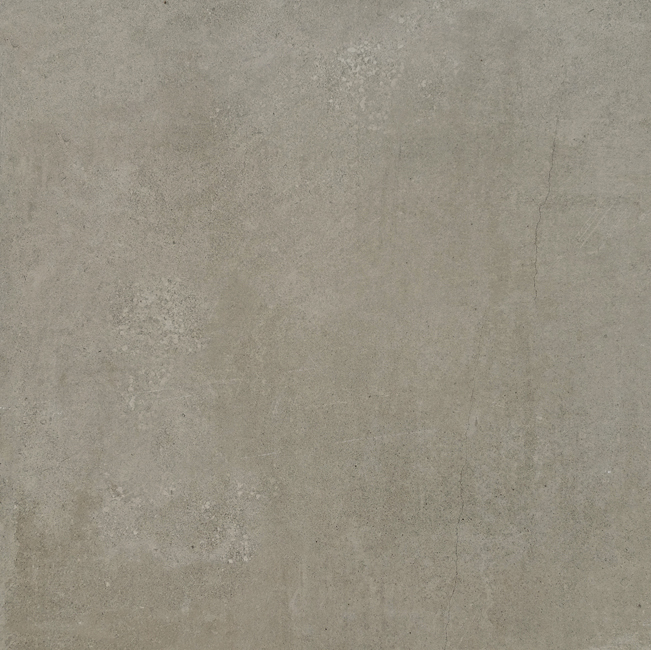
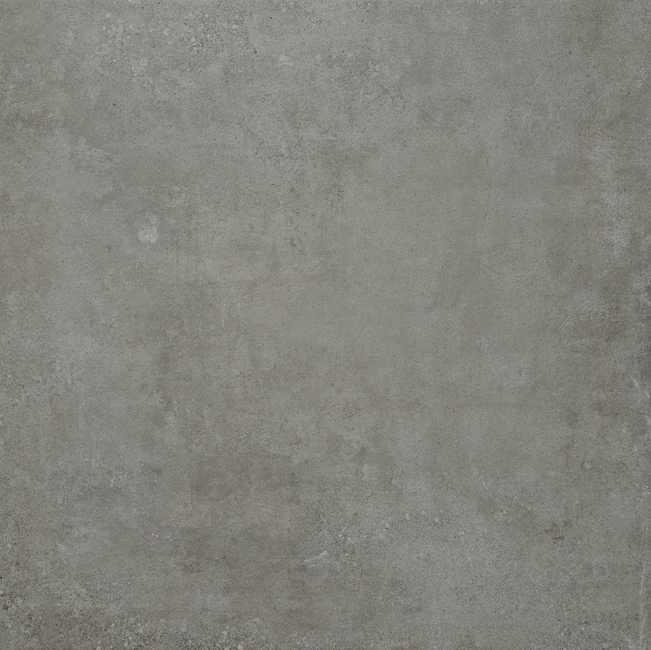
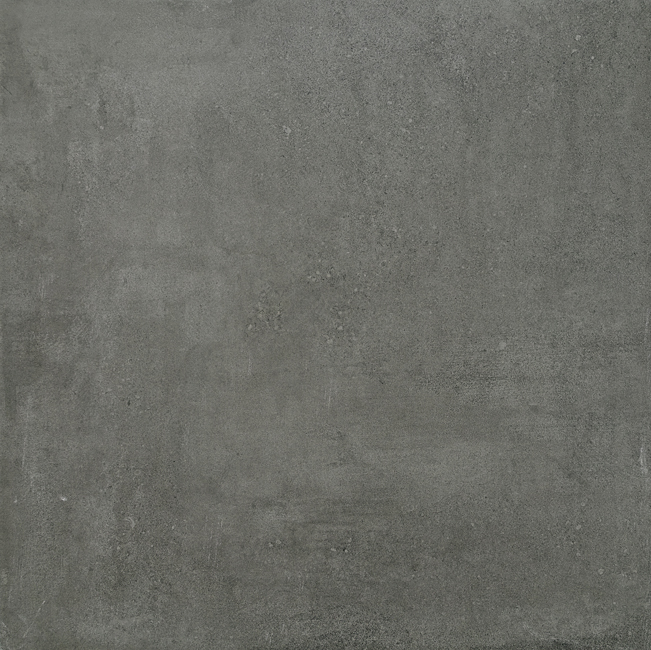
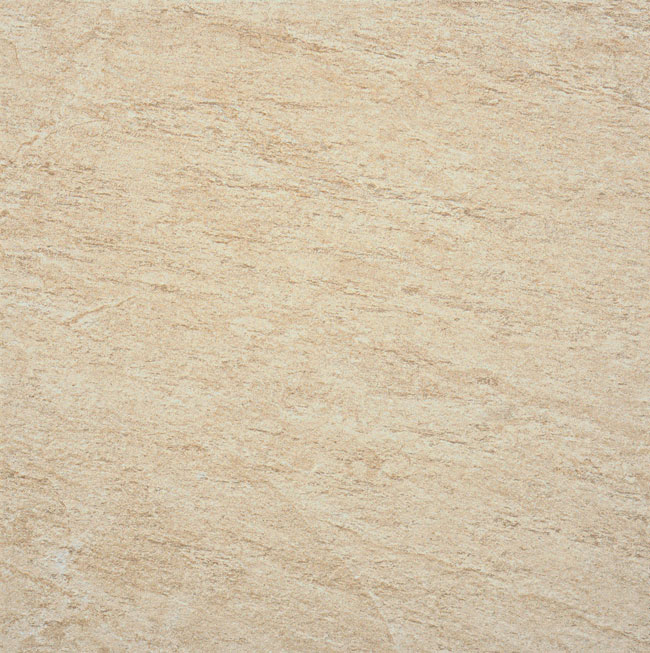
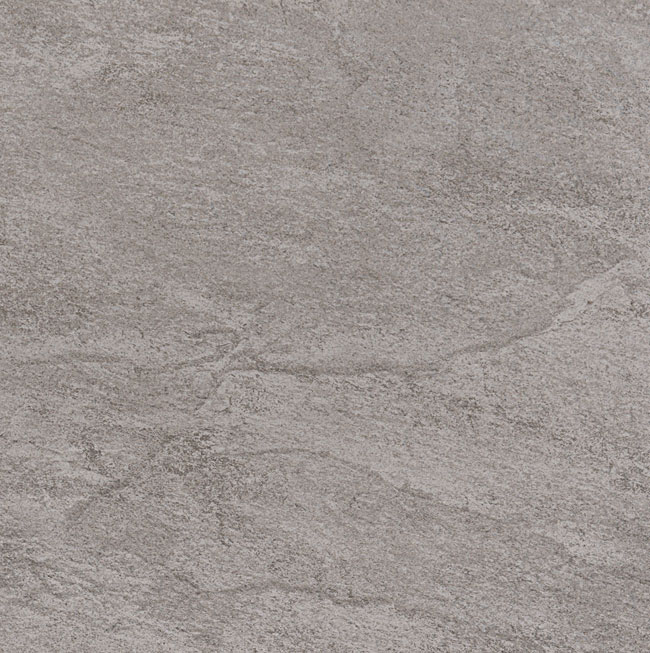
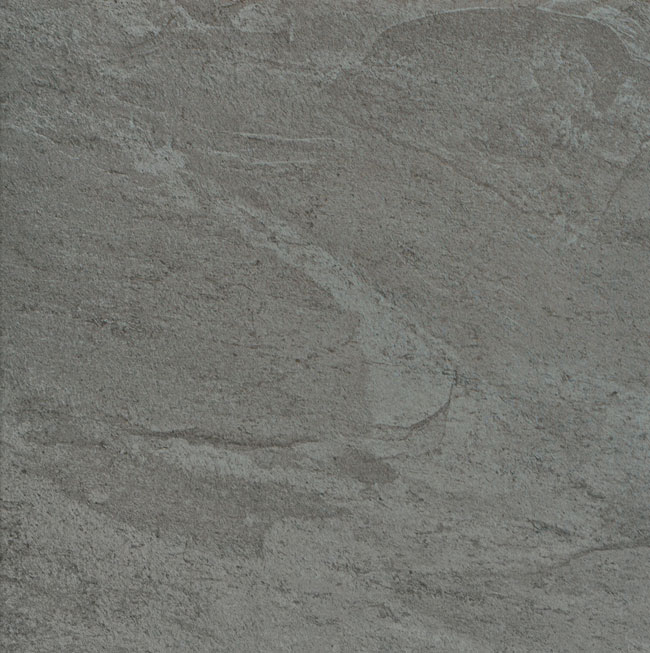
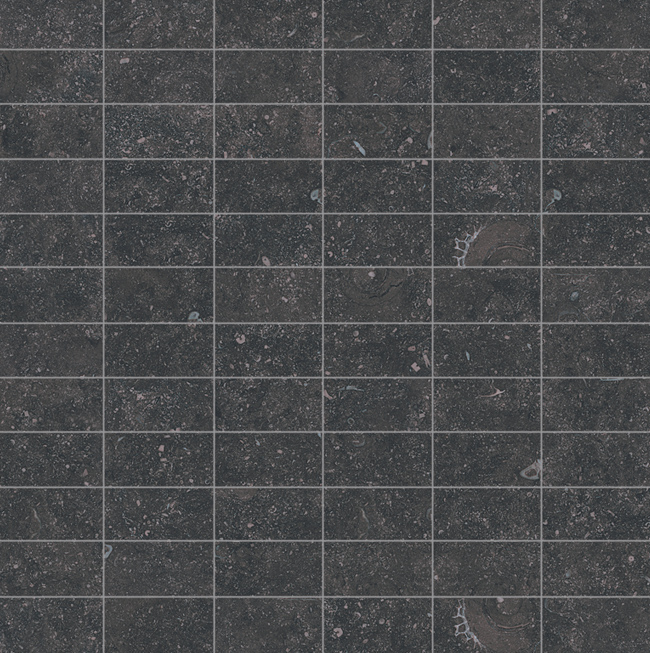
SLATE: WHAT ARE WE TALKING ABOUT?
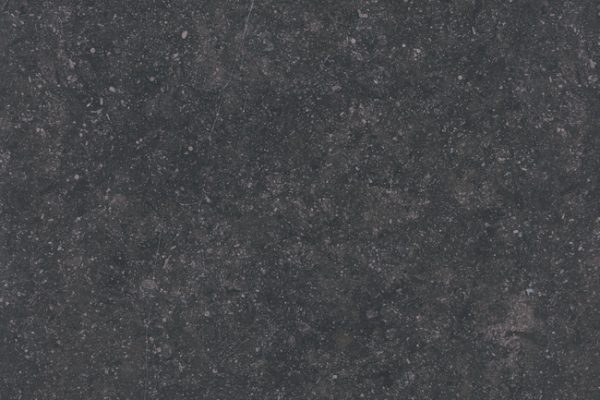
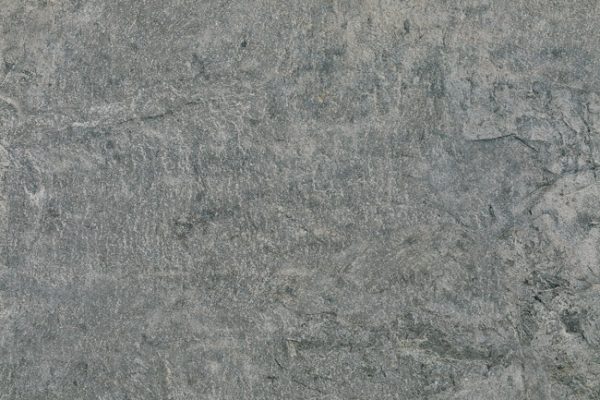
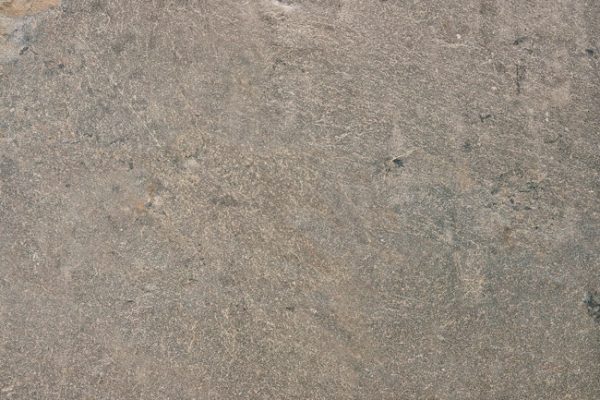
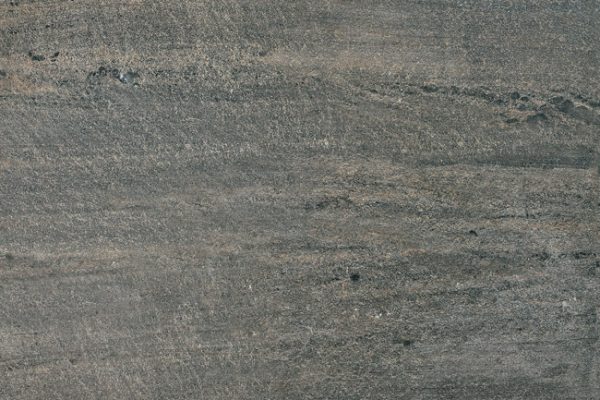
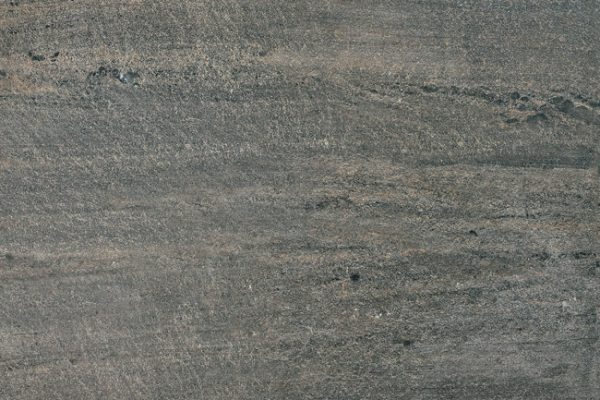
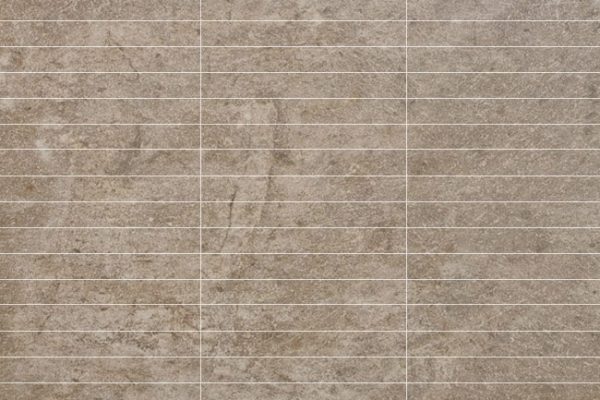
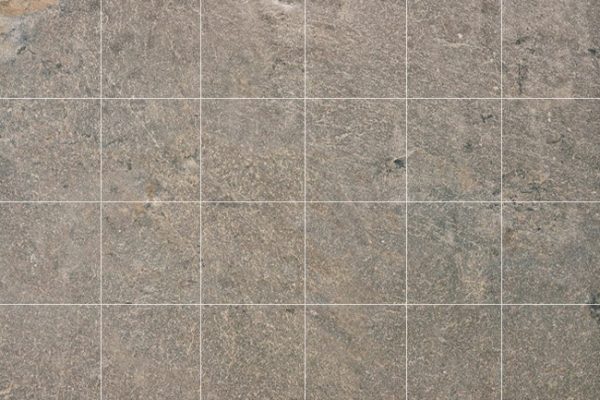
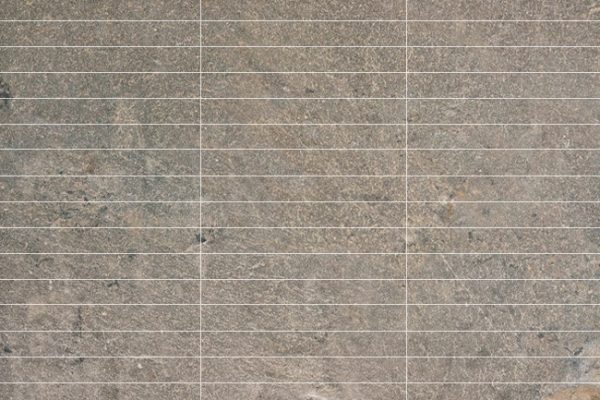
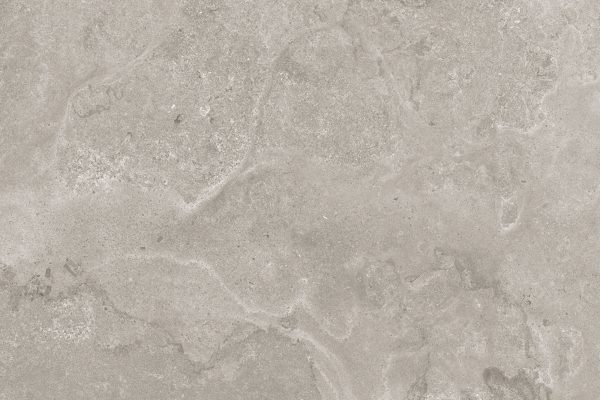
Slate is a natural sedimentary material. It is the result of geological pressure and high temperatures that have transformed clay sediments into shale. Its mineral composition includes graphite, mica, feldspar, chlorite, hematite and quartz. Pyrites crystals can even sometimes be found in it.
This natural rock breaks easily into sheets, which makes it easy to work with. In France, slate has been widely used to cover roofs. Certain regions such as the Pyrenees, the Ardennes and Brittany are particularly well known for this. Although slate has been produced in France for a long time, most of the slate deposits are now exhausted. Nevertheless, France remains a major consumer and imports most of this material from Spain.
How are slate tiles made?
Slate tiles have a simple manufacturing process in theory. Once extracted, this natural stone does not need to be treated. It is simply transported in large blocks to processing workshops. There, it is cut to produce different varieties.
WHAT ARE THE ADVANTAGES OF SLATE TILES?
Slate has a long list of qualities that speak for itself.
-
Strength: Like many other natural stones such as travertine and quartz, slate is extremely strong. When well crafted, it can remain intact for hundreds of years. Slate is waterproof, non-flammable and resistant to extreme temperatures. It can be slightly scratched, but this is completely normal. However, these scratches do not remain indefinitely; they disappear spontaneously after a certain amount of time. In other words, slate tiles are an excellent investment.
-
The great elegance of slate has made it a popular covering material worldwide. It creates a natural atmosphere in the rooms where it is used.
-
Thermal conductivity: Slate is known to be an excellent thermal conductor. It also retains heat very well, which is useful when installing underfloor heating.
-
Versatility: Slate can be adapted to all types of architecture and is easy to use in many different forms. As a result, it has a wide range of uses.
-
Anti-slip properties: In a bathroom, a fall can quickly become dangerous. The anti-slip properties of slate tiles significantly reduce the risk of slipping.
-
Eco-friendly: The production of slate tiles does not involve any greenhouse gas emissions. In addition, these tiles do not contain any chemicals that could be released into the interior. Slate is therefore a completely environmentally friendly material.
WHAT CRITERIA SHOULD BE CONSIDERED WHEN CHOOSING TILES FOR THE BATHROOM?
There are three main factors to consider when choosing your tiles.
-
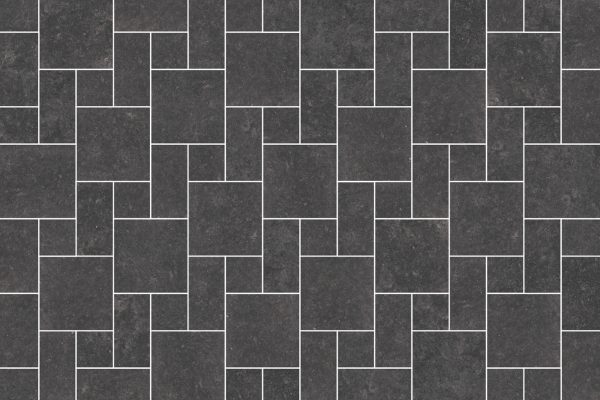
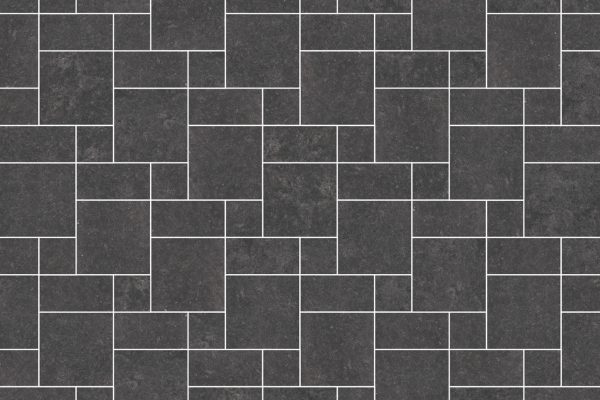
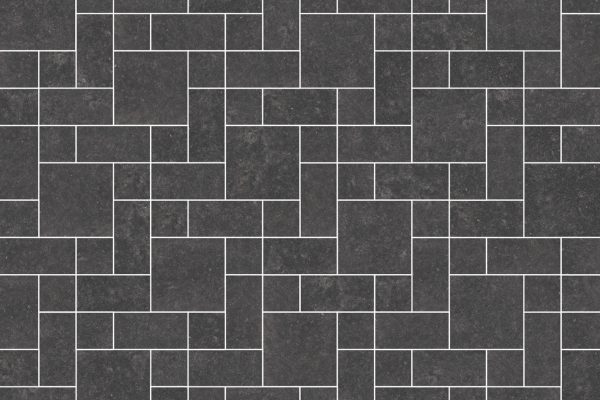
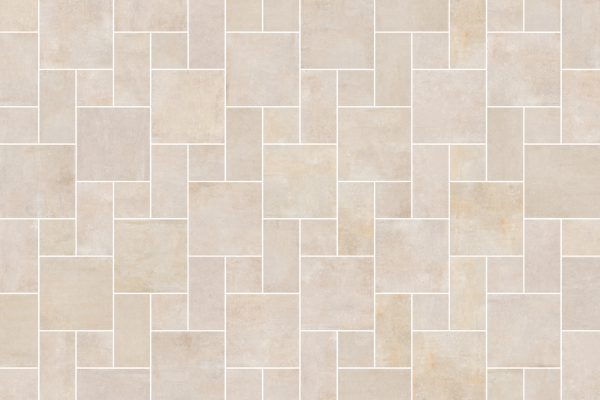
The format: Slate tiles come in square and rectangular shapes. Depending on the size of your bathroom and your tastes, one format may be more suitable than another. In terms of dimensions, you will find the classic 30X30 cm and the ever-popular 30X60 cm. The 60 x 60 cm format is also available for those looking for something larger. These traditional dimensions are ideal for bathrooms. However, if you prefer, larger formats are also available on the market.
-
Finish: There are three finishes available. The first, refined, gives the room a modern and clean look. The second is raw. Choose this if you want an industrial style. The last finish is smoothed. With a high gloss finish, it evokes luxury.
-
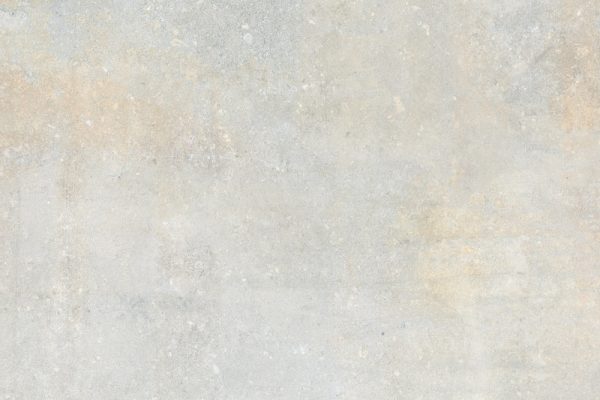
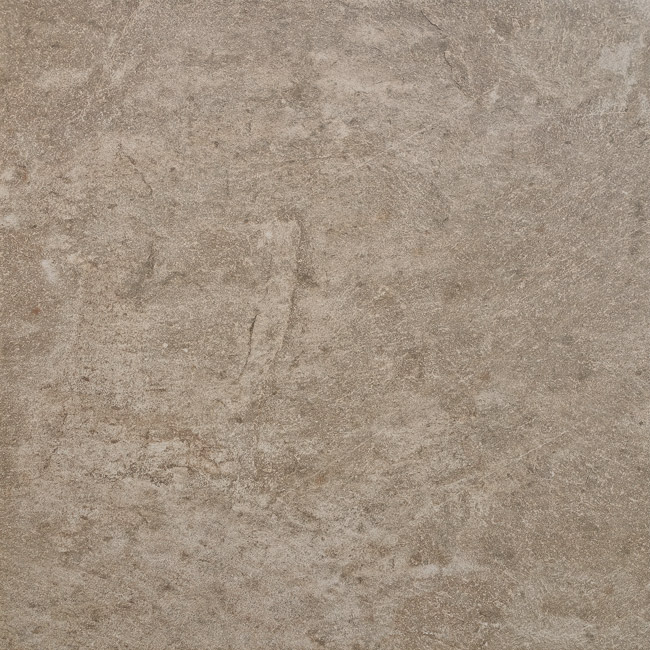
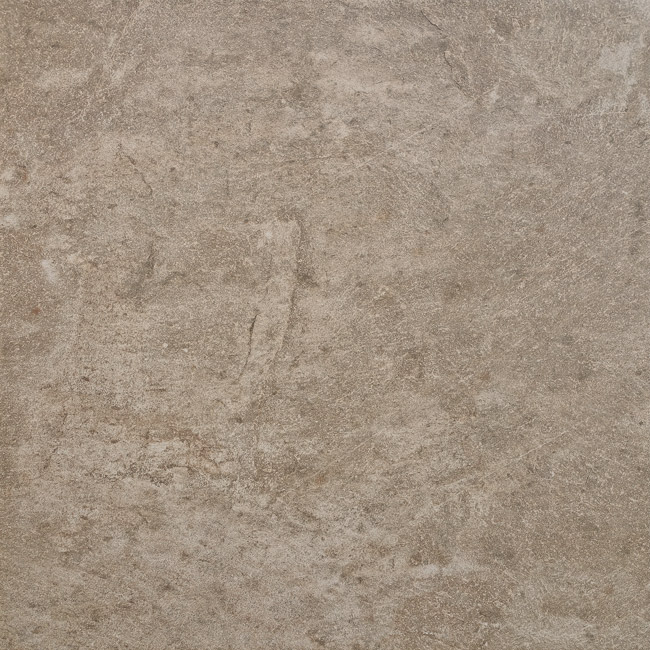
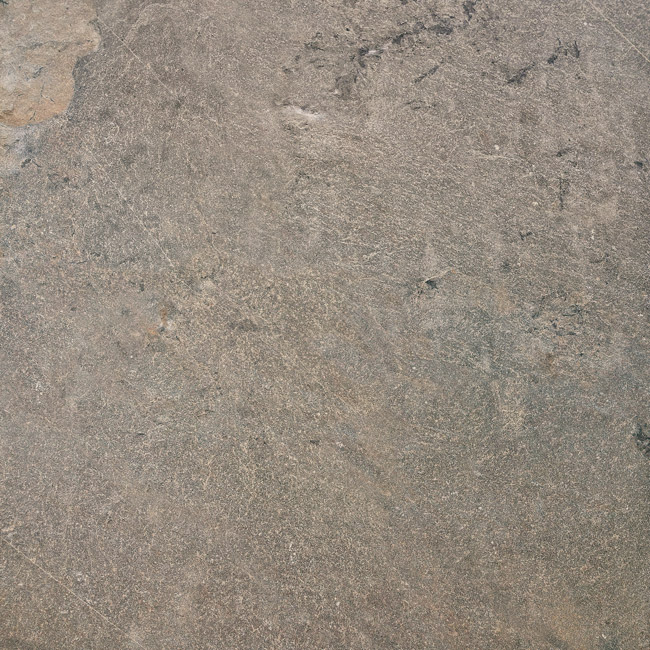
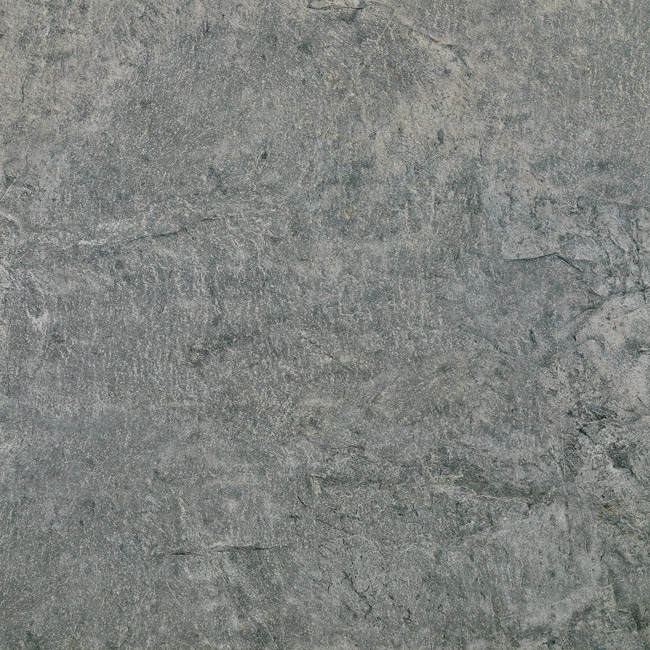
Colour: The most common colour for slate is grey. However, it can vary depending on the mineral composition. Colours such as pink, green, blue-grey, blue-black and purple-pink can also be found.
The format: Slate tiles come in square and rectangular shapes. Depending on the size of your bathroom and your tastes, one format may be more suitable than another. In terms of dimensions, you will find the classic 30X30 cm and the ever-popular 30X60 cm. The 60 x 60 cm format is also available for those looking for something larger. These traditional dimensions are ideal for bathrooms. However, if you prefer, larger formats are also available on the market.
Finish: There are three finishes available. The first, refined, gives the room a modern and clean look. The second is raw. Choose this if you want an industrial style. The last finish is smoothed. With a high gloss finish, it evokes luxury.
Colour: The most common colour for slate is grey. However, it can vary depending on the mineral composition. Colours such as pink, green, blue-grey, blue-black and purple-pink can also be found.
Note that grey is a safe bet that can be adapted to any style. If you find it too dull, the elegance of blue-grey and the dynamism of blue-black will suit you better.
HOW MUCH DOES A SQUARE METRE OF SLATE TILES COST?
This is an essential question to ask yourself when deciding how much to spend on bathroom tiles. First of all, bear in mind that prices for slate tiles are far from fixed. They vary depending on the size of the stone, its quality, colour and finish. In addition, the place of origin may also affect the purchase price. The average price is around £50 per square metre. The lower end of the range is around £25, while the upper end can be as high as £90.
IS THERE AN ALTERNATIVE TO SLATE TILES?
If natural slate does not suit your needs, but you like the look of it, synthetic slate is for you. It is made from cement, organic fibres, water and minerals. It is cheaper than natural slate and has a shorter lifespan (30 years). However, it is just as strong and waterproof as the real thing.
HOW TO MAINTAIN THE SLATE COATING IN YOUR BATHROOM?
When cleaning slate bathroom tiles, avoid using overly abrasive products. Like all natural stones, this material is very robust. However, this does not mean that it can withstand the most extreme treatments. Whenever possible, opt for natural solutions.
Slate tiles can be cleaned with a microfibre mop and a mixture of water and black soap. In this case, remember to rinse thoroughly. There is an alternative for deep cleaning: a mixture of baking soda and warm water. This will restore the slate’s shine and also requires a good rinse, or rather two. The first rinse should be done with warm water only. For the second rinse, add white vinegar to the water. This mixture is designed to remove limescale, which is often found in bathrooms. To get the most out of your investment, apply a water-repellent treatment to your slate tiles every three years to reinforce their impermeability. This solution also protects them from limescale.